
16.25.a - What France Keeps in the Cold
FRANCE AS IT MEANS—Inside the world's only perfume library, plus Sequana, Moulins, and a life rewritten in France... Are you ready?

Today at a Glance: Your PAID weekly newsletter
Bonjour, my dear friends and subscribers, both new and long-time.
Un grand merci (a big thank you) for being part of this wonderful global family of Francophiles. Your support enables me to continue growing and improving MyFrenchLife™ Magazine and the le Bulletin newsletter, offering more to you, this growing global community.
Here’s what you’ll find today:
This week “16.25.a - What France Keeps in the Cold
Feature: The Refrigerator in Versailles
This week’s ‘What’s happening in ‘MyFrenchLife™ Magazine’ - a selection of new contributors and fresh articles from across France.
You can also find the free newsletter ‘‘16.25- The France That Doesn’t Make the Brochure - here during the weekend.
Warm regards
Judy - 27.6.2026
1. The Refrigerator in Versailles
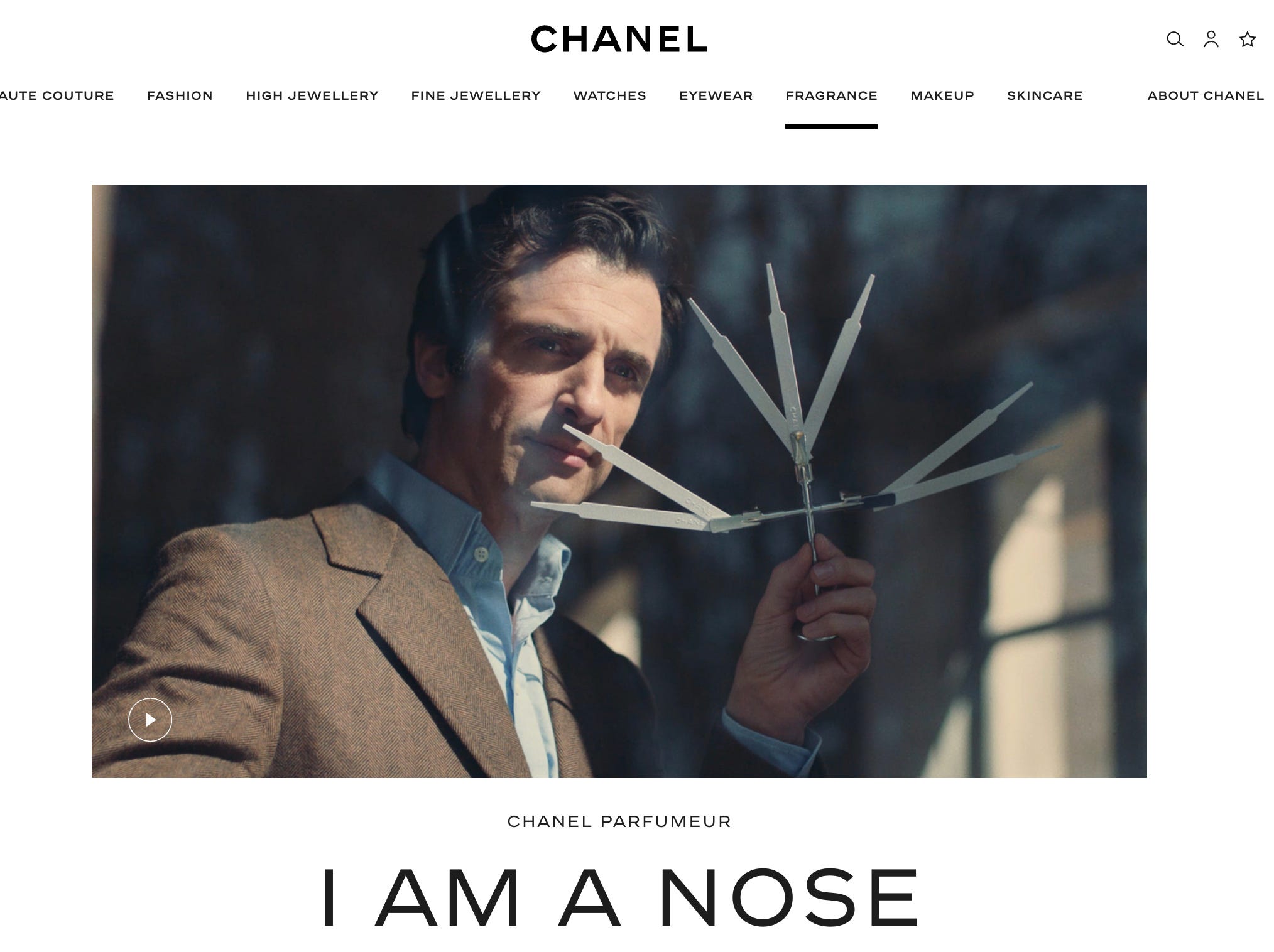
So there’s this refrigerator in Versailles. The temperature was held at exactly 12 degrees. And inside it, something that shouldn’t exist anymore: Chanel No 5 as it actually smelled in 1921.
Not the version in duty-free. Not even close. The real thing—Ernest Beaux’s original formula, reconstructed ingredient by ingredient, molecule by molecule. It sits there alongside nearly 6,000 other perfumes at a place called the Osmothèque, which is essentially a library for smells.
Last year, an original 1921 bottle of No. 5 sold for $72,000. The collectors weren’t buying it for what was inside—time had murdered those last drops. They wanted the object itself, the history. Because perfume doesn’t age like wine, mon ami. It just dies.
Which is precisely why the Osmothèque exists.
Un Musée Que l’On Peut Sentir
Picture yourself in central Versailles, not far from the château, holding a small strip of paper. You’ve just dabbed it with Napoleon’s personal cologne—the one he wore on Saint Helena during his final exile. Lemon, bergamot, neroli. Surprisingly fresh for a man in such dire circumstances.
The formula comes from notes left by his valet, Louis-Étienne Saint-Denis. The perfumers at the Osmothèque hunted down every ingredient to recreate it exactly as it would have been mixed in 1815.
Now try this one: Le Parfum Royale, reconstructed from a formula that Pliny the Elder recorded in the 1st century. Yes, that Pliny—the one who died watching Vesuvius erupt. You’re literally smelling ancient Rome.
This is what the Osmothèque does. It makes history breathable.
The archive opened in 1990, founded by legendary perfumers Jean Kerléo, Guy Robert, and Jean-Claude Ellena.[1] Last September, it moved into expanded premises to house a collection that keeps growing—around 1,000 “lost” perfumes reconstructed, fragrances everyone assumed had vanished forever.
Thomas Fontaine, the current president and perfumer, moves between these temperature-controlled refrigerators with the care of someone handling something irreplaceable. Which, of course, he is. These bottles aren’t meant to be sold or worn. They’re meant to be remembered. Studied. Understood as the œuvres d’art they are.
Except here’s the maddening thing: French law doesn’t recognise perfume as art.
The rest of this essay explores the strange legal paradox at the heart of French perfume:
Here I’ve explored how one of France’s greatest art forms became classified as cosmetics, what regulations were erased from historic fragrances, and why the Osmothèque may be fighting for the survival of perfume itself.
→ Consider upgrading to continue reading The Immortality Factory
OR
→ Read on if you’re already a paid subscriber.