
16.26.a — The Shelf That Talks Back
FRANCE AS IT MEANS—On the people France almost let disappear — and what sixteen years of dry gullies actually gets you

Today at a Glance: Your PAID weekly newsletter
Bonjour, my dear friends and subscribers, both new and long-time.
Un grand merci (a big thank you) for being part of this wonderful global family of Francophiles. Your support enables me to continue growing and improving MyFrenchLife™ Magazine and the le Bulletin newsletter, offering more to you, this growing global community.
Here’s what you’ll find today:
This week “16.26.a - The Shelf That Talks Back
Feature: The People France Almost Let Disappear
This week’s ‘What’s happening in ‘MyFrenchLife™ Magazine’ - a selection of new contributors and fresh articles from across France.
You can also find the free newsletter ‘‘16.26- - here during the weekend.
Warm regards
Judy - 4.7.2026
1. The People France Almost Let Disappear
“Honestly? Something catches my attention, almost always sideways,” I told Robert, a Mighty Supporter, who’d asked me how on earth I find all these French Culture stories. “A photograph in a weekend paper. A magazine left in a train or in the back of a plane seat pocket. A sentence in something I was reading for a completely different reason.” And then I go digging, hoping to find a juicy story, and most of the time, honestly, it’s a dry gully. Nothing there. You climb back out and get on with your day.
I didn’t tell him the rest of it properly at the time, so I’m telling you instead.
Every so often, the gully isn’t dry. There’s a whole life down there, fully formed, and I cannot stop until I’ve hauled the entire thing up into the light.
Sixteen years of doing this, and somehow, without ever sitting down and planning it, the collection has just grown. Room by room. Person by person. New bits appear that I didn’t design, and then I have to go back and work out where they actually belong, which, if I’m honest, is most of what I was doing this week.
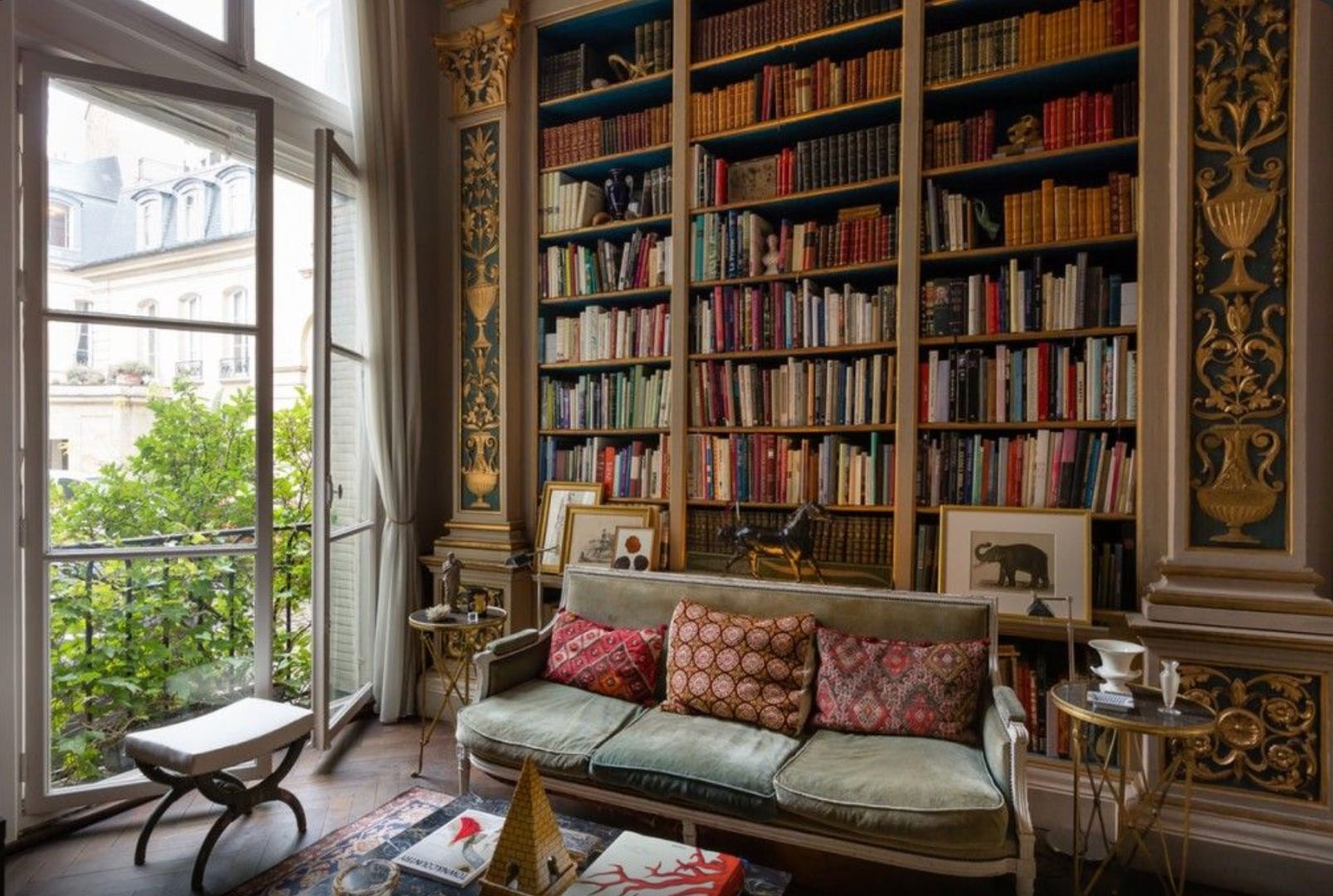
Sorting. Filing. The unglamorous bit nobody sees. Moving a misplaced essay here, writing a tidy little description there.
And then, completely out of nowhere, while doing absolutely none of the fun part, I noticed something.
This has happened before, actually, now that I think about it properly. Not often. But every so often, while I’m sorting rather than searching, a thread just appears between pieces I wrote months apart, sometimes years apart, with zero intention of them ever sitting next to each other. And this week it happened again, and I got that little fizz you get when something clicks that you weren’t even looking for.
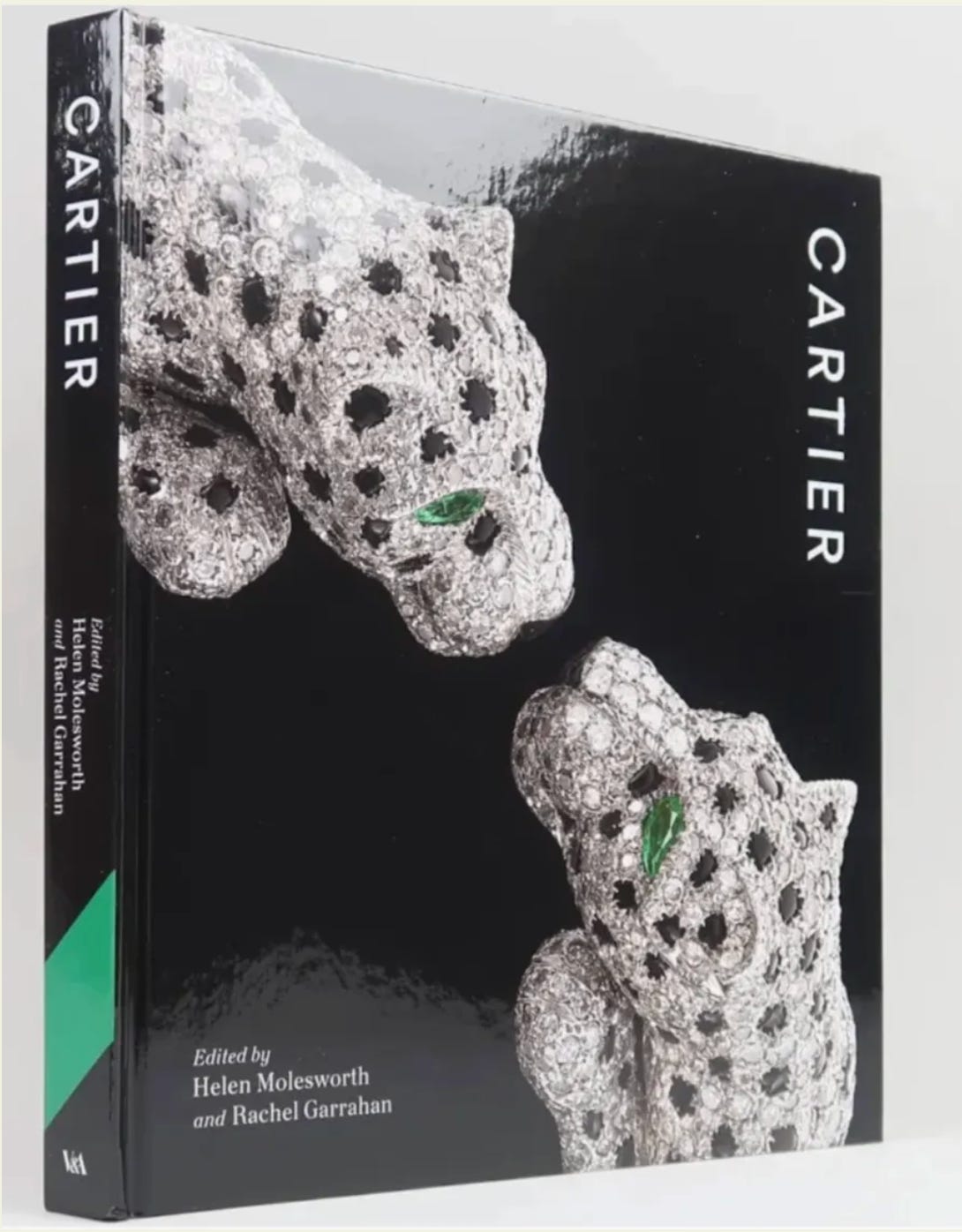
It started with a jeweller. Jeanne Toussaint, whom I’d written about only recently, so there she was already sitting right at the front of my mind. She ran the house of Cartier for fifty years. Never signed a single piece she made, not one, which still gets me every time I think about it. In 1940, Paris was occupied, the man she’d loved had gone into exile and was not coming back, and she put a brooch in the shop window on the rue de la Paix. A small bird, trapped behind golden bars, in the colours of France. The Germans noticed, obviously they noticed, and she talked her way out of it somehow. And then, four years later, the day Paris was liberated, she put a second brooch in that exact same window. Same bird. Cage door open this time. Singing.
I think about that window more than almost anything else I’ve written all year. Honestly. Fifty years shaping one of the great luxury houses on earth, and most people who’d happily buy into her taste today have never once heard her name.
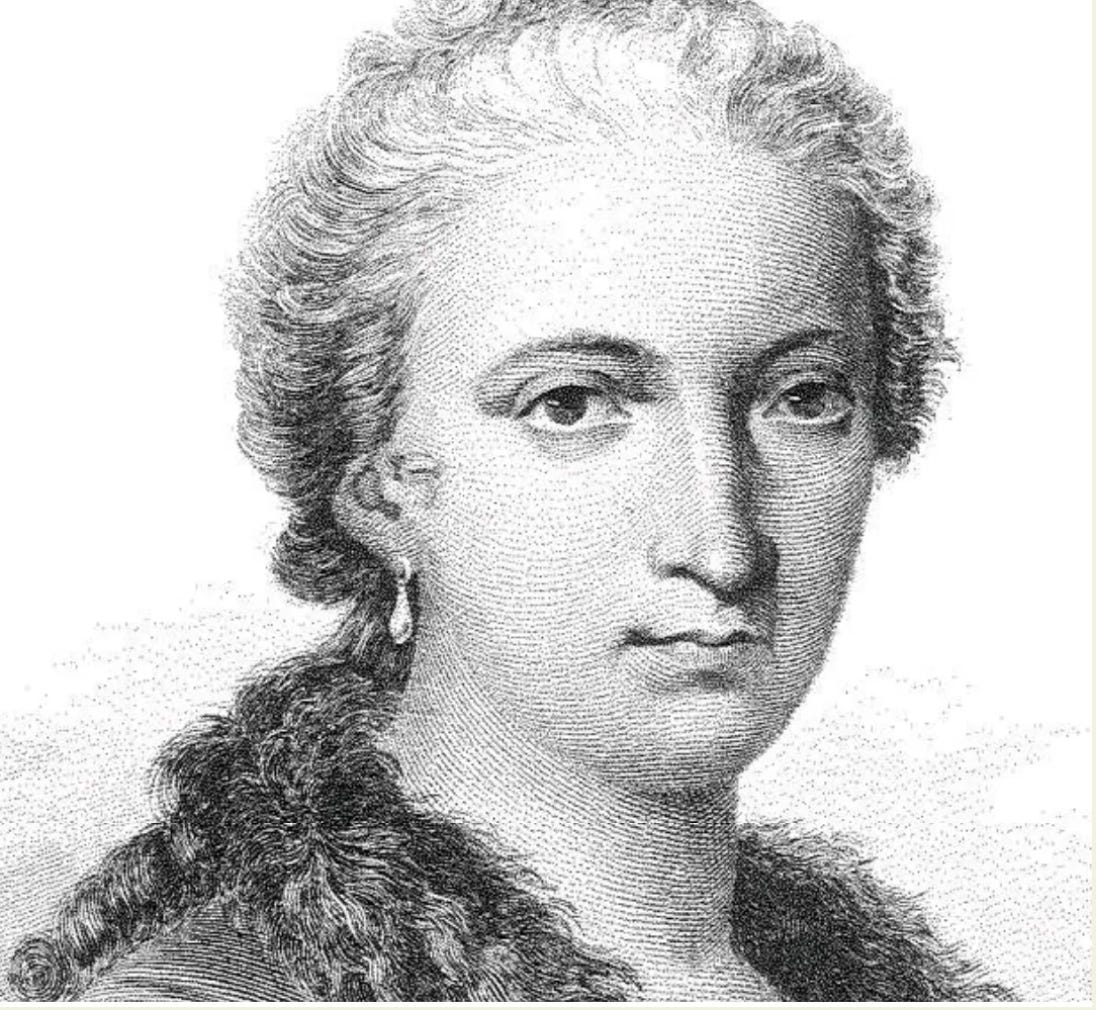
So there’s that one, sitting on the shelf. And right beside it, written ages before, completely unconnected at the time, is Sophie Germain.
She had to become a man on paper just to study mathematics. Wrote under a man’s name, Antoine Le Blanc, won a prize from the Academy of Sciences in 1816, work that decades later helped hold up a tower nobody thought could possibly stand. And when Gustave Eiffel put seventy-two names up in gold letters around the first floor, the scientists who’d actually made the thing possible, not one of them was a woman. Not one. She got a nickname instead. L’oubliée. The forgotten one.
It took a hundred and ninety-five years, it took to fix that. A hundred and ninety-five. I keep doing the maths over and over because I genuinely cannot make sense of it. Seventy-two women have finally joined the men this year.
And there it was. Two essays, written months apart, never meant to go anywhere near each other, just sitting there on the same shelf holding the exact same shape.
I’ll tell you where it went next, but properly, because honestly, the next one is the essay that made me sit completely still when I first wrote it, let alone rediscovered it this week, tidying shelves…
Upgrade to become an Annual Subscriber or Mighty Supporter →