
20 Streets of Paris #1: Rue de Rivoli – Napoleon's Grand Boulevard
NEW SERIES: First Episode—A journey of discovery through Parisian history, one street sign at a time - Let's go!

Welcome to the 20 Streets of Paris Series - Episode #1
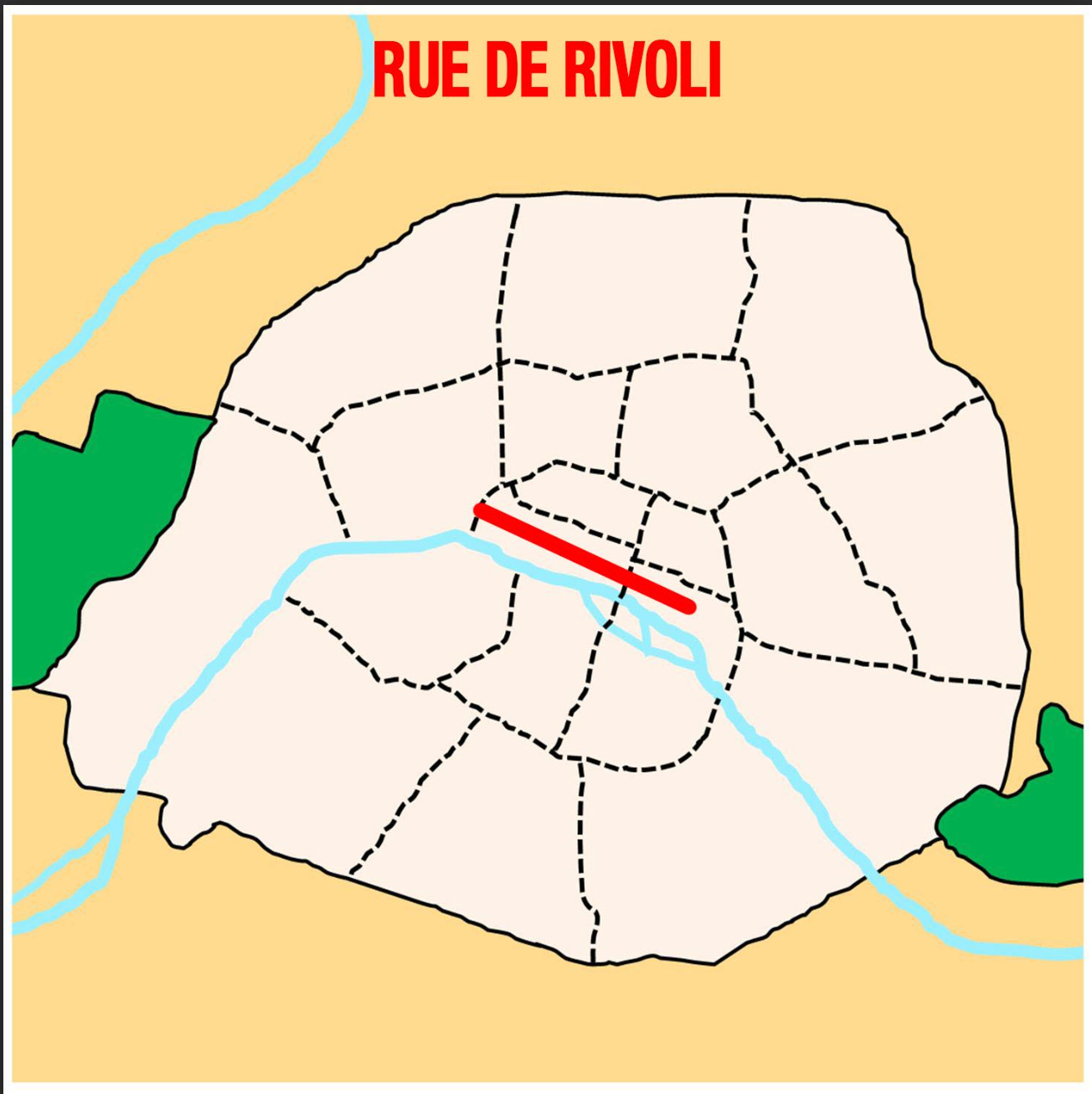
Think you know Rue de Rivoli? You know where to shop, which café has the best terrace, and how to navigate the arcades when it rains. But do you know why it's called what it's called? What Italian battlefield earned a place on this Parisian street sign? Why Napoleon himself dreamed this street into existence? Pierre Guernier does—and this month, he's revealing the layers of stories hidden beneath those elegant arcades. Fair warning: you'll never walk this street the same way again.
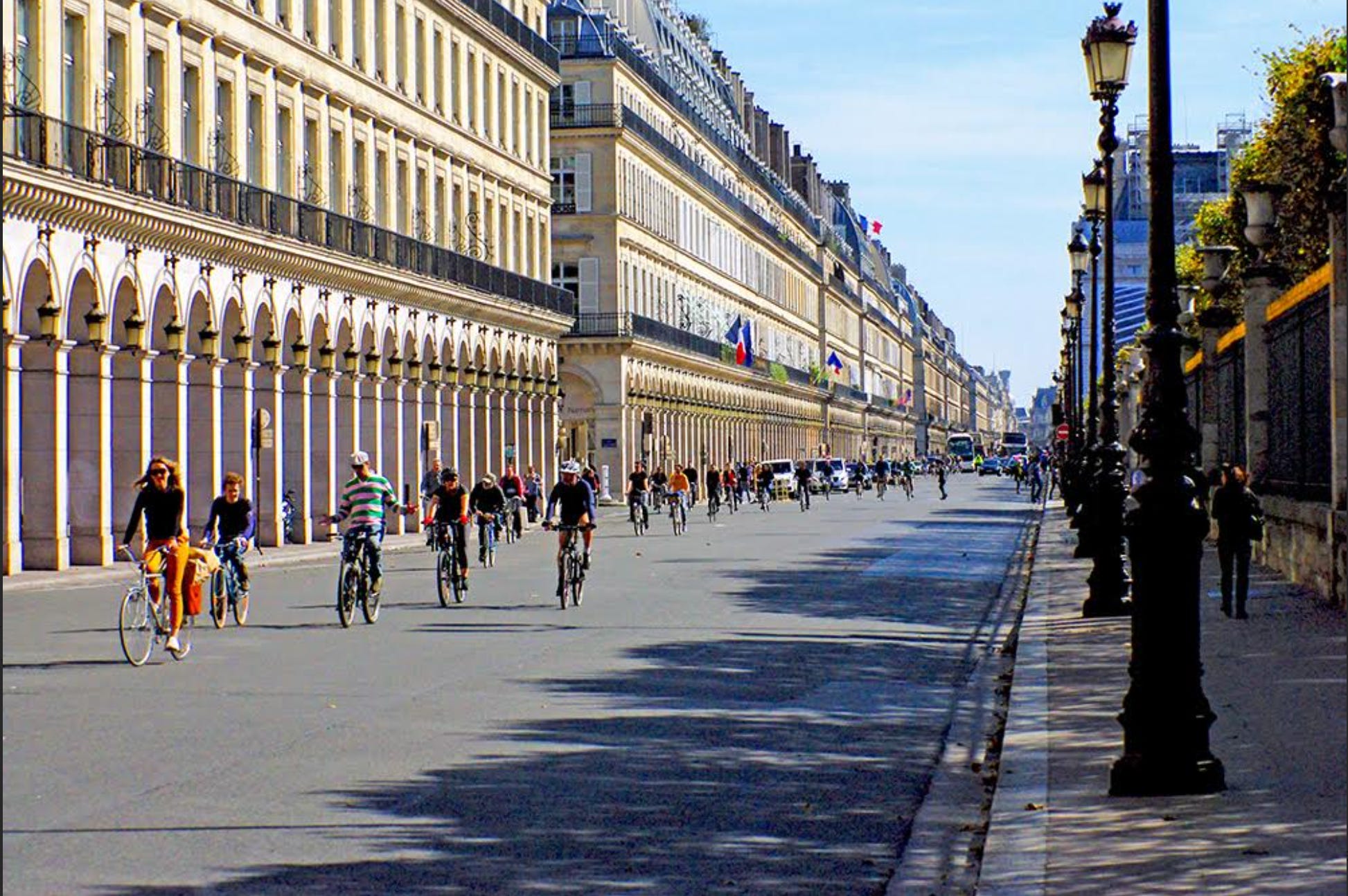
If you walk through Paris with your eyes fixed on the shopfronts, you might miss the quiet stories written above them. Look up for a moment—the blue enamel sign reads Rue de Rivoli, a name that carries the echo of cannon fire and the ambition of an empire. Beneath its graceful arcades, history and elegance march side by side, as they have since Napoleon dreamed of reshaping the city in his image.
Few streets in Paris capture such grandeur as Rue de Rivoli, a sweeping artery nearly three kilometres long. Its very name is a reminder of Napoleon Bonaparte’s victory at Rivoli in 1797, a triumph that echoed across Europe. Planned by Napoleon himself and completed during the Second Empire, the street was meant to embody order, power, and elegance.
Walking beneath its arcades, you feel both sheltered and drawn forward, past rows of chic boutiques and timeless cafés. On one side lie the Louvre and the Tuileries Gardens, guardians of centuries of art and history; on the other, a river of Parisians and visitors flows steadily along the pavements. At its western end, the Place de la Concorde opens like a stage set, while to the east the street blends into the medieval Marais.
Rue de Rivoli is more than a road.
It is a Napoleonic dream etched in stone, a triumphal passage that still carries the heartbeat of Paris: commerce, culture, and the ceaseless rhythm of the capital itself.
Pierre
How well do you know Rue de Rivoli? Do you think about it differently now?
Introducing Contributor, Pierre Guernier:
Visit his Contributor Page — Explore more of Pierre’s work
Thanks for reading MyFrenchLife™ – MaVieFrançaise®! This post is public, so feel free to share it.
Enjoyed the history behind the name of this very familiar street.
I know the street well but learned about its Napoleonic origins here from Pierre!