

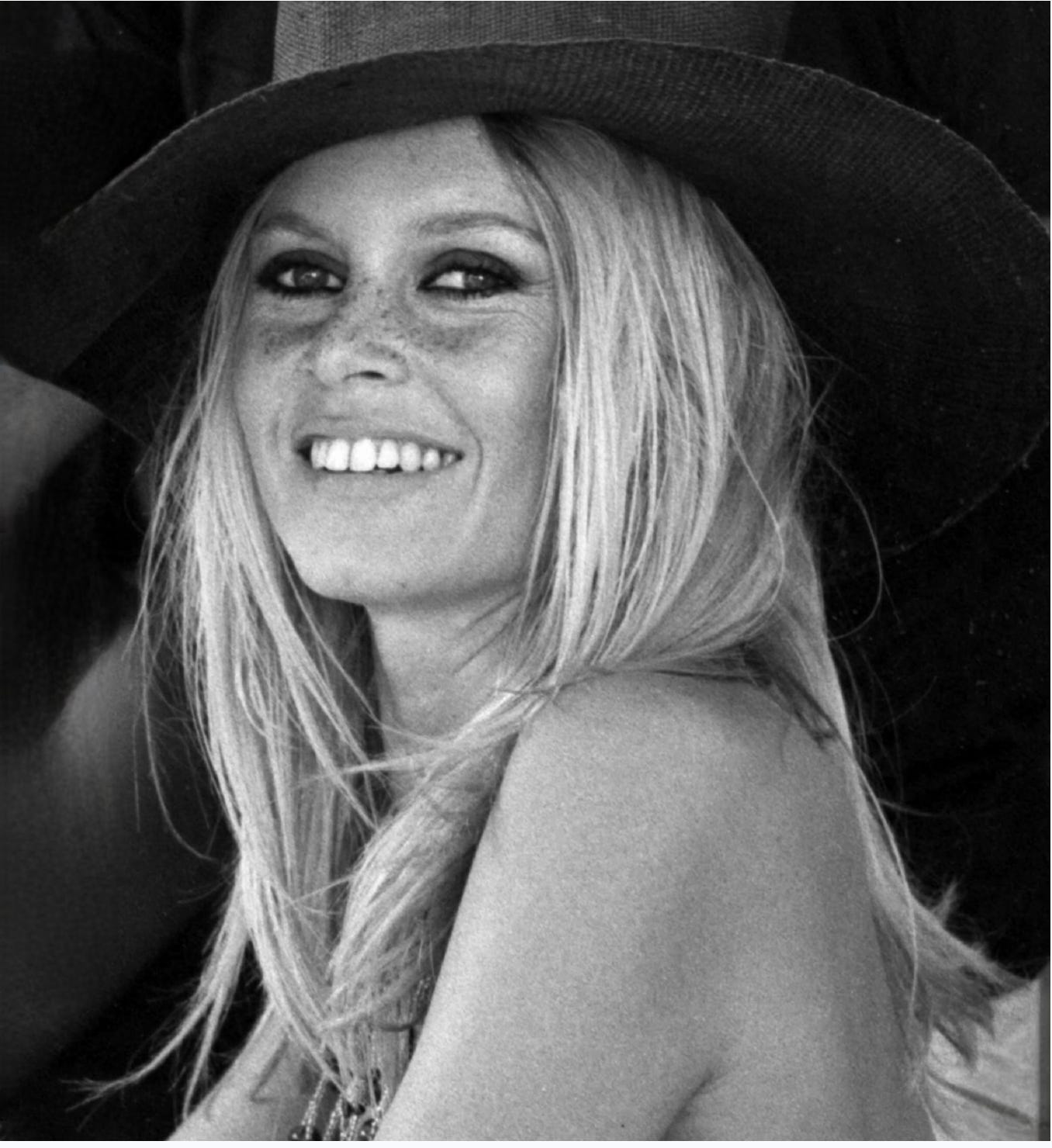
She’s gone. Brigitte Bardot died on December 28, 2025, at 91, and if you’re wondering why half of France seems to be in genuine mourning while the other half is deeply conflicted, let me tell you something—this isn’t just about losing a movie star.
This is about losing the most complicated icon France ever chose to represent itself. The woman whose face appeared on stamps, coins, and statues as Marianne, the literal symbol of the French Republic. The woman who walked away from fame at her peak to fight for voiceless animals. The woman who was convicted multiple times for hate speech. All the same person. All true at once.
That’s the Bardot story. Not the films or the sex symbol thing, though those mattered enormously. It’s the story of what happens when someone refuses to be just one thing, when they contain genuine compassion and troubling prejudice, when they represent liberation and restriction, all at the same time.
It’s messy. She was messy. And France’s relationship with her has always been messy, too.
The Girl Who Saved French Cinema (And Maybe France)
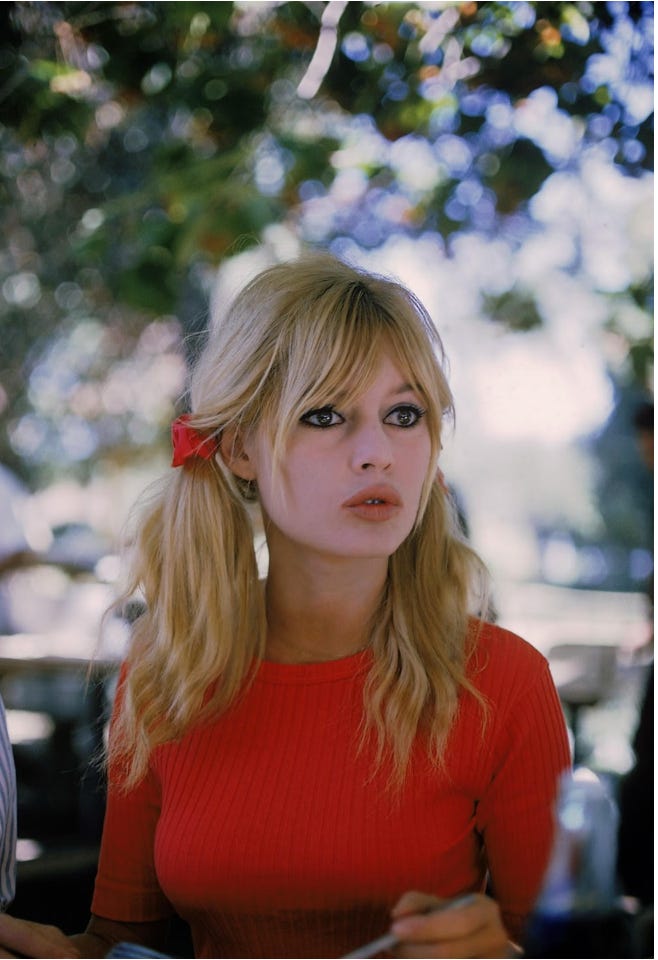
Post-war France in the 1950s was having an identity crisis. The country that invented cinema, fashion, and cultural superiority was watching America dominate the world. Everything felt tired, conservative, buttoned-up. French cinema was dying under the weight of its own seriousness.
Then this gorgeous 22-year-old bourgeoise from Paris decided to dance barefoot in “Et Dieu... créa la femme“ in 1956, and the entire country snapped to attention.
She wasn’t acting sexy. She wasn’t performing rebellion. She just was—unselfconscious, unapologetic, completely indifferent to what anyone thought. That messy blonde hair falling around her face, the pout that somehow managed to be both innocent and knowing, the way she moved like her body was hers alone and everyone else was just lucky to be watching.
It scandalised parents. Priests condemned it. The film was banned in several countries.
And French cinema was suddenly relevant again. Suddenly dangerous. Suddenly, the thing everyone in the world wanted to see.
Bardot made France feel young, sexy, and revolutionary. She lived on her own terms in a way that felt radical for the 1950s, even if we can now see it was more complicated than pure liberation. But in that moment, France saw its future self reflected and fell completely in love.
1969: The Year France Made It Official
Here’s the thing most people don’t know: in 1969, France looked at Brigitte Bardot and said, “That’s us. That’s who we are.”
They made her face the model for Marianne—the woman who represents the French Republic on stamps, coins, and busts in every town hall across the country. Not a politician. Not nobility. Not some idealised classical beauty. They chose her. The barefoot dancer. The scandal. The sex symbol who’d shocked a generation.
She was the first celebrity to get this honour, and it tells you everything about what France wanted to believe about itself. That it was brave. Free. Unafraid of its own sensuality. That living authentically—whatever that meant—was the most French thing there was.
For nearly thirty years, her face sat in those town halls, representing the nation.
The Look That Never Died
Let’s talk about why you can still find “Bardot hair tutorials” everywhere, fifty years after she stopped making films.
That deliberately messy bouffant with the heavy fringe wasn’t an accident. The thick black winged eyeliner extending way past the outer corners, creating those enormous doe eyes. The nude or pale pink lips that made your entire face about the eyes. Sun-kissed skin, even when being pale, was still considered elegant. It was studied carelessness—the hardest thing to pull off.
The fashion was the same genius. Breton stripes, gingham checks, peasant blouses sliding off one shoulder. She’d pair couture with countryside pieces and make it look like she’d grabbed whatever was closest. Ballet flats or bare feet instead of heels. That whole Riviera style—luxurious but never trying too hard.
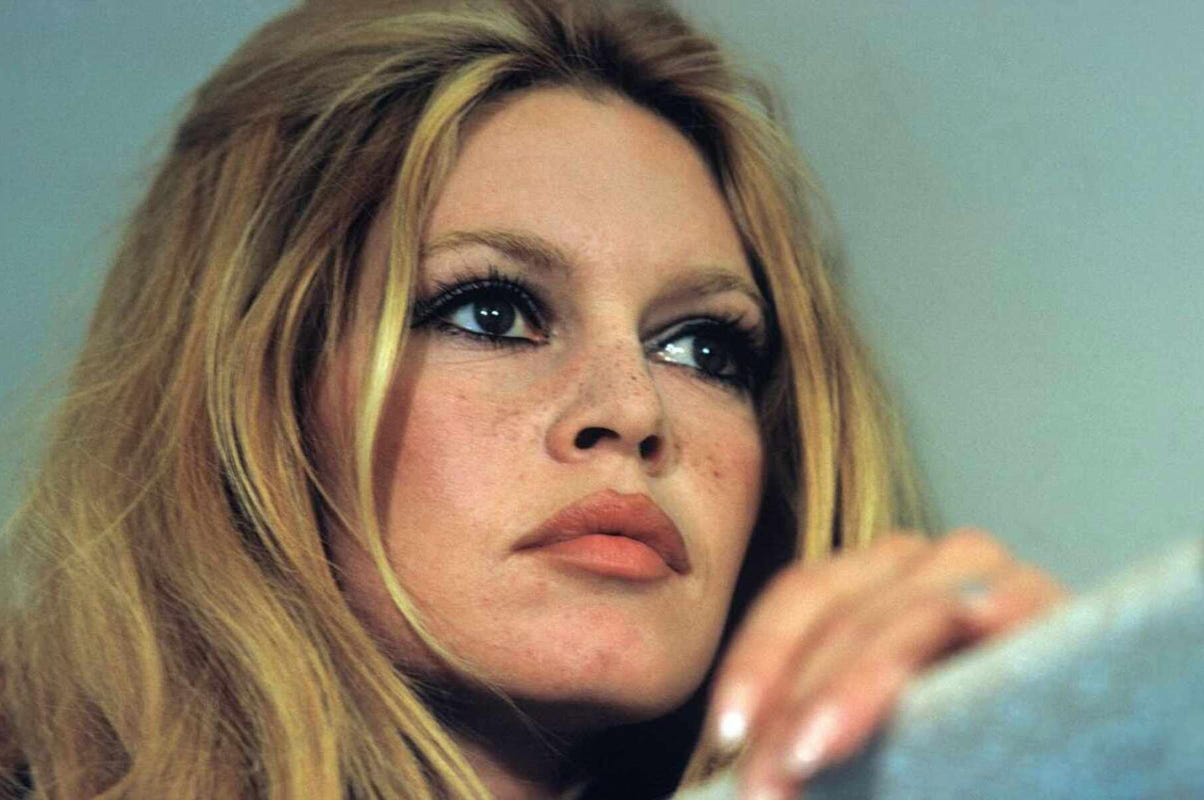
That Kewpie doll quality—the baby-faced pout, the wide eyes, the ribbons in her hair—she played with this edge between innocent and seductive that fascinated everyone. It was a very specific flavour of femininity that belonged to that moment, but we’re still copying it.
What made it all work wasn’t the hair or the makeup. It was the attitude. That “je m’en fous” shrug that said she genuinely couldn’t care less what you thought, which made everyone desperate to know everything about her.
The Walk-Away That Changed Everything
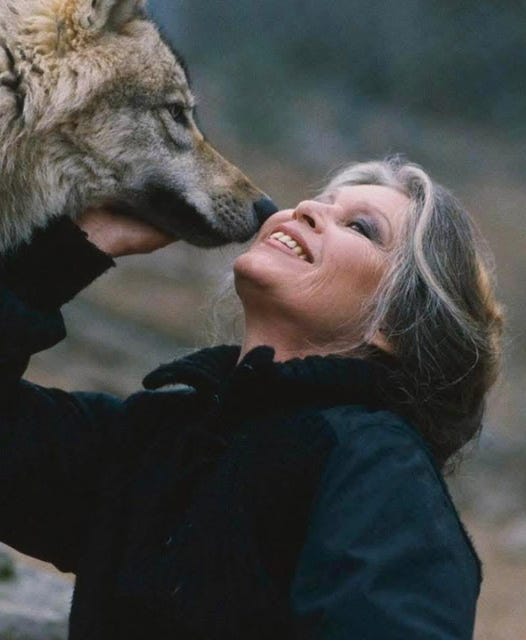
In 1973, at 39, at the absolute peak of her fame and beauty and box office power, Bardot looked at her life and said “non.”
Just like that. No farewell tour. No gradual fade into character roles. She walked away from the cinema completely and devoted herself to animal rights. Founded her organisation. Became as fierce about protecting animals as she’d once been about protecting her own freedom.
This is where the story gets genuinely interesting, because this wasn’t a publicity stunt or a phase. She meant it. She turned celebrity into leverage, noise into action. Her foundation has genuinely changed animal welfare laws in France. She saved animals. Thousands of them.
That takes real conviction. Real courage, even. Walking away from everything everyone says you should want, from the thing that made you globally famous, because you believe in something more important? That’s extraordinary.
She bought her house La Madrague in Saint-Tropez—that fishing village she’d already transformed into one of the world’s most famous destinations just by being there—and lived there for the rest of her life. Fed stray cats. Fought for seals, whales and circus animals. Got older without apology in a world obsessed with youth.
She never chased Hollywood. Never cared what anyone outside France thought. Stayed rooted in her language, her landscape, her truth.
Macron said she “embodied a life of freedom,” and he’s right. But it’s more specific than that. She embodied French freedom—the kind that’s intellectual, defiant, sometimes uncomfortable, always uncompromising.
Which brings us to the hardest part.
The Contradictions We Can’t Ignore
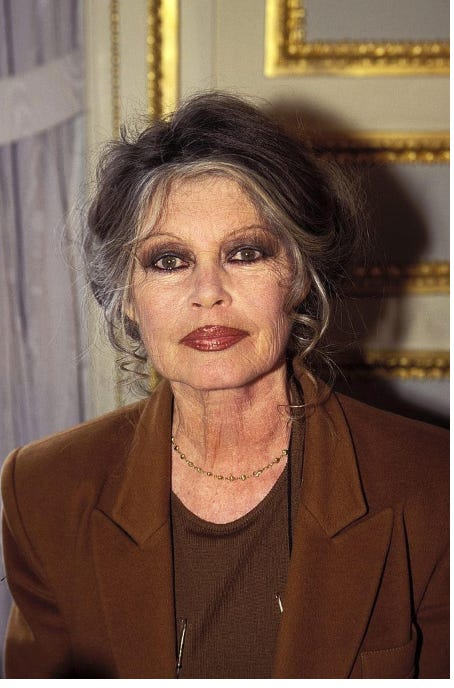
Here’s where it gets complicated, and we need to be honest about it without pretending it’s simple.
Bardot’s fierce protectiveness, that same quality that made her save animals, narrowed as she got older. Her later years were marked by controversial statements about immigration and French identity that culminated in multiple legal convictions for inciting racial hatred. In 2022, she was fined €40,000 for comments about people from Réunion. It was the sixth time French courts had sanctioned her.
She openly supported Marine Le Pen and the National Front. She dismissed other women’s claims of sexual harassment and the # MeToo movement in the film industry. These weren’t just opinions people disagreed with; French courts ruled some of her statements crossed into hate speech.
In 1997, some towns removed their Bardot Marianne busts. The face chosen to represent the Republic was taken down from town halls. That image—it tells you everything about how painful this relationship became.
But here’s what’s complicated: the same woman who said those things also devoted fifty years of her life to protecting animals that had no voice. She used her fame and her money and her relentless will to change laws, save lives, and fight battles most celebrities wouldn’t touch. That compassion was real. The dedication was real.
How do you hold both truths at once? How do you understand someone who could be so fiercely protective of some lives while being so hostile toward others? Who embodied freedom and fought for it passionately, but then wanted to restrict who deserved that freedom?
I don’t know that we’re meant to solve it. Maybe we’re just meant to sit with how uncomfortable it is.
What France Is Really Mourning
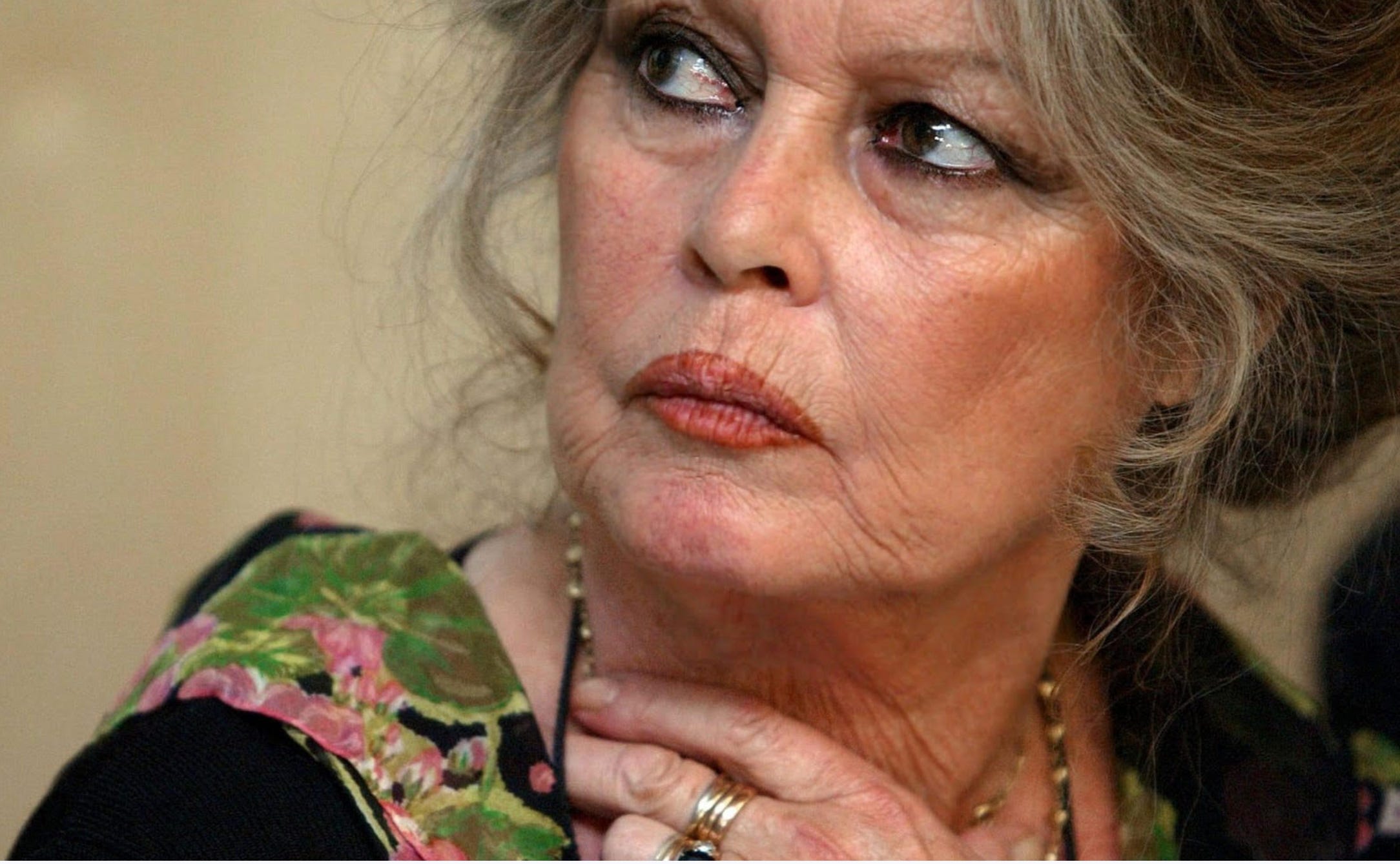
When someone like Bardot dies, different people are mourning different versions of her. And that’s okay. That might even be the point.
Some are mourning the young icon who made France feel alive again in the 1950s. The barefoot dancer, the face that launched the New Wave, the woman who represented a particular kind of freedom at a particular moment. That version of her existed. That impact was real.
Some are mourning the animal rights activist who walked away from everything to fight for creatures that couldn’t fight for themselves. Who spent half a century actually doing the work, not just talking about it. That version existed too.
Some aren’t mourning at all. They’re relieved, or angry, or just exhausted by the contradictions. They can’t separate the icon from the harm, and they shouldn’t have to.
And many French people are sitting with all of it at once—the gratitude for what she meant to French culture, the genuine respect for her animal welfare work, the deep discomfort with her later positions, the sadness that someone who represented liberation became a supporter of the far-right. That’s probably the most honest response.
One writer said experiencing life as a sex symbol in a deeply sexist time “would have to have cooked her soul to some extent.” Another pointed out she “embodied a kind of freedom that felt daring in the 1950s and still feels uncompromising today. Muse, icon, sometimes misunderstood—always impossible to ignore.”
Both things can be true. The damage and the daring. The liberation and the limitations. The compassion and the cruelty.
What We Learn From Complicated Icons
Here’s what makes the Bardot story important: we keep wanting our icons to be simple. To mean one thing, represent one thing, stay one thing forever. But people don’t work that way. People are contradictory. They contain capacities for both extraordinary kindness and real harm. They change in ways that disappoint us. They hold beliefs that don’t make logical sense sitting next to each other.
Bardot saved animals and supported Marine Le Pen. She walked away from fame and used her platform to spread views many found hateful. She represented liberation and fought to restrict it. She was convicted of hate speech and devoted her life to compassion.
All true. All the same person.
Maybe what France is really mourning—or reckoning with—is the loss of the last icon from an era when we could still pretend our heroes were simple. When we could put someone’s face on stamps and coins and believe they’d stay frozen in that perfect moment forever.
Bardot refused to stay frozen. For better and worse, she kept living, kept changing, kept being fully and messily human right until the end.
The Images That Remain
The tousled hair, the eyeliner, the gingham, the pout. Those images will outlast everything else. They’re frozen now, forever young, forever that moment when she made France feel free.
The animal sanctuary work will remain too—the laws changed, the lives saved, the fifty years of relentless advocacy.
The convictions will remain. The statue removals. The uncomfortable truths about what she became and what she said.
All of it remains. That’s what makes her legacy so French, actually—refusing to be neat, insisting on being complicated, containing multitudes even when those multitudes don’t comfortably coexist.
France chose Bardot to represent itself, and maybe she did represent it better than anyone realised. Not the idealised version of France, but the real one—beautiful and difficult, progressive and contradictory, capable of both extraordinary compassion and troubling prejudice, always insisting on its own authenticity even when that authenticity is hard to love.
Au revoir, BB. Thank you for teaching us that icons are human, which means they’re capable of inspiring us and disappointing us, sometimes in the same breath. Thank you for the liberation you represented, even as we wrestle with what that liberation meant and who it included. Thank you for the animals you saved. And thank you for reminding us that the truth is always more complicated than the myth.
A bientot
Judy
Introducing Contributor, Judy MacMahon:
Visit her Contributor Page — Explore more of Judy’s work
MyFrenchLife™ – MaVieFrançaise® is a reader-supported publication. To receive new posts and support my work, consider becoming a free or paid subscriber.
All images Public Domain - supplied by Nigelle de Visme.
Further Reading:
Fondation Brigitte Bardot - Her animal rights foundation
Saint-Tropez and Brigitte Bardot - Official Saint-Tropez tourism guide
Et Dieu... créa la femme - INA Archives - French national archives on the iconic film
Brigitte Bardot: Musical Charm in 6 Songs - Pierre Guernier’s reflection on her cultural impact
Respected BB as an actress; loved her as a passionate advocate and rescuer of vulnerable animals but strongly condemn her racism in later years.
Loved this and you explained so well everything that encompassed BB. Love her or hate her she will always be an icon in France. 🇫🇷