

Cheese, wine, joie de vivre – and books. There’s a lot to love about France, and one of my favourite aspects is the presence of reading in everyday life. For centuries, literature has been a core part of French culture, and you can still see people reading everywhere: in parks, cafés, on terraces, and on the metro — sometimes even while walking.
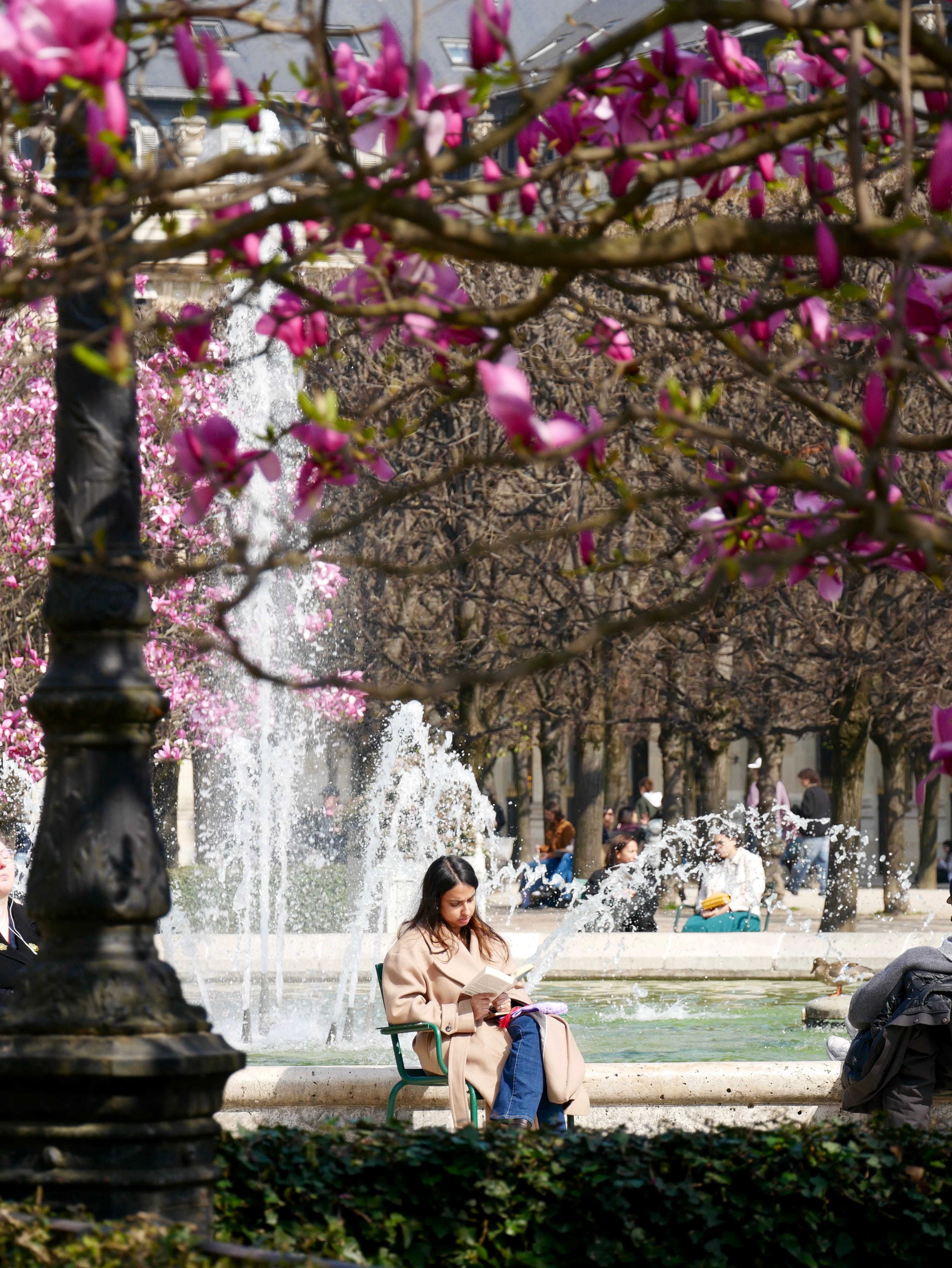
They are rarely reading on tablets or phones. The physical book continues to dominate. According to figures from the French publishing sector, 420 million books are sold each year.
Even though the average number of books read per person has declined — from 22 in 2023 to 18 in 2025 — reading remains a visible, shared habit. In the latest national survey, 45 per cent of respondents report reading daily, while 63 per cent say they have read at least five books in the past year.
Numbers alone do not explain this visibility. Each year, roughly 75,000 new titles are released, but scale matters less than circulation — how books move through the country and remain accessible in daily life.


Paris alone counts around 400 bookshops, the majority of them independent. Across France, there are more than 3,000 independent bookshops, giving the country one of the highest per-capita densities worldwide. Nearly half of all books sold in France are bought through one of them – in physical stores or at librariesindependantes.com, a shared online platform offering 20 million titles from 1,200 local stores.
This ecosystem didn’t emerge by accident. For decades, French authorities have protected independent bookshops — financially and structurally. Since 1981, the Loi Lang has ensured fixed prices on new books, meaning a novel costs the same whether you buy it from a small neighbourhood shop or a large chain. Publishers set the price, which is printed on the back of the book. Books also benefit from a reduced VAT rate of 5.5 per cent, another quiet but clear signal of their cultural value.
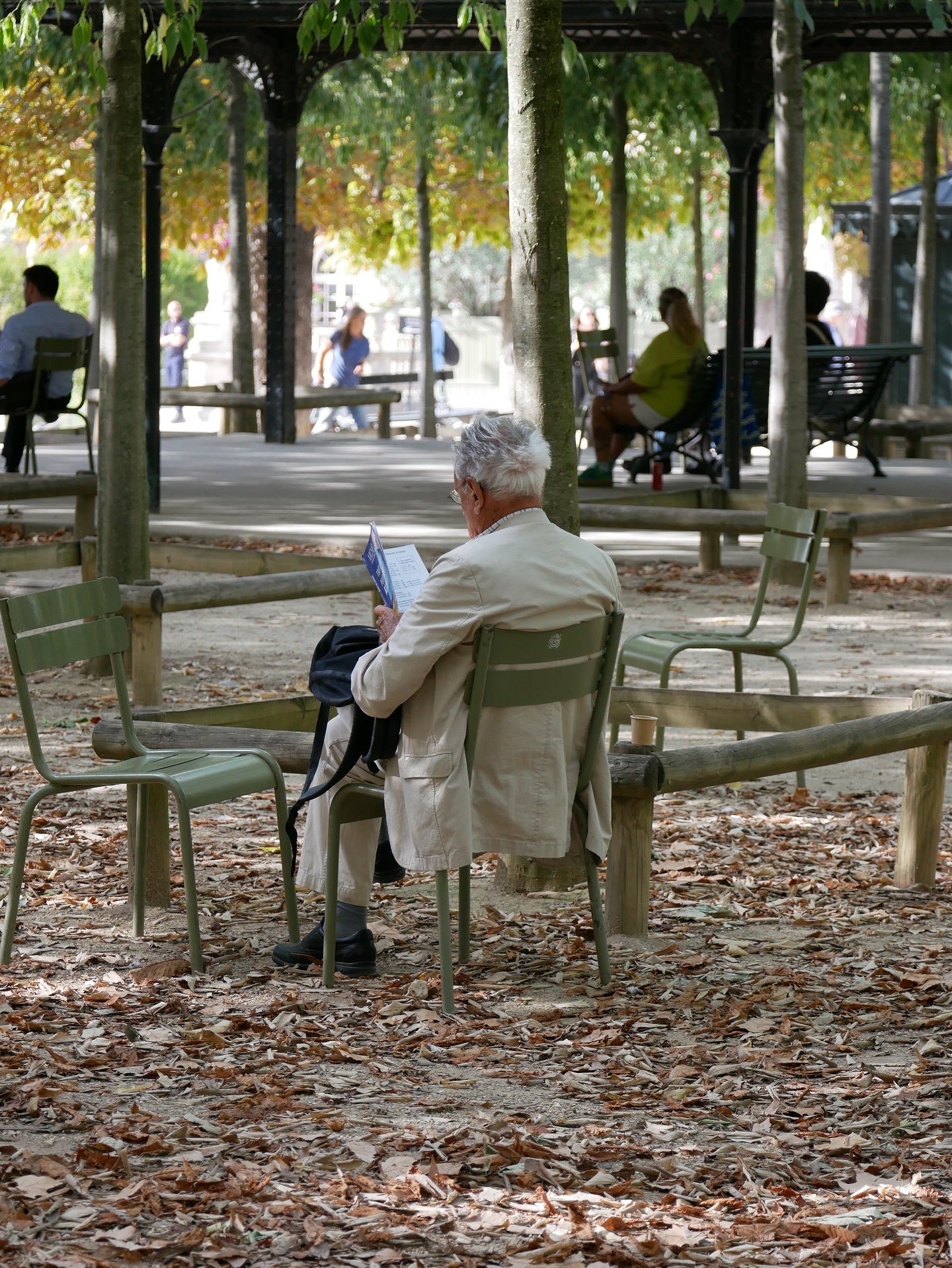
In France, reading is a matter of tradition and shared reference. It is not treated as niche or nostalgic, nor confined to private space. It belongs in public. Reading is understood as natural, worthwhile, and intellectually grounding — a legitimate way to inhabit time.
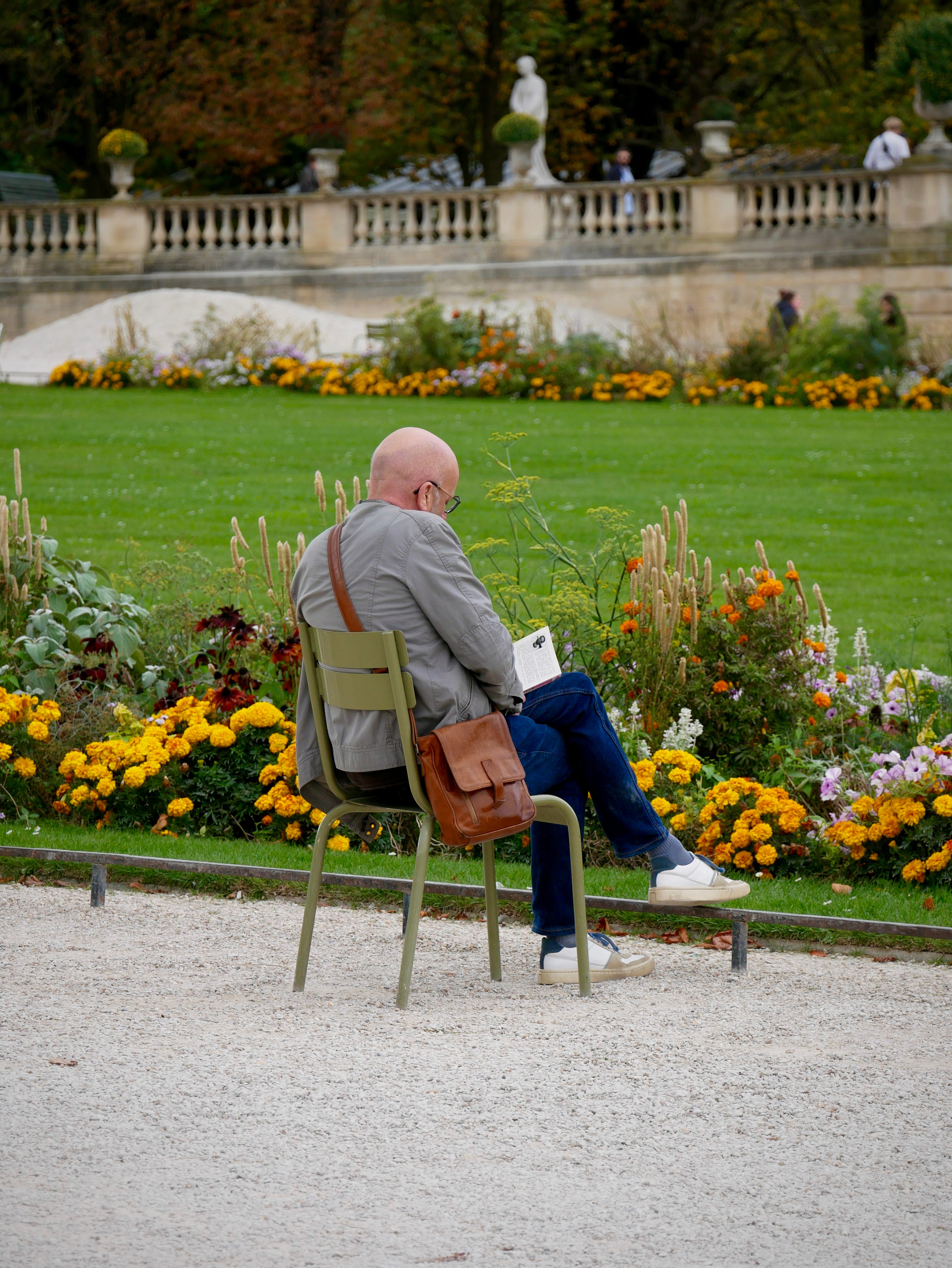
For me, it’s also at the heart of what makes Paris feel like Paris. A city where it’s normal to sit alone with a book, where it’s a cherished ritual to prioritize attention and calm. I hope this remains true for a long time to come — and that reading continues to have a visible place here, as a way of being.
Introducing Contributor, Marie Gundersen:
Visit her Contributor Page — Explore more of Marie’s work
Whenever I go to Paris, I do notice people reading real books, especially in public transport, and it is a lovely image.
But Paris is only part of France, and in much of the country independent bookshops are suffering. Overall, French people are reading less, and not just young people -- this information may be in the same study you cite.
Toulouse, France's 4th biggest city, has lost two emblematic bookstores in the past years: Castela on the Place du Capitole and Tire-Lire, a 48-year-old business specialized in children's books.
The number of books published per year in France, although impressive, has become a heavy weight on smaller bookshops in contracts with major publishers. The former just can't deliver the turnover of everything being printed by the latter, and unsold books pile up.
Online book sales have also eaten into independent bookshops' turnover, but the big box store Cultura, which sells not only books but games, art supplies, and other culturally-adjacent items, is perhaps the biggest "culprit" delivering the coup de grâce to bookshops in small to mid-sized towns.
So the book market situation is not all rosy in France and I hope the most struggling bookshops will be able to carry on. Some have turned to crowdfunding.
That said, I feel that anyone who lives in France or visits should make a contribution to keeping French independent bookshops alive, and I try to do my best!
Hej Marie 👋 I have read every day, preferably real books!)since early childhood, so no, my visits to France have not changed my habits. 😊 But living in countries where Swedish or English books are not easily available, downloading ebooks to read was the next best thing. 😉 I love the way French people read and the way that book sellers are so well supported. 👏 👍