

I have the pleasure of re-introducing: Eveline Chartier, DipWSET, BSc(Eng).
A reminder that this is a series where we enjoy the expertise that Eveline brings, and really delve into French wine. Each contribution is a few articles around a theme, enabling you to gain a greater understanding… This one is “Bourgogne and Beaujolais”.
Bonne Lecture
Judy MacMahon
The Bourgogne (aka Burgundy) and Beaujolais wine regions share a lot of history, although they have very different characters today. Discover the important elements that make them unique.
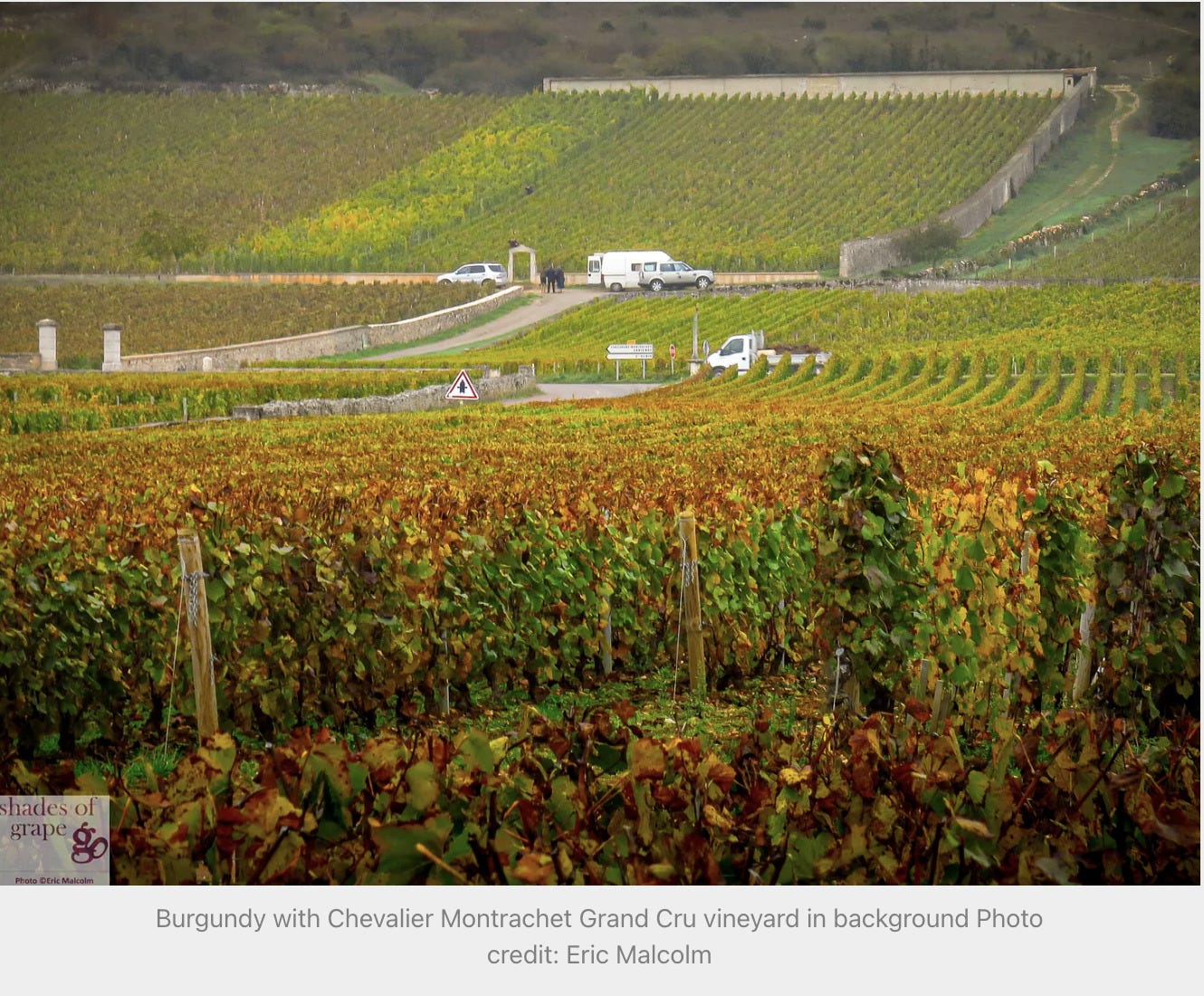
Bonjour Bourgogne
Burgundy (Bourgogne) is a region renowned for its prestigious and often expensive wines. The area primarily produces Chardonnay and Pinot Noir, offering red and white wines covering the full range of styles. Understanding Burgundy’s four-tier system—Regional, Village, Premier Cru, and Grand Cru—helps you select the appropriate quality and price for the occasion.
Beaujolais’ Main Squeeze – Gamay
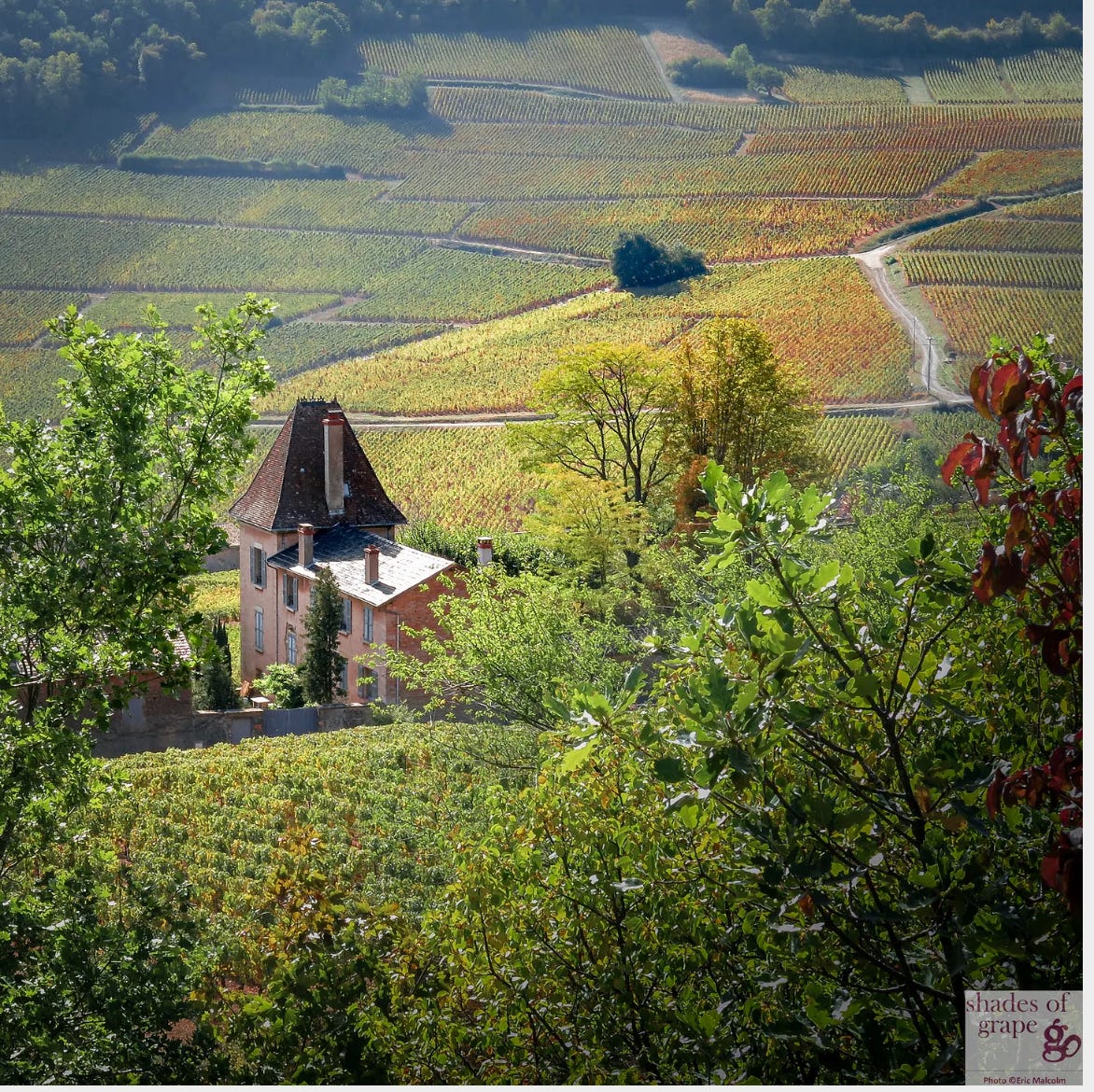
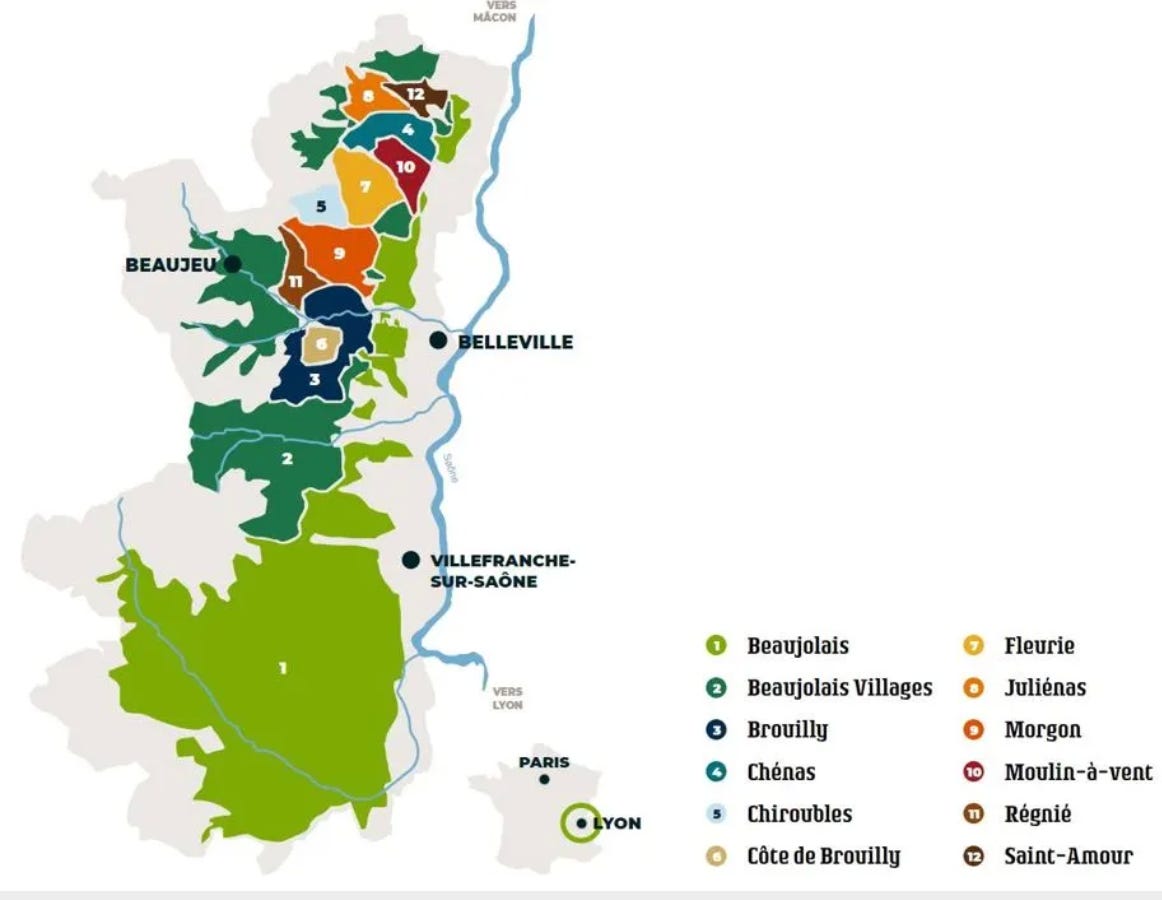
The Beaujolais wine region is nestled between Burgundy and the Rhône Valley. Gamay, the region’s main grape, has a long history, including how it was controversially banned in Burgundy by Philip the Bold. While Beaujolais gained prestige in the 19th century, the region’s reputation faltered due to overproduction. Today, there’s a renewed focus on quality, especially in the Beaujolais Crus and Beaujolais-Villages wines.
Beaujolais – Beyond Gamay
Did you know Beaujolais grows a little Chardonnay? Chardonnay, a native of France, is a versatile grape that can produce styles ranging from light and crisp to rich and buttery, depending on the growing region and winemaking techniques. Explore how winemakers consider Chardonnay a blank slate and vary its style with the use of oak aging and malolactic fermentation, among others. There is truly a Chardonnay for everyone.
Is Bourgogne your favourite wine region in France? Which is your favourite wine from that region? Please share in the comments below.
Introducing Contributor, Eveline Chartier:
Visit her Contributor Page — Explore more of Eveline’s work
Love the higher parts of this region: chiroubles, julienas and regnie.