
Haute-Savoie: Mountains, Lakes, and the Occasional Fondue
Hmmm, I’ve never tried eating Fondue whilst swimming?

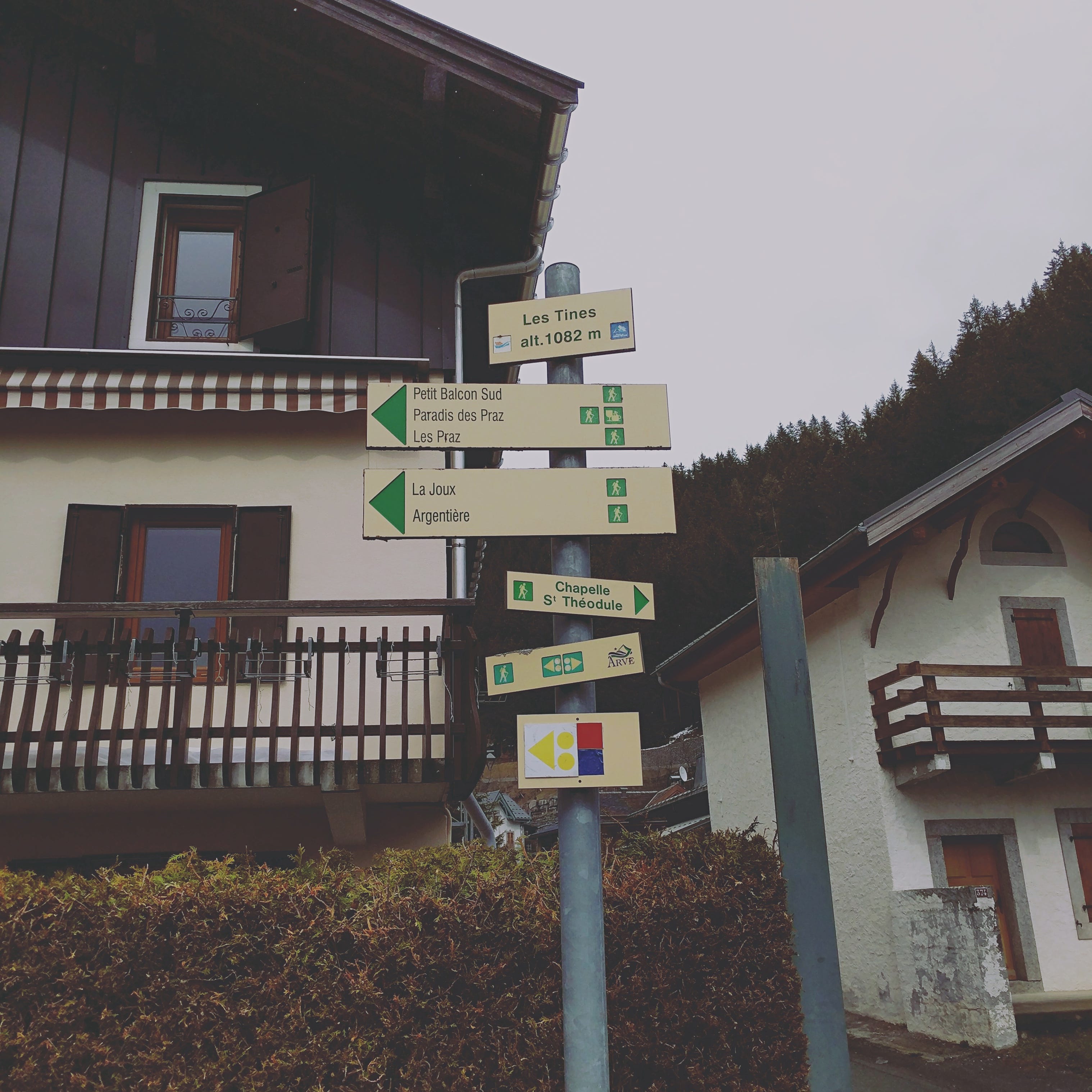
Where is Haute-Savoie?
Haute-Savoie sits in the far eastern corner of France, pressed up against the Swiss border like it’s trying to escape from the rest of the country. It’s part of the Auvergne-Rhône-Alpes region, one of the post-2016 mega-region creations. I live in the Limousin, well, I did, because it was dissolved in the same geographic pogrom. Perhaps it really is trying to escape and reclaim its lost identity. Sorry, I digress.
The department shares its eastern border with Switzerland - specifically Geneva, which is so close to parts of Haute-Savoie that thousands of French residents commute there daily for work. To the south, you’ll find Savoie (the non-Haute version), and to the west, Ain. Italy is just a mountain range away to the southeast.
This is proper Alpine territory. When people picture the French Alps, they’re usually thinking of Haute-Savoie, although they may not know it.
Nearest Airports
Geneva Airport is the obvious choice, sitting just 40 kilometres from Annecy and even closer to some parts of the department. The slightly awkward bit is that it’s in Switzerland, which means you’ll be landing in one country to visit another. The airport has a French sector, though, so you can exit directly into France without technically entering Switzerland (bureaucracy finds a way).
Lyon-Saint-Exupéry Airport is about 150 kilometres from Annecy, roughly a two-hour drive. It’s a proper French airport with excellent connections to the UK and the rest of Europe.
Chambéry Airport, in neighbouring Savoie, is smaller but handles seasonal flights, particularly during ski season. It’s about 50 kilometres from Annecy.
For those coming from further afield, these airports connect well to the department’s main towns, and there are regular bus services that run to the ski resorts during winter.
Three Places of Interest
Lake Annecy
Lake Annecy is one of those places that manages to be genuinely stunning without needing any marketing hype. It’s often called the cleanest lake in Europe, which is the sort of claim that’s difficult to verify but seems plausible when you see the water.
The lake is about 14.6 kilometres long and sits at the foot of the mountains, surrounded by peaks that provide a very dramatic backdrop. The town of Annecy itself sits at the northern end. With its canals and old town, it’s often compared to Venice (every town with a canal gets compared to Venice, to be fair).
Can you go swimming in Lake Annecy? Yes, absolutely. The water quality is exceptional, and there are numerous beaches and swimming spots around the lake. The water temperature has been known to reach 24°C in summer, though it’s fed by mountain streams, so it’s never really warm. There are public beaches at Annecy-le-Vieux, Saint-Jorioz, and Talloires, among others. Wild swimming is popular too, though you’ll want to be sensible about it Wetsuit, float, etc.) - this is a lake, not a swimming pool.
The lake has a 40-kilometre cycle path running around it, which is mostly flat and suitable for families. It gets busy in summer (everyone has the same idea), but it’s well-maintained and has the postcard views that make you understand why people move to the Alps.
Chamonix-Mont-Blanc
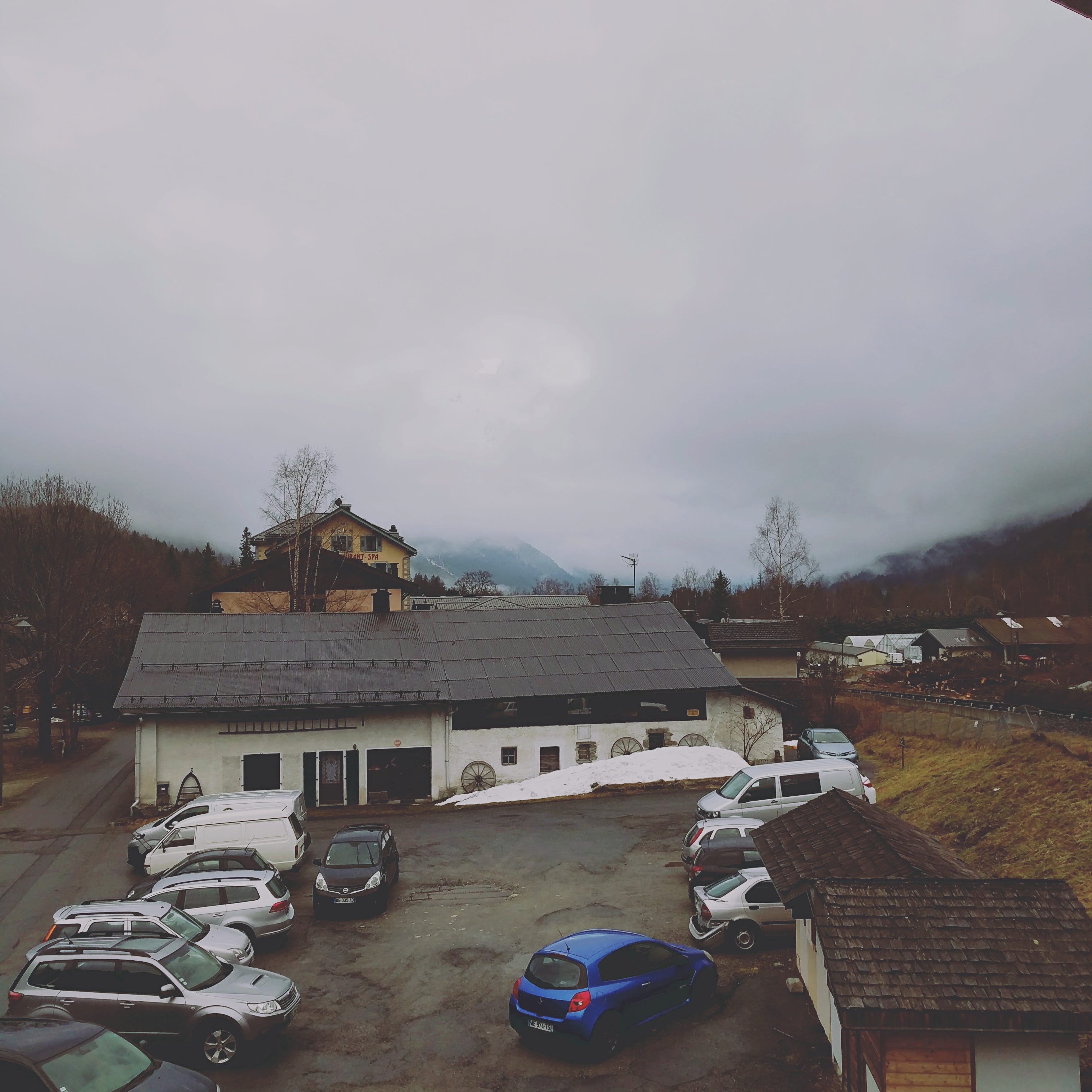
Chamonix sits in a valley at the base of Mont Blanc, which at 4,808 metres is the highest mountain in the Alps. The town has been a mountaineering centre since the 18th century and hosted the first Winter Olympics in 1924.
These days, it’s a mix of serious alpinists, ski tourists, and people who’ve come to ride the cable car up the Aiguille du Midi (3,842 metres) for the views. The cable car journey is genuinely spectacular, if you’re OK with heights and don’t mind being packed into a cabin with other tourists.
The town itself has evolved to serve this constant flow of visitors. It has excellent shopping, numerous restaurants (indoor and outdoor), and accommodation ranging from hostels to five-star hotels. It’s not undiscovered or quiet, but it is the real deal if you’re interested in mountain sports.
In summer, the hiking is exceptional. In winter, the skiing is challenging - this isn’t a gentle resort for beginners.
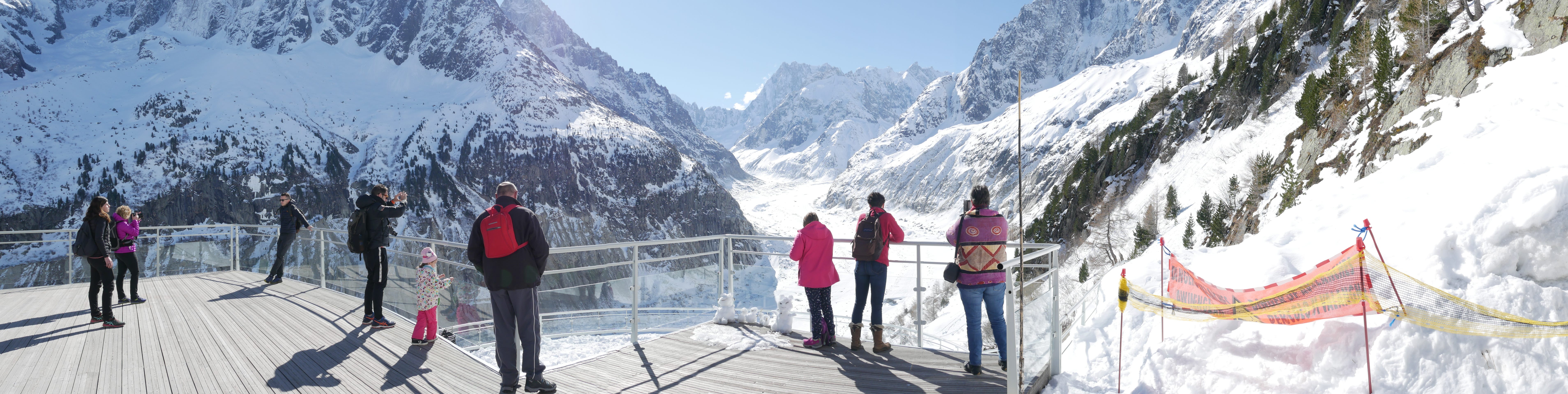
Yvoire
Yvoire is a medieval village on the shores of Lake Geneva (Lac Léman) that has leaned heavily into its picturesque qualities. It’s classified as one of the Plus Beaux Villages de France, which is both a tourism designation and a commitment to maintaining traditional architecture.
The village dates back to the 14th century and still has its castle (privately owned, not open to visitors) and fortified walls. The streets are narrow and cobbled, the houses are covered in flowers during summer, and there’s a Garden of Five Senses that does what it says.
It’s undeniably pretty, and it knows it. The village gets very busy during peak season, and there’s a certain theme-park quality to the whole experience. But if you go early in the morning or outside summer, it’s a pleasant place to wander, and the lake views are lovely.
There are several restaurants, though prices reflect the tourist traffic. The boat connections to other Lake Geneva towns are good if you want to explore further.
Historical Information
Haute-Savoie’s history is more complicated than you might expect for what’s now a thoroughly French department. For centuries, it was part of the House of Savoy’s territories, which means it spent most of its existence being not-French.
The Savoy dynasty controlled a region that straddled the Alps, including parts of what’s now France, Italy, and Switzerland. Their capital was Chambéry (in Savoie) until 1563, when they moved it to Turin. This Alpine kingdom was a significant European power, playing the larger nations off against each other with varying degrees of success.
The region only became French in 1860, following a deal between Napoleon III and the Kingdom of Sardinia (which the House of Savoy ruled by then). The agreement was sealed by a plebiscite that voted overwhelmingly for annexation to France, though the circumstances were somewhat stage-managed, in that the deal was signed the day before the vote.
This relatively recent French identity explains some of the department’s character. There’s a distinct Alpine culture here that feels different from other parts of France - the architecture, the food, even the accent.
During World War II, Haute-Savoie was part of the Italian occupation zone until 1943, then came under German control. The mountainous terrain made it ideal for Resistance activities, and the Glières Plateau was the site of a significant maquis operation in 1944.
The post-war period brought winter tourism on an industrial scale. Chamonix had been attracting visitors since the 19th century, but the development of ski resorts across the department transformed the economy. The 1992 Winter Olympics in nearby Albertville (just over the border in Savoie) further boosted the region’s profile.
Geography
Haute-Savoie is defined by its mountains. The department sits in the northern French Alps, with terrain that ranges from lake shores at around 370 metres to the summit of Mont Blanc at 4,808 metres.
The landscape is dramatic - steep valleys, high peaks, glaciers, and Alpine meadows. The Arve and Giffre rivers cut through the mountains, creating the valleys where most settlements cluster. The Chablais massif dominates the northern part of the department, while the Mont Blanc massif is in the southeast.
Lake Annecy and the French shore of Lake Geneva (Lac Léman) provide the department with substantial bodies of water. Both lakes are glacial in origin, carved out during the ice ages and filled as the glaciers retreated.
The climate is Alpine, which means cold winters with heavy snowfall at altitude and mild summers. The valleys can be surprisingly warm in summer, while the high mountains remain cool. Weather can change quickly - mountain weather being what it is - and microclimates are common.
The department has several protected natural areas, including parts of the Vanoise National Park and various nature reserves. The biodiversity is significant, with chamois, ibex, marmots, and golden eagles among the more notable species.
Snow cover is reliable at altitude from December through April, which is why the ski industry thrives here. Lower elevations see less snow but still get proper winters. Summer brings hikers and cyclists to the mountains, taking advantage of the network of trails and mountain refuges.
The geography has shaped everything about Haute-Savoie - where people live, how they make their living, what they eat, and how they move around. The mountains aren’t just scenery here; they’re the fundamental fact of life.
The department’s position on the Swiss border adds another geographical quirk. Geneva’s urban sprawl extends into France, creating a cross-border metropolitan area. French residents work in Switzerland, Swiss residents shop in France (it’s cheaper), and the whole arrangement requires various bilateral agreements to function.
This is a department where geography is destiny, for better or worse. The mountains bring tourists and sports enthusiasts, but they also make transport difficult and limit where development can happen. The lakes provide recreation and beauty, but they’re also fragile ecosystems that require careful management.
It’s a landscape that rewards those who engage with it properly - whether that’s hiking, skiing, swimming in Lake Annecy, or simply sitting by the water with a glass of local wine. Just don’t expect it to be undiscovered or quiet during peak season. Beautiful places attract crowds, and Haute-Savoie is no exception.
Image credits: All images copyright the author Nick Garnett
Introducing Contributor, Nick Garnett:
Visit her Contributor Page — Explore more of Nick’s work