
Interview: Tilar Mazzeo — Part One
Episode 1 of 2: Who is Tilar Mazzeo? - Republished. - Original publication date: 15.09.2011 - This article includes a list of Tilar's books.

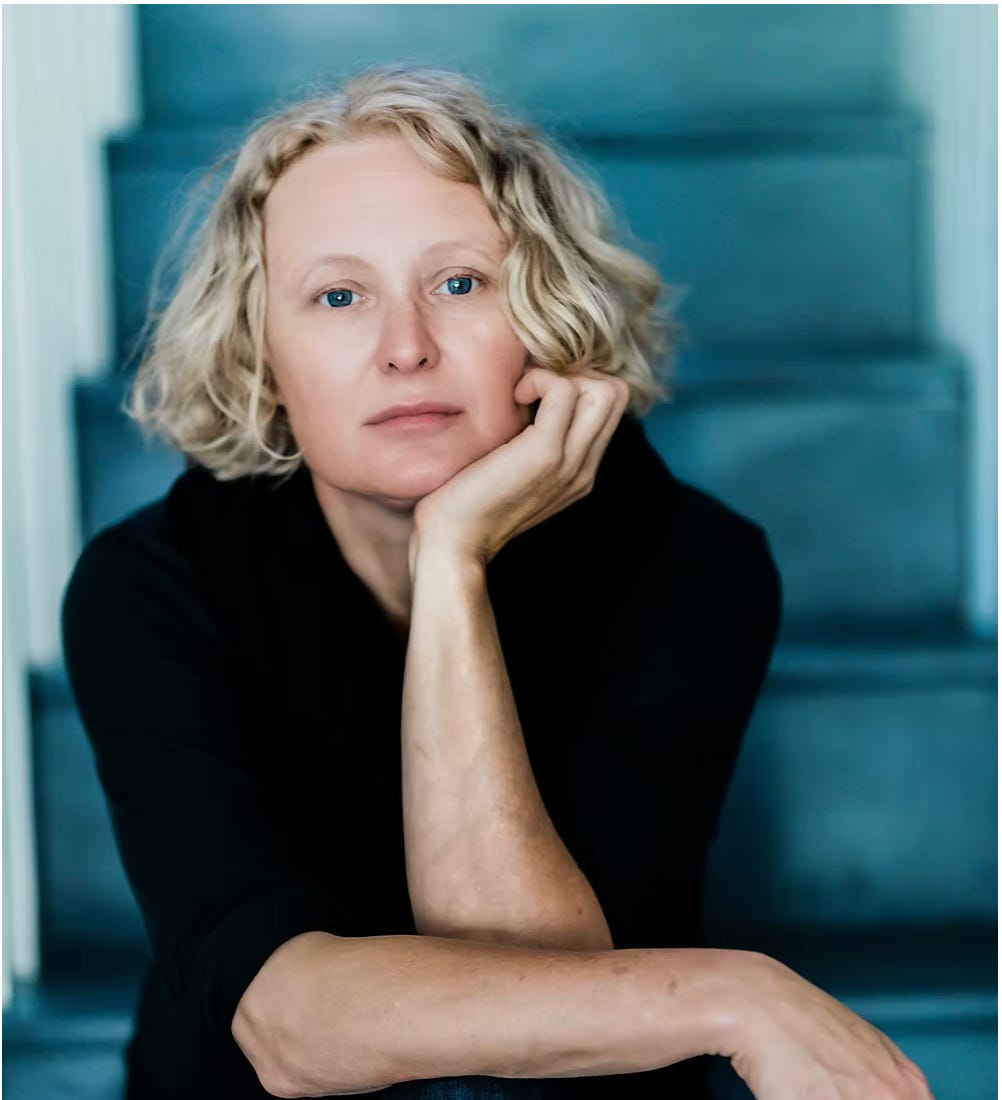
Tilar Mazzeo is a cultural historian who has thrown her heart and expertise into uncovering the stories of French luxury brands and the people behind them.
Her first book,
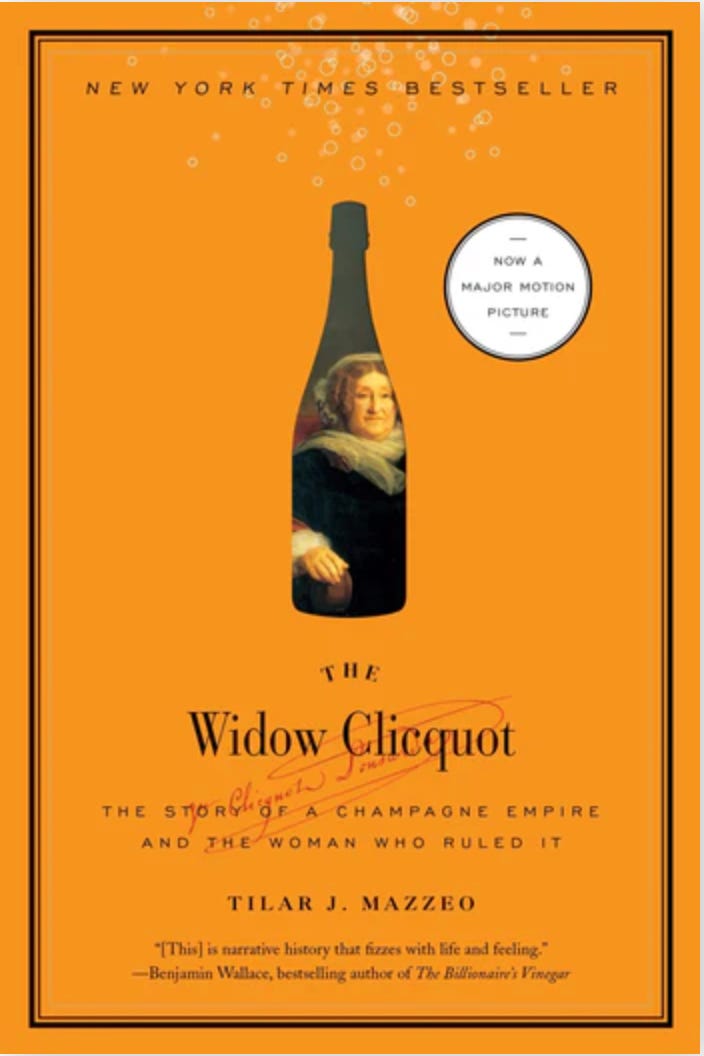
-The Widow Clicquot: The Story of a Champagne Empire and the Woman Who Ruled It, made the New York Times best-selling list.
- She has also written The Secret of Chanel No. 5: The Intimate History of the World’s Most Famous Perfume and is working on
- The Ritz at War: Luxury in Occupied Paris.
[See below for the list of all books written by Tilar Mazzeo.]
Tilar researches the historical period, the brand, its industry and its technology and science, and weaves this information effortlessly into a narrative. Her elegant writing helps bring the characters alive and evokes a true sense of time and place.
Tilar has also written guidebooks on California wine country and is an associate professor of English at Colby College, Maine.
Where did you grow up?
I grew up in Maine, New England, in a small town called Camden, on the coast.
I was curious about your last name…
Everybody always is. I can’t tell you how many times I’ve gone to job interviews and people have done a double-take when they read the name and see a blonde woman coming in. My first name is Finnish. My surname is Italian, or as my father would say, Sicilian. My mother’s family and half of my father’s family are Finnish.
When did you discover you wanted to be an academic, a writer and a biographer?
The writing of biographies was partly an accident. I went directly to graduate school after my university. I had done a degree in English and Classical Greek as an undergraduate and then got offers to go into a PhD program, so I did it without really considering other options. That was great, and I got a professorship. My first professorship was in Oregon’s wine country, so by the time I was in my early 20s, I had become serious about wine, but I went into academics. My training was in British Romantic poetry and 18th and 19th-century British and Continental European culture.
Then I had a job and was moving along with that. I didn’t set out to become a writer as opposed to an academic. What happened was that finding two academic jobs, one for me and one for my then-husband , in the same location was really hard. The only job we could get was in the American Midwest.
Everyone was really nice, but I was really unhappy; I had become really passionate about wine, and there was no local industry there. So I threw myself quite seriously into the study of French champagne to console myself.
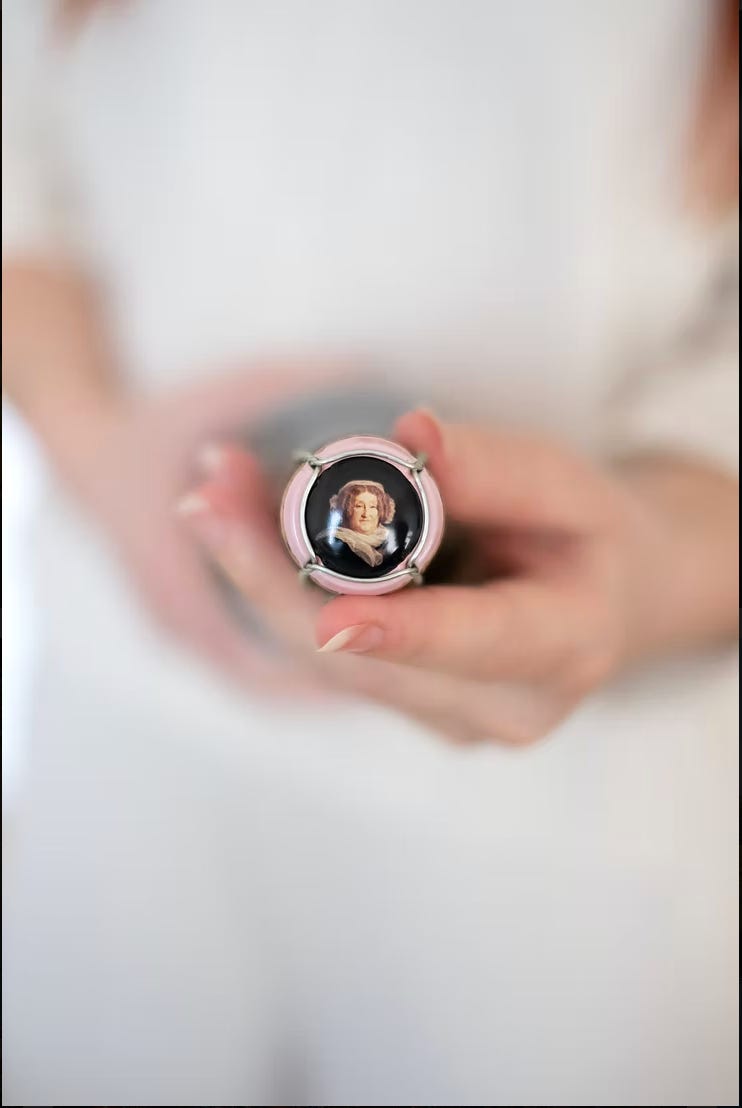
I made some girlfriends there, and we were all passionate about wine. The Widow Clicquot book started as a joke amongst girlfriends about when one day I said, “Oh, Veuve is a widow in French. I wonder if there is a Widow Clicquot?” And I started doing the research, and we would get together and drink the champagne, and I would say, “Well, here’s what I’ve learned about Veuve Clicquot.” One day, I said, “Someday I am going to write the biography of this woman.”
My girlfriends said, “You have to do that now.” They are the women the book is dedicated to. It snowballed from there. The best ideas come from talking over champagne with girlfriends.
How do you describe yourself in three adjectives?
I am relentlessly optimistic.
I have nomadic tendencies. I have homes in too many places. I wrote on my blog that my mother often asks me which continent I’m on, and if she wants to know.
I think I have something of the ‘Energizer Bunny’; I’m lucky to have been really energetic.
What are your passions outside of writing?
I have done yoga seriously for years and years. I’ve been to cooking school, I’m an ‘alright’ cook. The wine, of course. Recently, I have taken up learning how to fence.
Really?
Yes. You know it was just one of those things that happened when I got divorced. And in the period right after my divorce, I remember thinking that I had never travelled alone and what if I was afraid to do it. Is this one of the things I will lose?
So, I made a list of all the things in the world I wanted to do. They were strange things; I wanted to sail on the Queen Mary on the trans-Atlantic crossing; I wanted to learn French, including mastering the French subjunctive finally; I wanted to learn how to fence; I wanted to go to the spas of Eastern Europe. It was a completely crazy list, but I’m working through it and am almost at the end of it.
I love fencing, but I have no idea why it popped into my head.
How about other things you love? Let’s play a game of favourites.
What is your favourite city in France?
Cannes (out of season) and the Marais district of Paris.
What is your favourite thing to do in Paris?
I love walking or taking a book and taking a nap in the Luxembourg Gardens.
What is your favourite museum in Paris?
There is a fabulous little perfume museum in Versailles called the Osmotheque de Versailles. They are dedicated to collecting fragrances that are disappearing, because most of the perfumes from the ’20s and ’30s, which would’ve been on our grandmother’s boudoir tables, aren’t on the market anymore. Beautiful perfumes that just aren’t available anymore.
Who is your favourite French writer?
I tend to read the 19th-century writers, like Gustave Flaubert, but I think that’s [because of] my training as an academic. I have started trying to keep my French up by reading mystery novels in French.
What is your favourite place in France to celebrate a big occasion?
I planned to have my 40th birthday party in the Champagne. I have rented a house in the middle of vineyards for a week. My friends and I will go wine tasting and cook fabulous meals.
That, for me, is a perfect French life.
EDITOR NOTE:
Tilar J. Mazzeo’s books, ranging from her early academic works to her latest narrative non-fiction, are listed below by their initial publication date:
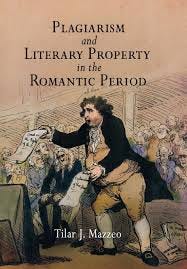
Plagiarism and Literary Property in the Romantic Period (2007) – A scholarly reassessment of British Romantic literature.
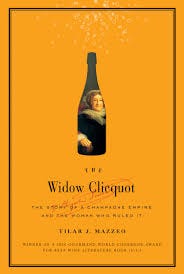
The Widow Clicquot (2008) – A bestselling biography of Barbe-Nicole Clicquot Ponsardin, the woman behind the Veuve Clicquot champagne empire.
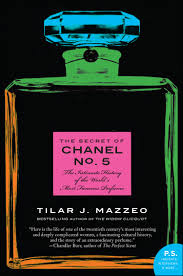
The Secret of Chanel No. 5 (2010) – An unauthorized “biography” of the world’s most famous perfume.
The Back Lane Wineries of Napa / Sonoma (2010–2011) – Insider guides to boutique estates and authentic wines in California.
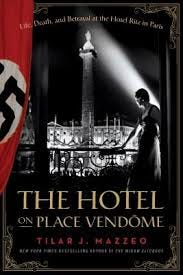
The Hotel on Place Vendôme (2014) – A history of life, death, and betrayal at the Hotel Ritz in Paris during the Nazi occupation.
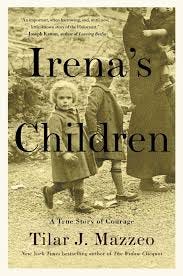
Irena’s Children (2016) – The extraordinary story of Irena Sendler, who saved thousands of Jewish children from the Warsaw Ghetto.
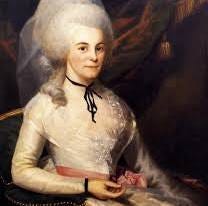
Eliza Hamilton (2018) – A biography exploring the multi-faceted life of Alexander Hamilton’s wife and her own legacy.
Sisters in Resistance (2022) – A true WWII spy thriller following three women who worked to preserve the Ciano diaries.
How to Write a Bestseller (2024) – A practical guide for experts looking to write engaging narrative non-fiction.
To the Edge of the World (also titled The Sea Captain’s Wife) (2025/2026) – The true story of Mary Ann Patten, who navigated a clipper ship through Antarctica after her husband fell ill.
The Green Dragon Tavern (forthcoming 2027) – An upcoming account of the figures who shaped the history of the Boston Tea Party.
You can find and read the continuation of our interview with Tilar here – Episode 2 : Uncovering French luxury brands’ secrets.
Introducing Contributor, Judy MacMahon:
Visit her Contributor Page — Explore more of Judy’s work
Loved this article Judy. Veuve Clicquot is my favourite champagne when I can afford. Will definitely have a bottle chilled when we move into our new home back in the island of Ireland. We marked the selling of our Wissantaise house by opening a saved bottle of Domaine Évremond edition 1 last weekend.
Tilar Mazzeo’s book about the widow is now on my wish list.