
La cuisine nissarde + 9 great places to try it in Nice
Here we’re getting a taste of la cuisine nissarde, and I’m sharing where to find the best socca, pissaladière and daube de boeuf in Nice.

Coucou,
When I think of la cuisine niçoise, I immediately want to pick up some socca on Cours Saleya, or grab a slice of pissaladière. I have friends who swear by a good, fresh pan bagnat, but only if it comes from that one very particular place. That’s really the common thread when you talk to Niçois about their local cuisine. Sooner or later, you’ll get a fiery case for why X makes the best socca and why Y is the only place you should ever order pissaladière from, often delivered with a passionately raised finger. And that’s before we even get into what does and doesn’t belong in a salade niçoise (looking at you, haricots verts, tinned tuna, and lettuce), and why you absolutely have to try the green yet sweet tourte de blettes, a Swiss chard tart, and the gnocchi-like merda de can (loosely translated: dog poop, la joie!).
In this newsletter, I’ll tell you why the niçoise cuisine feels so Italian, but also why it’s largely vegetarian, and which local products are worth leaving space for in your suitcase. And of course, I’ll also share where to go in Nice for excellent cuisine nissarde (spoiler: one of my favourites is run by an eccentric chef who once held two Michelin stars).
Bisous
Suzanne
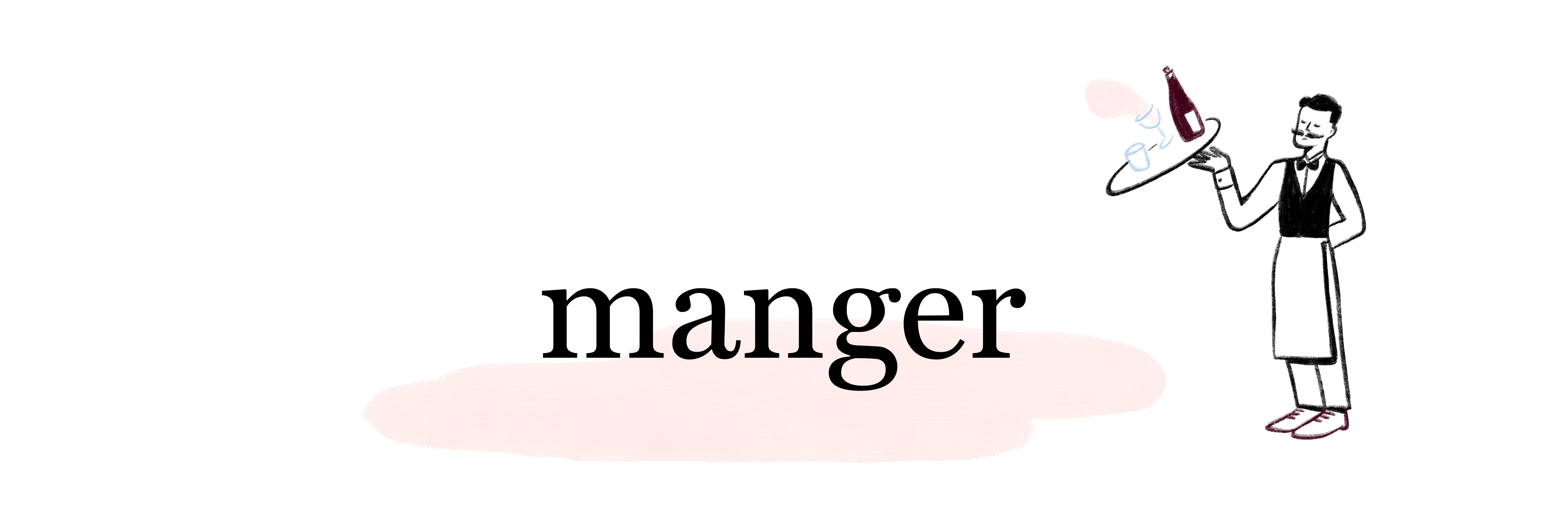
Sunshine on a plate, that’s la cuisine nissarde. Lots of vegetables, eggs, olives and the odd anchovy, but surprisingly little meat. Outsiders are more likely to call it la cuisine niçoise, but in the local Provençal dialect, Nissart, it’s known as la cuisine nissarde, and so that’s what I’m calling it too. This is a cuisine with one foot in Provence and the other in Italy, shaped by both Mediterranean and Alpine influences. Its roots go back centuries, but the arrival of Italian workers at the end of the 19th century was crucial to the emergence of the cuisine nissarde as we know it today.
Contea di Nizza
Anyone who’s visited Nice and Menton will know there’s an almost Italian feel to both cities. And that’s hardly surprising, because until 1860, Nice was part of the Kingdom of Sardinia-Piedmont. During Italian unification, in which Sardinia-Piedmont played a major role, Emperor Napoleon III decided to come to its aid in the fight against Austria, but naturally, he wanted something in return: the Comté de Nice and the Duchy of Savoy. So it’s only been part of France since 1860, and beyond the architecture, you still notice it today in the Italian-sounding surnames and, of course, the food culture.
Until 1860, the County of Nice was fairly isolated, both politically and geographically. And while the Côte’s climate is celebrated today, it was once precisely what held agricultural development back. Very little grew in the region, and long periods of drought, broken up by violent storms, put harvests at risk. So the Niçois opted for reliable crops such as vines and olive, almond and fig trees, all of which need very little water. Meat was scarce and therefore expensive, which is why it barely features in la cuisine nissarde. The same goes for fish, incidentally, because off the coast of Nice, aside from sardines, anchovies, octopus, and shellfish, very little is caught.
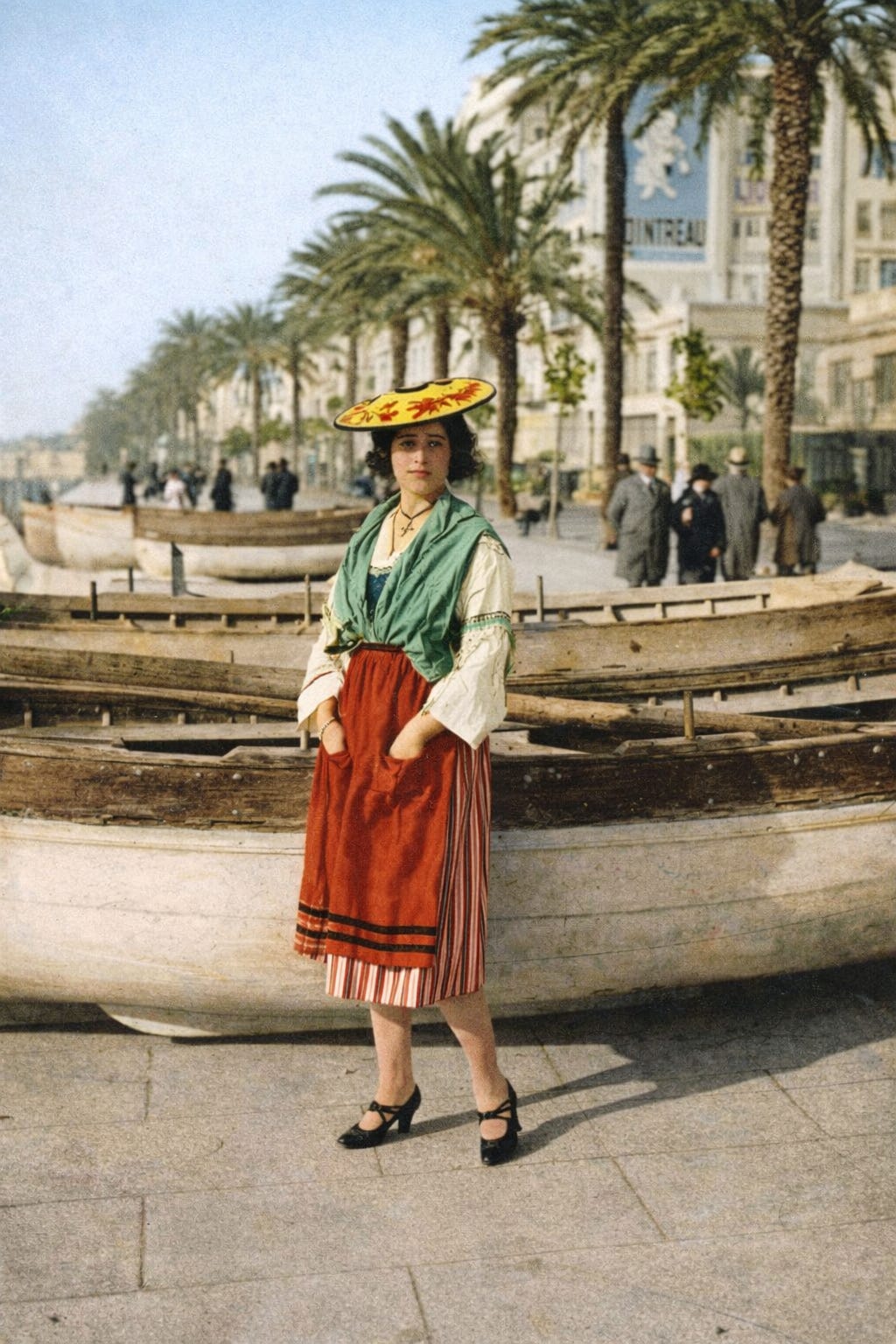
So yes, cuisine nissarde is fresh, Mediterranean, and often vegetarian, but alongside all those lighter dishes, there are plenty of bites drenched in local olive oil, rich regional cheeses you’ll want to stash in your suitcase, and of course, the local wines are not to be missed when you’re in Nice.
Caillette and tomme
Until the early 20th century, olives were central to the economy of the Comté de Nice, but after the two world wars, production never truly recovered. Nice olive oil, especially the kind made from the caillette olive, is still prized by those in the know. And if you’re heading to Cours Saleya anyway, you may as well stop by the shop of the famed Moulin à l’Huile d’Olive Alziari (14 Rue Saint-François de Paule) for a bottle of olive oil. Nice may not be the first place that comes to mind for cheese, but in the more remote hinterland, a number of local tommes are still made under the broader name tome de Champsaur: tomme de Tende, tomme de la Vésubie, tomme des Vigneaux, tomme du Queyras, and tomme de l’Ubaye.
Wine
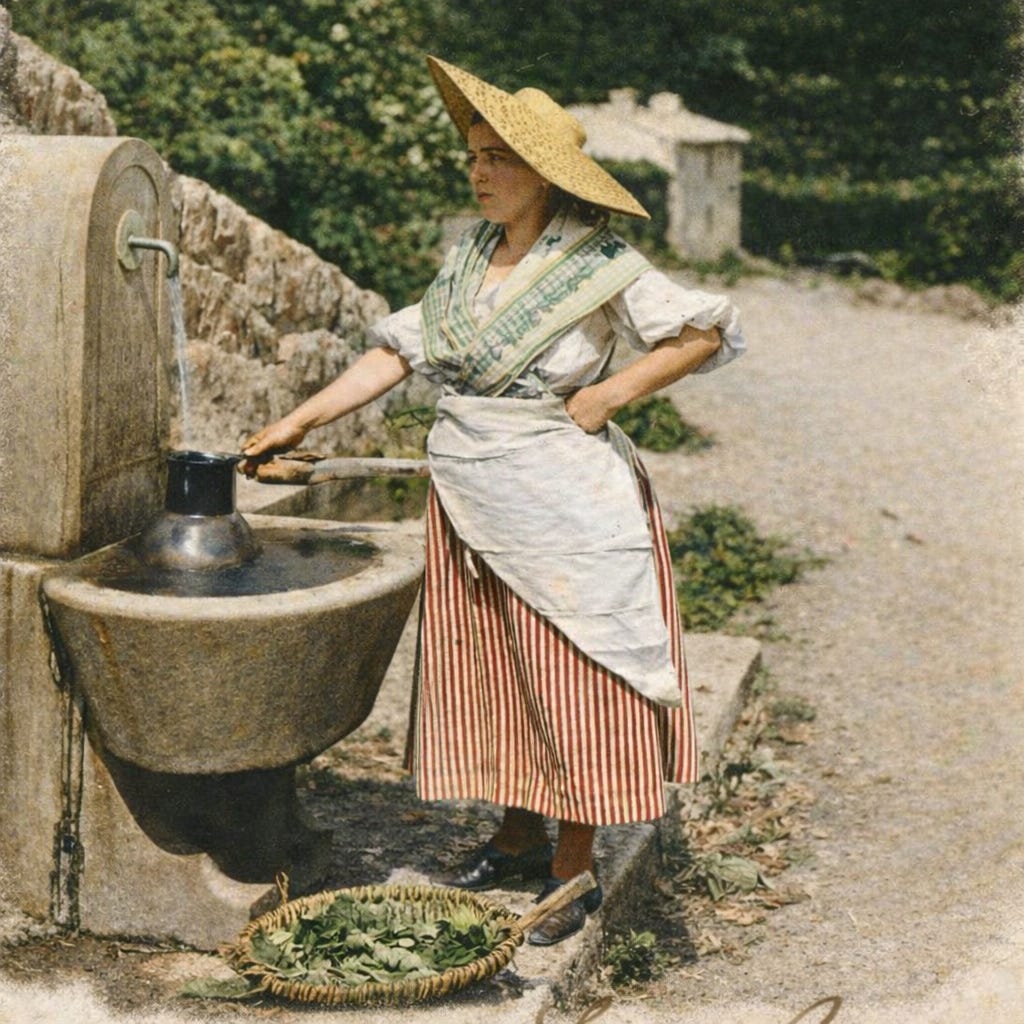
Even if you go to Nice often, there’s every chance you’ve never actually seen the vineyards of Bellet. The appellation covers around 650 hectares, of which roughly fifty are under vine. The vineyards lie on the final foothills of the Alps, at elevations of 200 to 400 metres (656 to 1,312 ft), entirely within the city limits of Nice. They benefit from generous sunshine, favourable rainfall and a distinctive microclimate shaped by a mix of winds, including the Mistral and the Tramontane, which produce whites and rosés that are both fresh and elegant.
All in all, la cuisine nissarde is a modest, deeply rooted family cuisine, passed down from one generation to the next. In 1995, the Cuisine Nissarde label was introduced to protect and promote traditional Niçoise cooking. Naturally, a label like that comes with the odd tourist trap here and there, but trust me: the addresses below are very much worth your time.
Bon appétit!
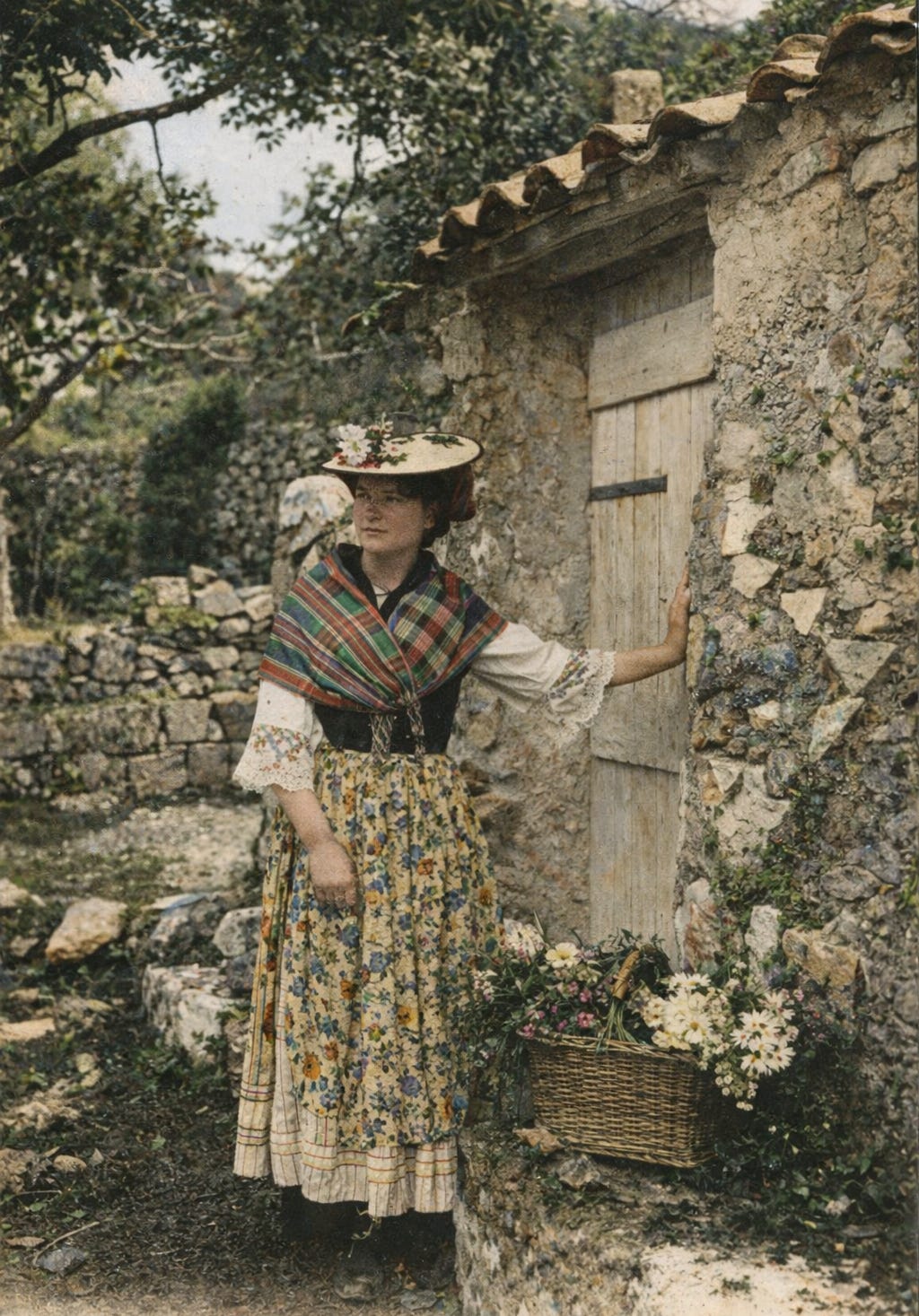
9 of the best places to try cuisine nissarde in Nice
Socca
Where better to begin a tour of la cuisine nissarde than Marie-Thé’s? The stall run by Marie-Thé Pisano, born and raised in Vieux-Nice, sits at the end of Cours Saleya, and the golden socca, a chickpea flour snack, is still warm from the oven. Marie-Thé also does an excellent pissaladière (something like an onion and anchovy tart) and petits farcis. But as ever, opinions are divided, so I’m very happy to point you towards Chez Pipo too. At this little spot near the port, socca has been on the menu since 1933. It’s an iconic address in any case, because it was Pipo who first put pizza on the menu here in 1945, making it the first restaurant in Nice to do so.
→ Socca Du Cours, Chez Marie Thé, Place Charles Félix.
Open Wednesday to Sunday from 09:30 to 13:30, closed on Monday and Tuesday.
-
→ Chez Pipo, 13 Rue Bavastro.
Open Wednesday to Sunday from 11:30 to 14:30 and from 17:30 to 22:00, closed on Monday and Tuesday.
Chez Acchiardo
Right in the middle of the tourist bustle of Vieux-Nice, you’ll find Chez Acchiardo. A classic now run by the fifth generation of the family. Weave your way through the crowds and settle in at this family restaurant, where time seems to have stood still a little. On the menu: well-priced classics that are thoroughly worth ordering. And if you pay attention, you’ll notice plenty of locals taking their seats at ‘their’ Acchiardo too. It’s that kind of place.
→Chez Acchiardo, 38 Rue Droite.
Open Monday to Friday from 12:00 to 14:00 and from 19:00 to 22:00, closed on Saturday and Sunday.
Chez Davia
A few years ago, when I was working on my Côte d’Azur guidebook, I tried to book a table at Chez Davia. Slightly naively, I assumed I’d still be able to get in that same evening at this seemingly traditional restaurant with its red-and-white checked tablecloths, but I was very much mistaken. Chez Davia was fully booked for the rest of the week. Don’t let the same thing happen to you, because this is exactly the sort of place you’ll want to sit down at at least once. The cooking at Chez Davia is honest and thoughtful, from the generous barbajuans to the fragrant pâtes pistou and the rich daube de boeuf. Don’t skip the tarte aux pommes either. Yes, it’s on the pricier side, but here it’s absolutely worth it.
→ Chez Davia, 11bis Rue Grimaldi.
Open Wednesday to Sunday from 12:15 to 14:00 and from 19:00 to 21:30, closed on Monday and Tuesday.
Chez Palmyre
Three hundred sunny days a year, that’s the promise of Nice, and of many other towns along the Côte d’Azur. But even here it rains sometimes, especially in winter. That’s exactly what happened two years ago, when I went to the notary to sign the purchase contract for my little mountain house in the Mercantour. It was pouring and blowing hard that day, so luckily we had already booked a table at Chez Palmyre in Vieux Nice. A restaurant with little curtains and absolutely no view, which makes it perfect on a rainy day. The restaurant was opened in 1926, exactly a hundred years ago this year, by Palmyre Moni, a Tuscan who made Nice her second home. With its brick walls, old mirrors, red and white checked tablecloths and vintage plates advertising Suze, Ricard and Bouillon Kub, the place feels like stepping straight into another era. The lunch menu is simple and very reasonably priced, the atmosphere wonderfully old school. Do book ahead though, there are only a handful of tables.
→ Chez Palmyre, 5 Rue Droite, +33 (0) 4 93 85 72 32.
Open Monday, Tuesday, Thursday and Friday from 12:00 to 13:30 and from 19:00 to 21:30, closed on Wednesday, Saturday and Sunday.
La Merenda
During his career, chef Dominique Le Stanc cooked at the highest level in Monaco, Èze and at Le Chantecler in the Negresco, where he earned two Michelin stars. But in the end, he wanted something different: a small restaurant where he could devote himself entirely to la cuisine nissarde. That opportunity came when he was able to take over La Merenda, one of his favourite addresses, after its owners retired. What does a day in Le Stanc’s life look like? It starts early at Cours Saleya, where Dominique personally picks out his produce. After that, he and his team disappear into the restaurant’s tiny kitchen, where dishes are created that seem so simple, yet feel pure and refined. You come here for the pissaladière, the tagliatelle au pistou and, of course, the beautifully creamy tarte au citron to finish. Everything here feels special precisely because it’s so unpretentious. Note: book ahead.
→ La Merenda, 4 Rue Raoul Bosio.
Open Tuesday to Friday from 12:00 to 14:00 and from 19:00 to 21:30, closed Saturday to Monday.
La Table Alziari
Want to impress your friends with a classic Niçois address? La Table Alziari has been around for twenty-five years, and yes, you can tell in places. But honestly, that doesn’t matter one bit, because you come here for unfussy classics done properly. Make sure to order the petits farcis, beignets de fleurs de courgette, pâtes au pistou and morue à la niçoise. The menu is intentionally compact and follows the seasons. The atmosphere is warm, and the little terrace on this quiet street in Vieux-Nice makes the perfect setting for an evening of properly authentic food.
→ La Table Alziari, 4 Rue François Zanin.
Open Tuesday to Saturday from 12:00 to 13:45 and from 19:30 to 21:15, closed on Sunday and Monday.
Pan bagnat
As I said, most Niçois have a favourite address for the beloved sandwich called pan bagnat, which was added to France’s cultural heritage list just a few years ago, and among my friends, Kiosque Tintin and Chez Félix are the names that come up most. What’s lovely about Kiosque Tintin is that it takes you to the lively Libération neighbourhood, just north of the station. Tintin began life as a small wooden kiosk by the old Gare du Sud and grew into the kind of place where half of Nice seems to go for its pan bagnat. You’re not just here for the sandwich, but for everything around it too: the neighbourhood feel, the market, the fact that it all feels unmistakably local. Chez Félix, just beside the green stretch of the Promenade du Paillon, has been going since 1966. It’s a proper institution, and you can count on a generously filled, wonderfully fresh pan bagnat here.
→ Kiosque Tintin, 3 Place du Général de Gaulle.
Open Tuesday to Sunday from 06:00 to 15:00, closed on Monday.
-
→ Chez Félix, 16 Boulevard Jean Jaurès.
Open Tuesday to Saturday from 09:00 to 18:00, closed on Sunday and Monday.
~ Fin
À Bientôt
Suzanne
Introducing Contributor Suzanne Rietmeijer
Visit her Contributor Page — Explore more of Suzanne’s work