

Like most folks newly arrived on the scene in France, we were overwhelmed yet excited. Most mornings, we would enjoy breakfast around our old kitchen table, talking about and trying to make sense of our new life, how to fit in and not stand out too much, drive safely to a destination, or just order lunch. This went on for about five years.
We were rolling along nicely in France, in our old Renault Twingo, living the dream, as many of our friends reminded us. And they were right, especially if you could overlook the bureaucratic challenges.
Grasping the fundamentals of the French enjoyment of life, la joie de vivre, was something that took a bit longer to understand and to admire.
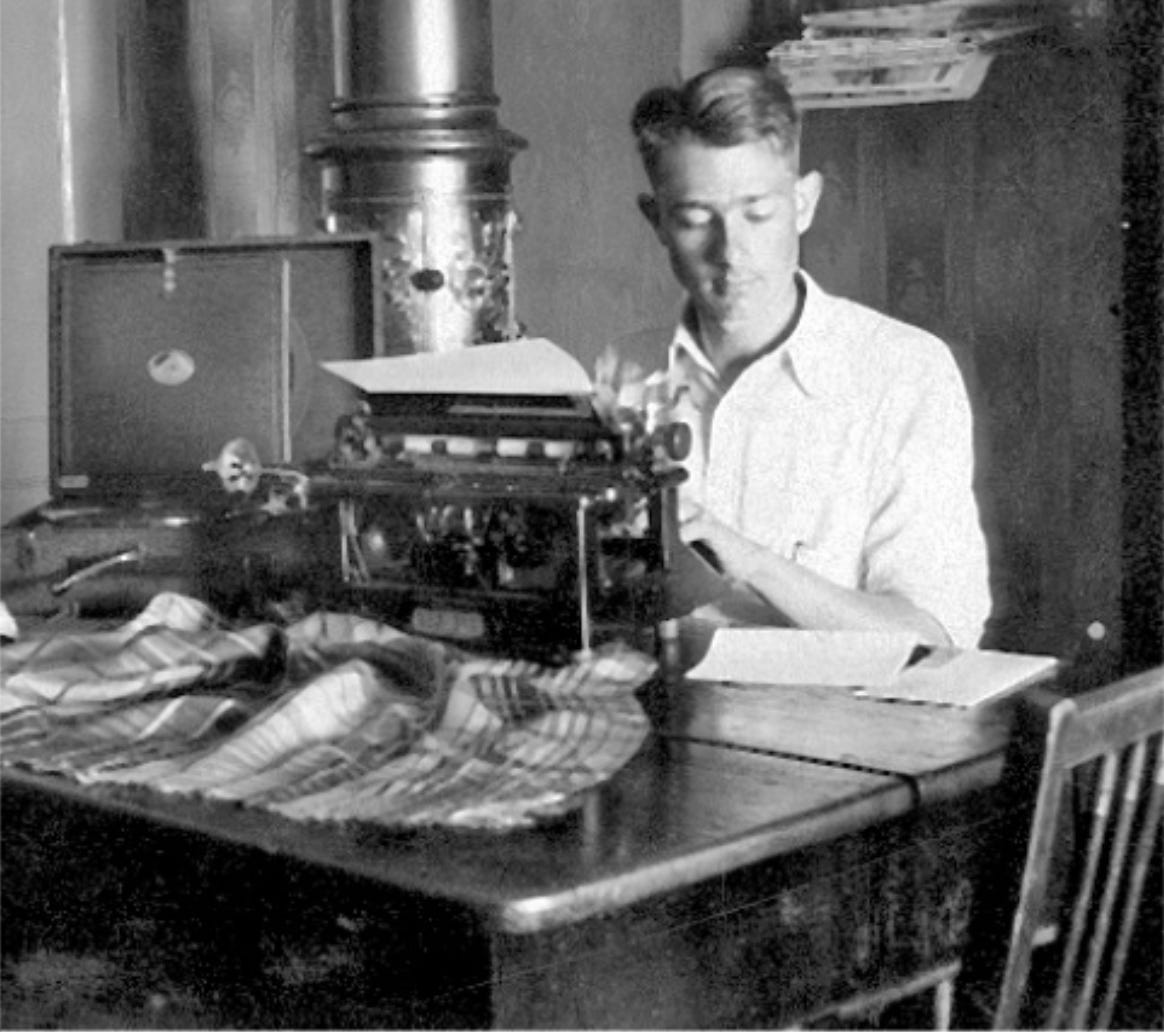
When the COVID-19 pandemic hit, we were confined to our homes like everyone else. We had a lot of free time during the day, and discussions around the kitchen table were more leisurely, often lasting until lunchtime.
We passed the time by discussing the world news or a book we’d recently read. We often shared stories.
One day, Kim said:
Why not tell me more about your life as a kid in Chicago? Your world was so different from today. What about the time you held up a train? That should be in a book, don’t you think? You know, a memoir!”
I was thinking that not many folks would want to read about a quiet kid living in the best of times (for me at least) in a quiet suburb north of Chicago. Most of the memoirs I’d read had a strong protagonist who had suffered greatly or had overcome some obstacle on their road to adulthood.
I mentioned my hesitation to Kim, hoping she would agree.
Well, you did stop a train once, that was pretty big.”
I know, but there wouldn’t be any graphic violence or anxiety-inducing suspense in my memoir. And no romance whatsoever.”
Oh, come on. I love your stories. So will everyone else.”
I could see that Kim meant business, that quick flash in her green eyes. So, I gave up and began, without any plans or outlines, retelling all the stories from long ago that I could remember.
Most days, we would be at our old kitchen table, a beat-up relic with years of food stains we never could remove from the surface. After lunch, Kim would prompt me with a question or two. Once I got going, it all came out. One memory would lead to another, and Kim would listen, laugh, and keep me motivated. I would take notes and, later, flesh them out, with Kim editing out the boring bits after I’d thought it was in pretty good shape.
And she kept me on track. Which is a talent because I do love a good backstory.
This is a cozy coming-of-age story, not your whole life,” was her reminder.
This went on for several months during the confinement. Kim would help me polish each story into a short stand-alone essay. And when we had 37 essays, we realized it could become a book.
It’s not bad,” admitted Kim one day. “There’s your gentle humor, a lot of engaging characters, and interesting places.”
Kim thought it would make a great summer read, not only for older folks like me but also for younger readers who might enjoy a glimpse into another, less complicated world.
A World Long Gone?


Left: The end of the line terminal as it looked in the 1950s.
Right: The End of the Line, the terminal for the CTA commuter line at 4th and Linden Ave. in Wilmette, Illinois. Now a protected historic building.
I grew up in the 1950s near what we called “the end of the line”, a small train station and suburban terminal where the commuter line to Chicago began, or ended, depending on where you were headed. For me, it was never the end of anything; it was just the beginning.
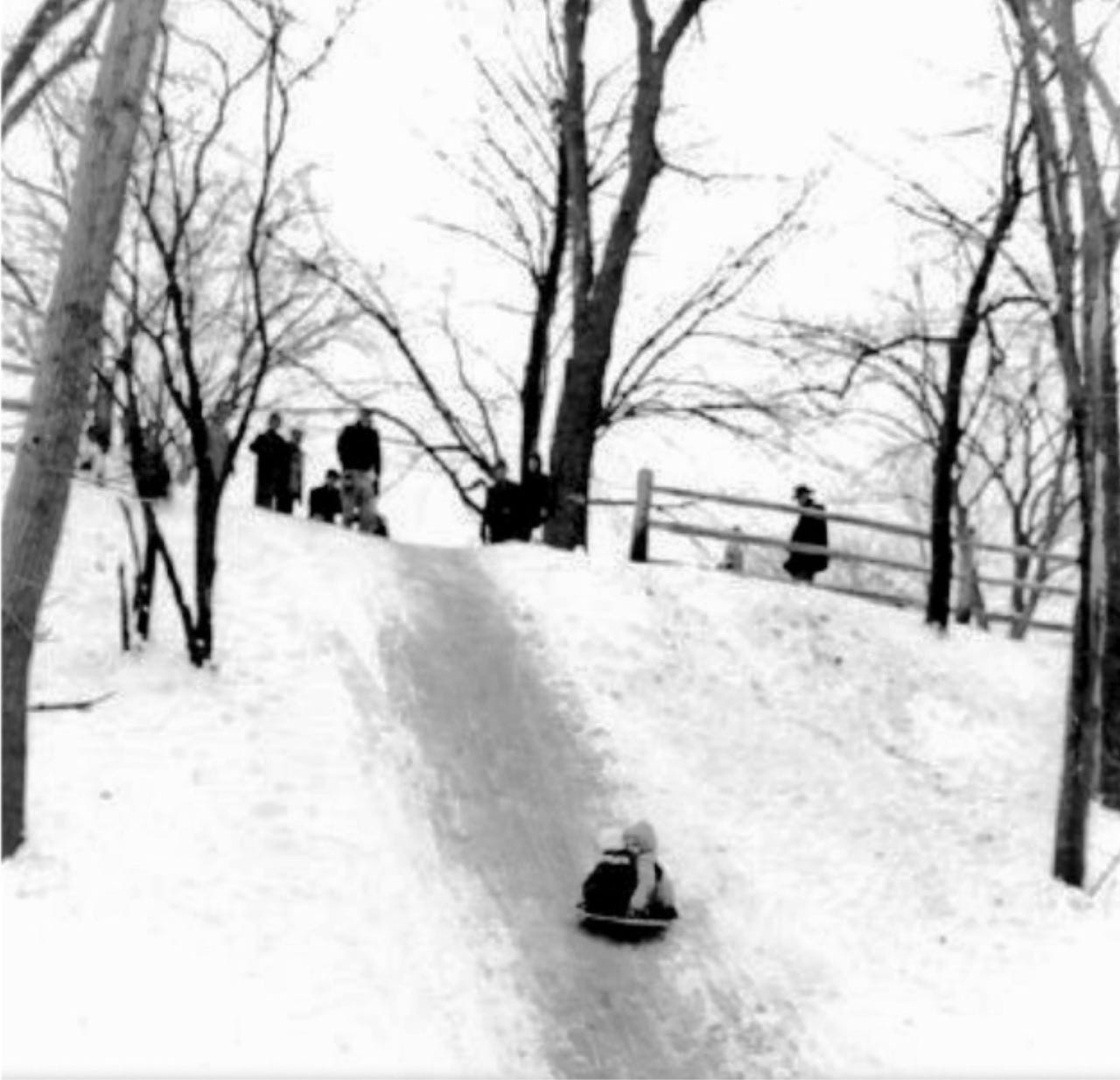
Even as a kid, I always looked for a quieter, more agreeable way to live. I avoided competitive sports or gangs of friends. I was much more of a loner, and I sought out people of any age who seemed like me. Like the Auschwitz survivor, Leo, who ran the newspaper/candy stand inside the station. Or Garrett, the disabled WW II vet who taught me how to raise and lower the crossing gates for the trains.
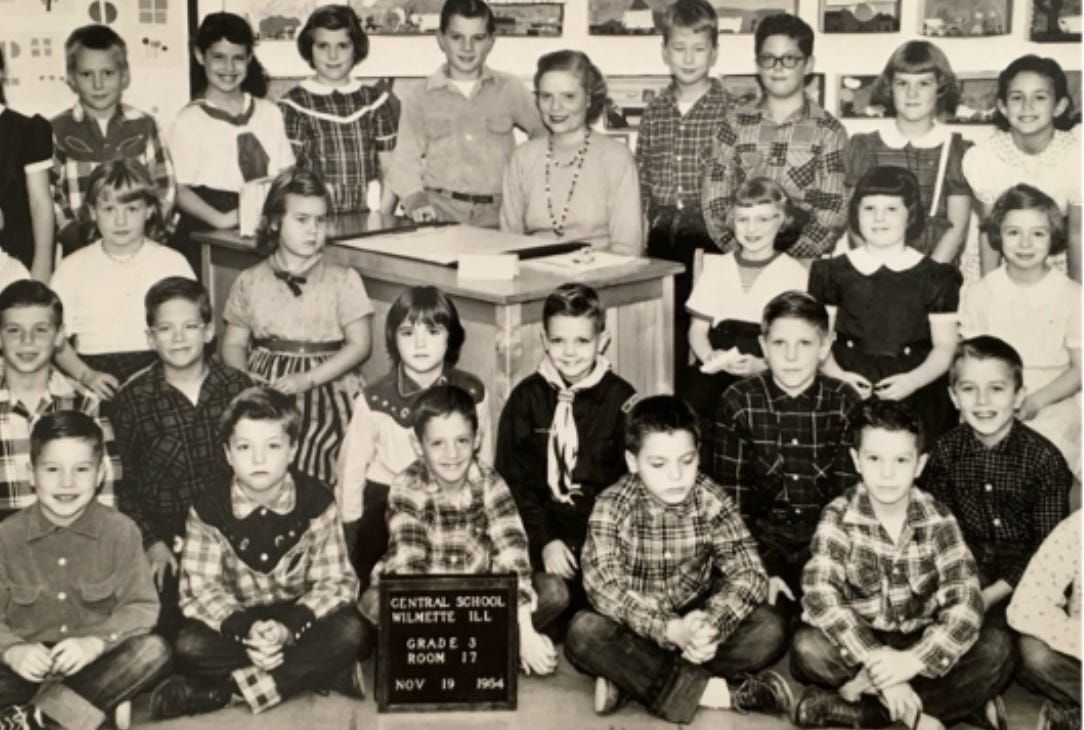
And my buddy, Bob Lewis, who talked Leo into selling us illegal fireworks like snakes and car bombs, that he kept in a box hidden away under the candy counter at the station.
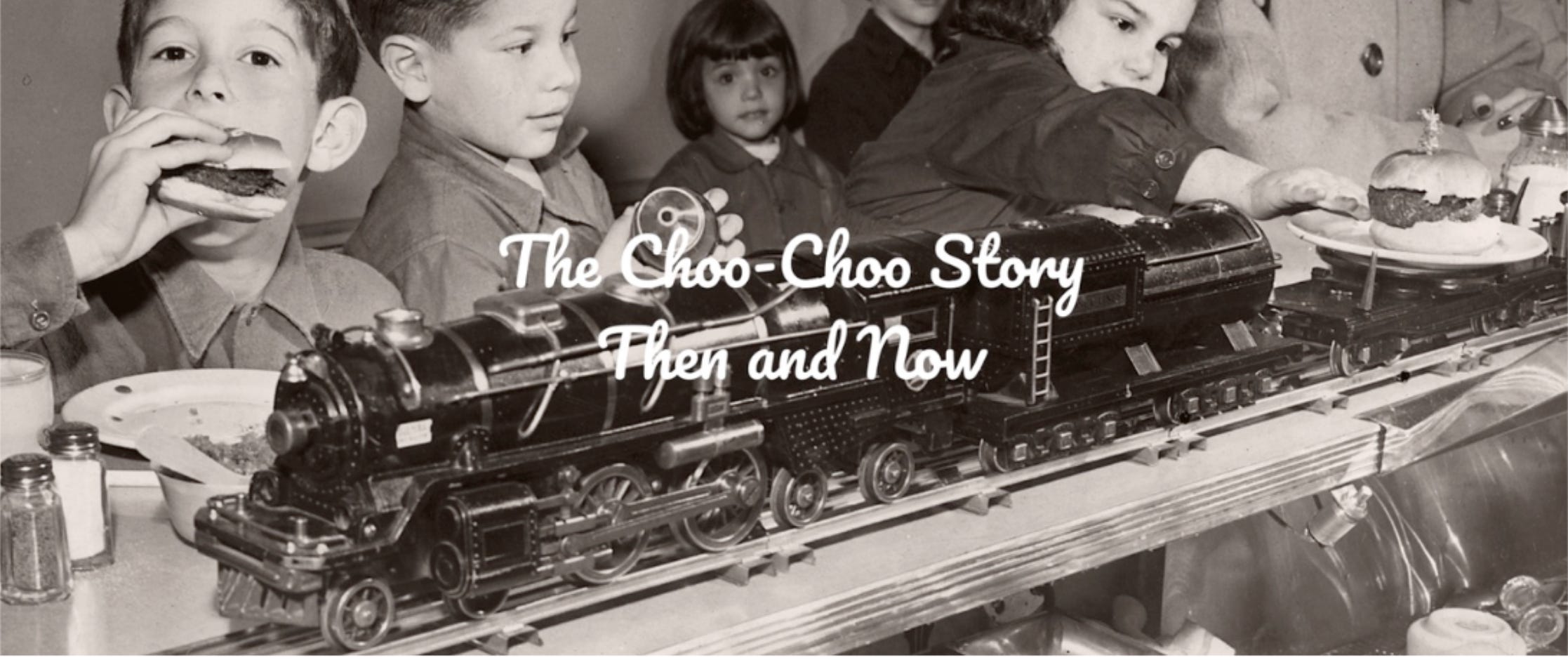
I’ve never forgotten the long summer days at the beach, the evening concerts overlooking Lake Michigan, or the quiet picnics at Gillson Park, surrounded by a community of gentle people enjoying life. Those memories all came back in my new book, The End of the Line, which Kim and I completed recently in France.
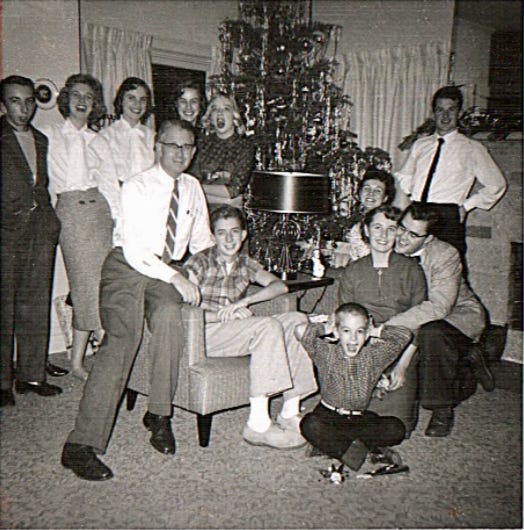
The book is a fun look back at my life in the 1950s, but it was also a reminder of why we love our life so much here in France. The pace, civility, humanity, and community, though not perfect, were so much like the life I had long ago in Wilmette.
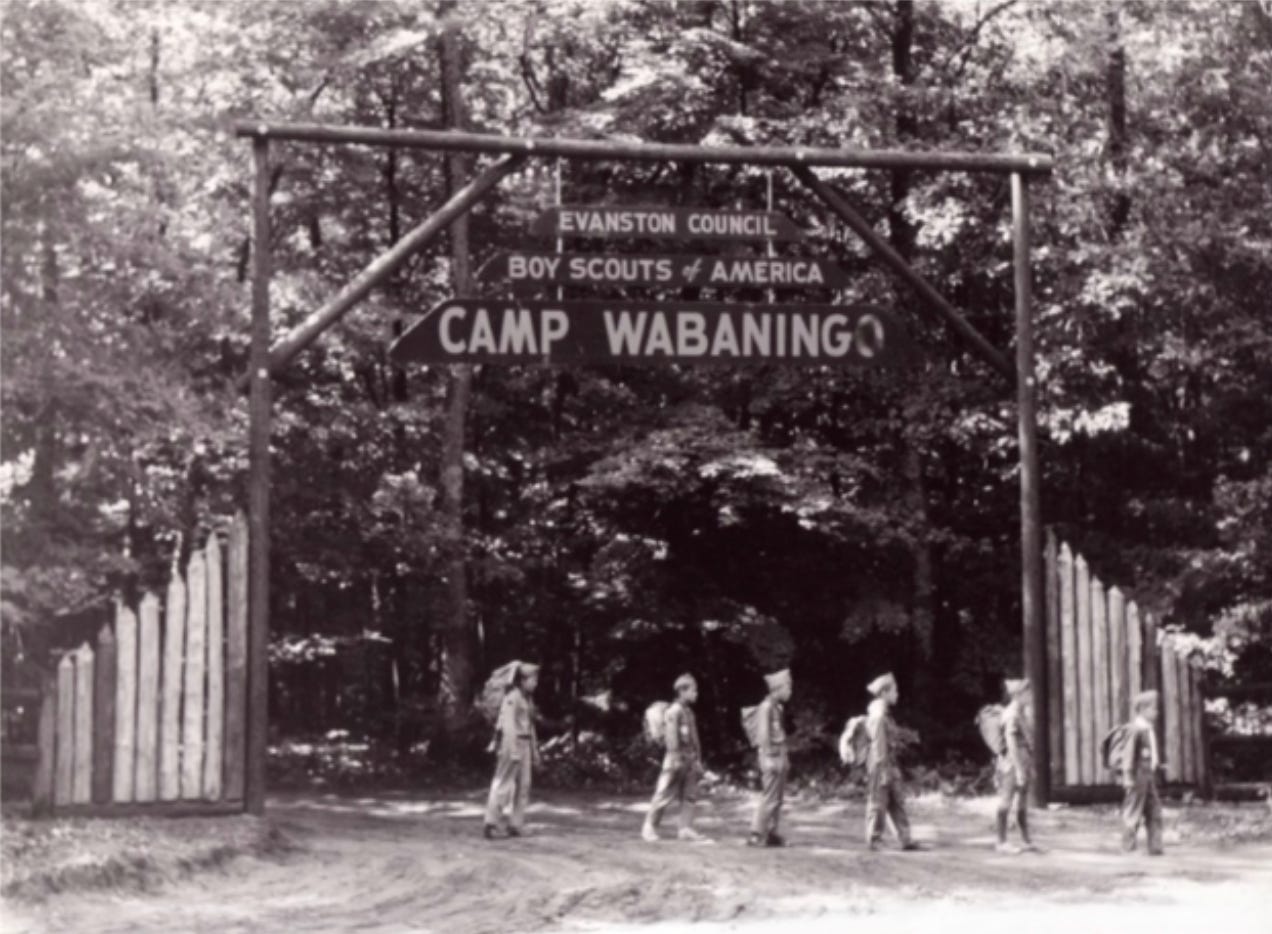
That feeling of being surrounded once again with the pure and simple enjoyments of life. When kids were taught to behave and respect others. When you had the time. When you said hello to the man who ran the local deli, or the checkout lady at the grocery store.
When Kim and I moved to the south of France nearly 20 years ago, we discovered that not only was it beautiful and sunny year-round, but there were still open fields filled with red poppies in May, and pastures filled with sheep in the early spring. Tiny roads led up to medieval villages where families and friends were busy, enjoying life. Grandparents, teens, and little kids, all together at a local dance or on market day. And yes, there were problems, even big box stores and fast-food outlets, and Black Friday sales in the shops.
But somehow it all worked.
France, at least where we lived, was working hard. Not just to make money but to also enjoy life.
You’d have to read a copy of my memoir yourself to get a better feel for the similarities we often see today in France to those days back in the 1950s. It’s available on Amazon.
I’d also be interested in what it is about France that keeps you here. What to you is so rewarding? Or so annoying! I look forward to your comments. I’ll read them all, pick what I think is the best one, and send that person a free copy of my new book.
Introducing Contributor, Mark Jespersen
Immerse yourself in all of Mark’s articles on his Contributor page.
Thank you for this article. You've solidified one of the reasons I'm moving to France that didn't even register to me until I read this. I have to get your book.
I grew up in the 60s. Simplicity, quality of experience and affordability for a single widow are my reasons. There is simply nothing that I can connect to in the u.s. anymore. Its a poisonous, greedy society that is suckung our climate dry in pursuit of meaningless growth. Im outta here.