

This week, I asked myself, “What would be a good topic around the holidays for a Substack?” And the answer came: toys!
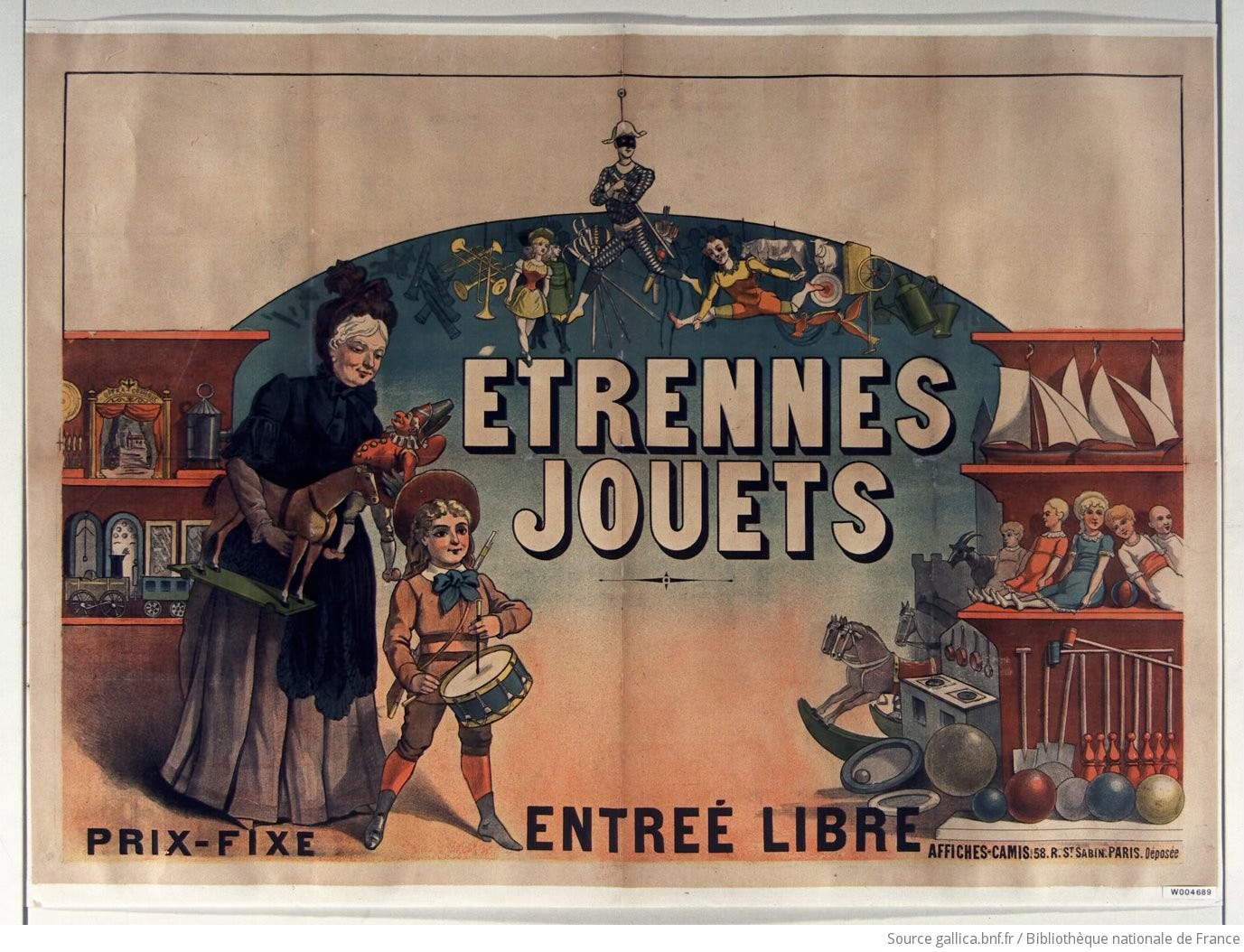
In doing my research on holiday toys in France, I encountered an old tradition that I hadn’t previously known about. If you look at the poster below from 1920, there’s the word jouets, which means ‘toys’ in French. But what is étrennes? At first, I thought it was the name of a toy store, but it’s much more interesting than that.
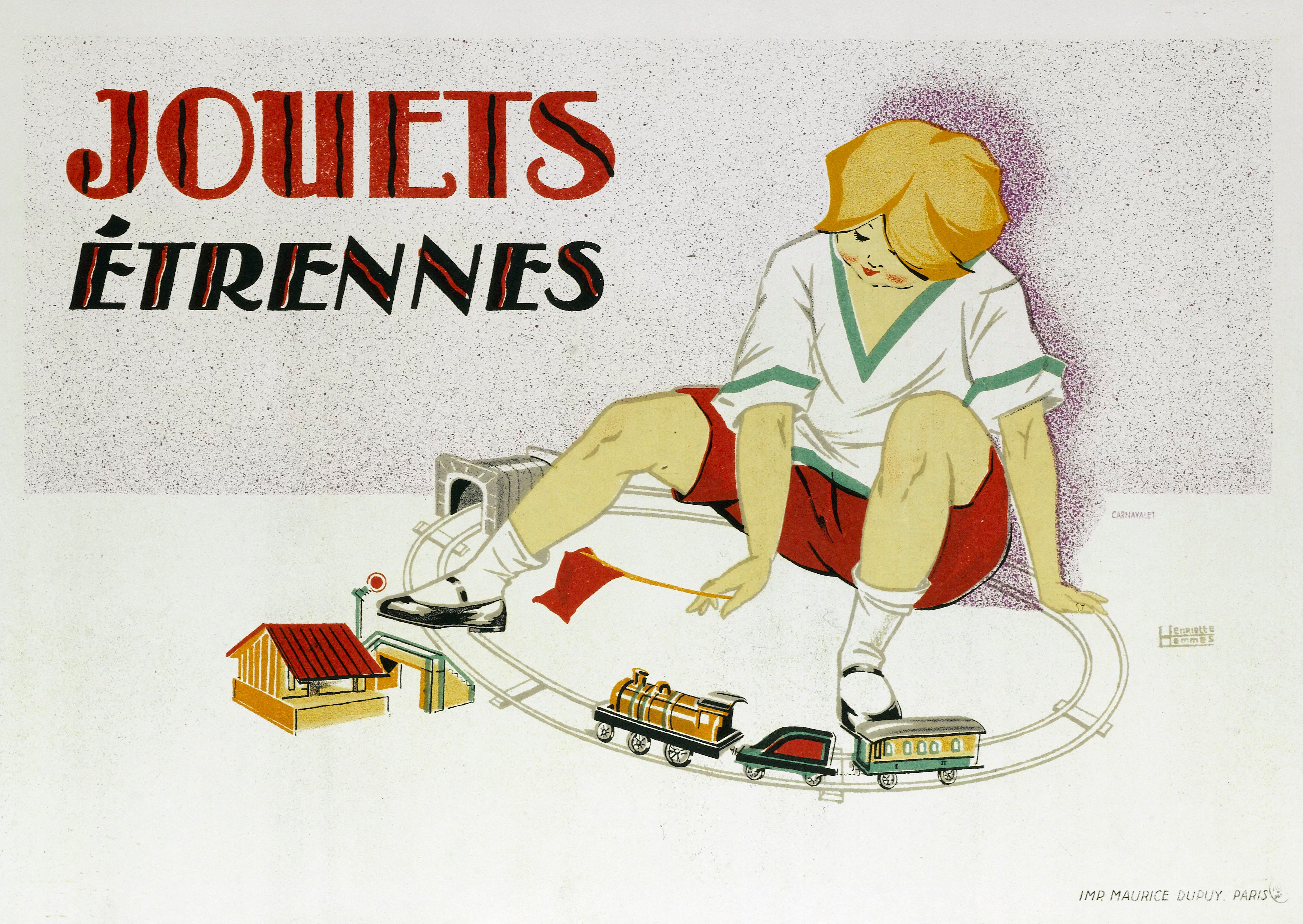
Étrennes are part of the French tradition of giving gifts on New Year’s Day (Jour de l’An). This was a popular thing during the 19th and early 20th centuries, and the gifts were a token of good luck for the year to come.
The age group that received étrennes the most was children, as evidenced by the countless advertising posters during that period. A typical étrenne would be a toy, like a soldier, doll, or game, or a costume to play dress-up with. (Incidentally, the toy soldiers were very popular around and after World War 1.)
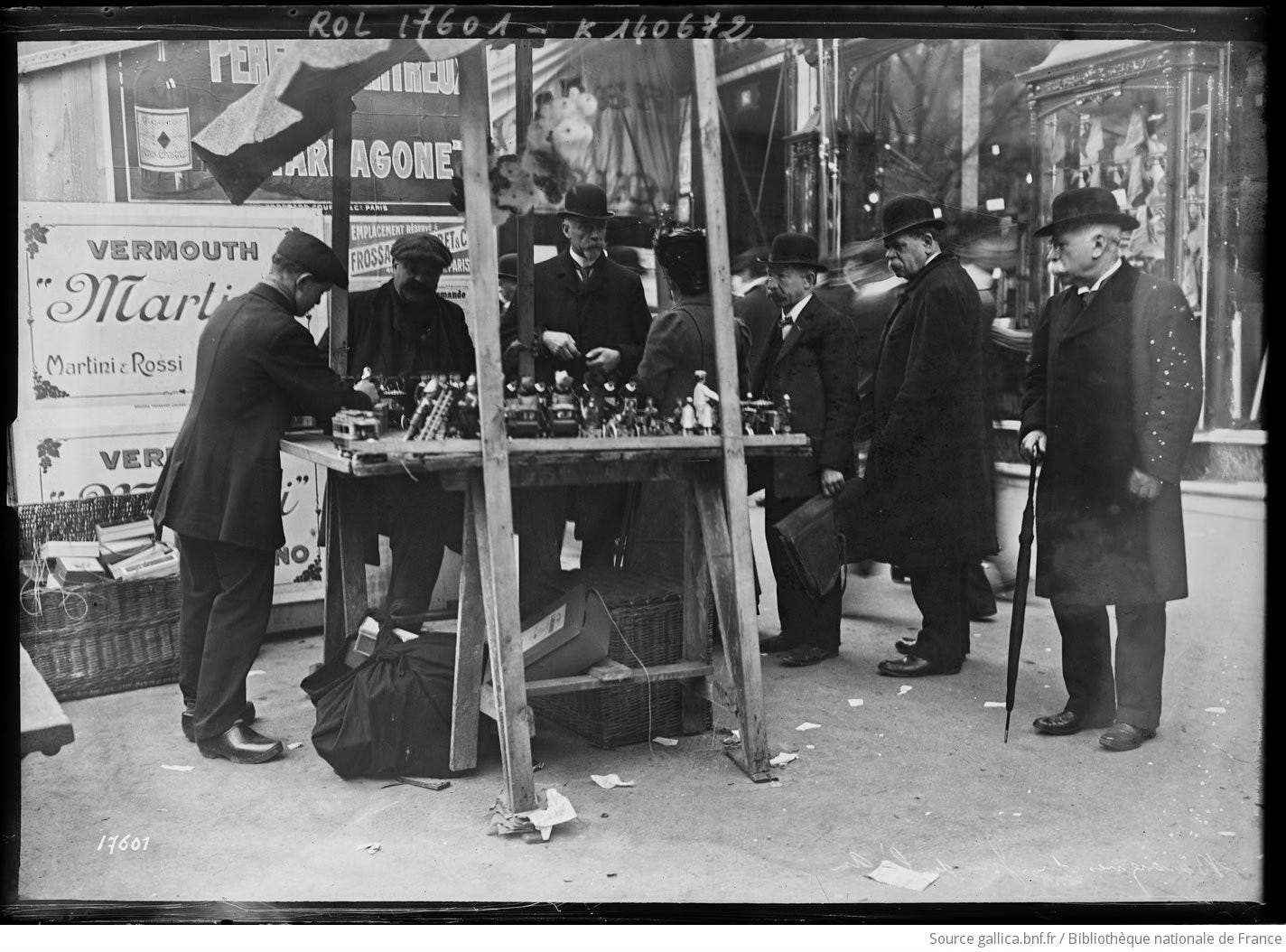
The department stores saw marketing potential
I’ve written before about Le Bon Marché, one of the first department stores in the world. It opened in 1852 and today is a feast for the eyes because it’s fancy and really fun to walk around (especially during the holidays).
It offered a unique experience to shoppers: a one-stop shop for finding different items, rather than going store to store. It was quite a success. Once that took off, it paved the way for other department stores to open in Paris. Later, these prosperous retail centers decided to expand their offerings to include items for children, like clothing and toys.
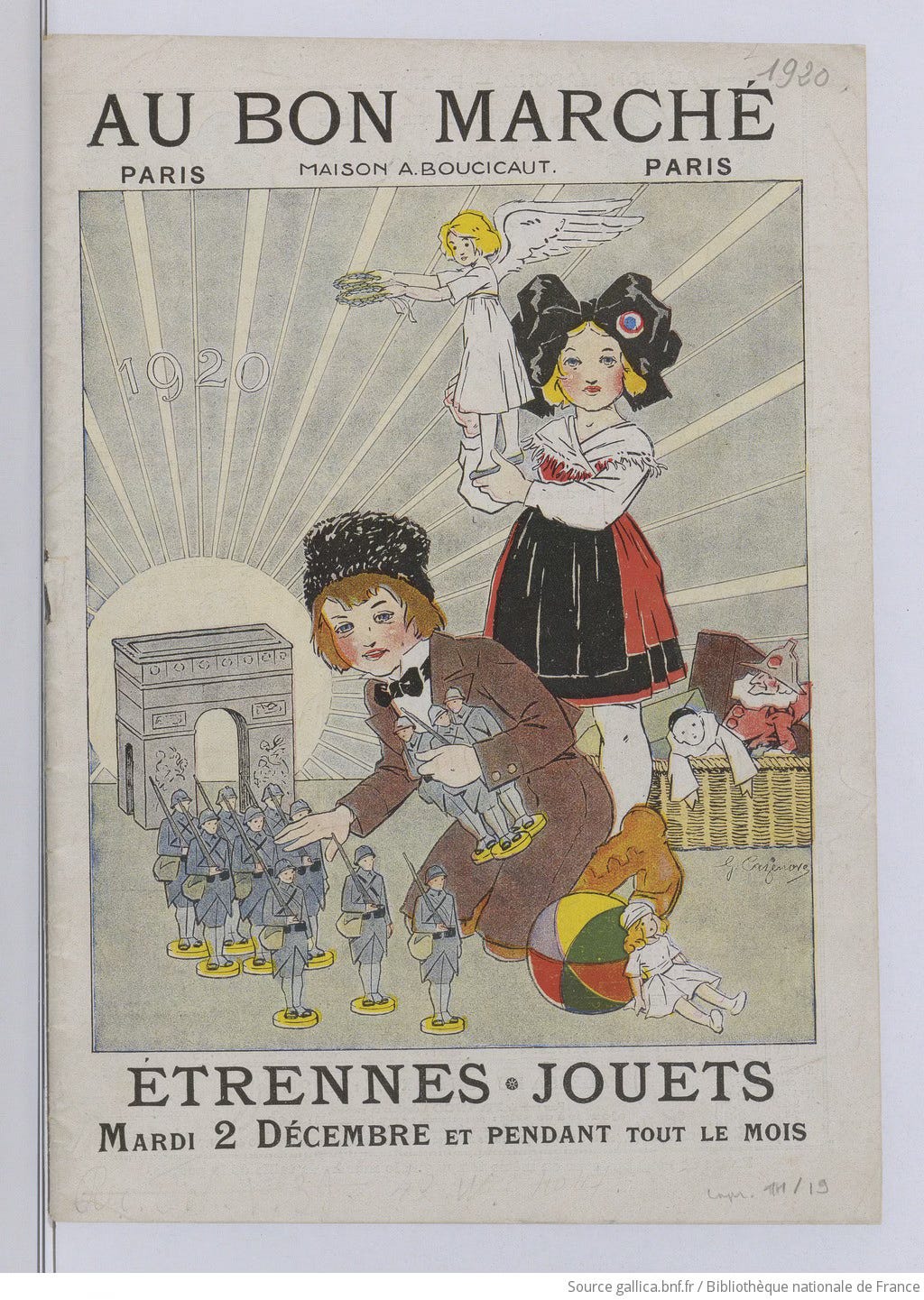
Here’s a great example, from a 1879-80 Christmas/étrennes catalogue from the Printemps department store and some of the items they were selling:
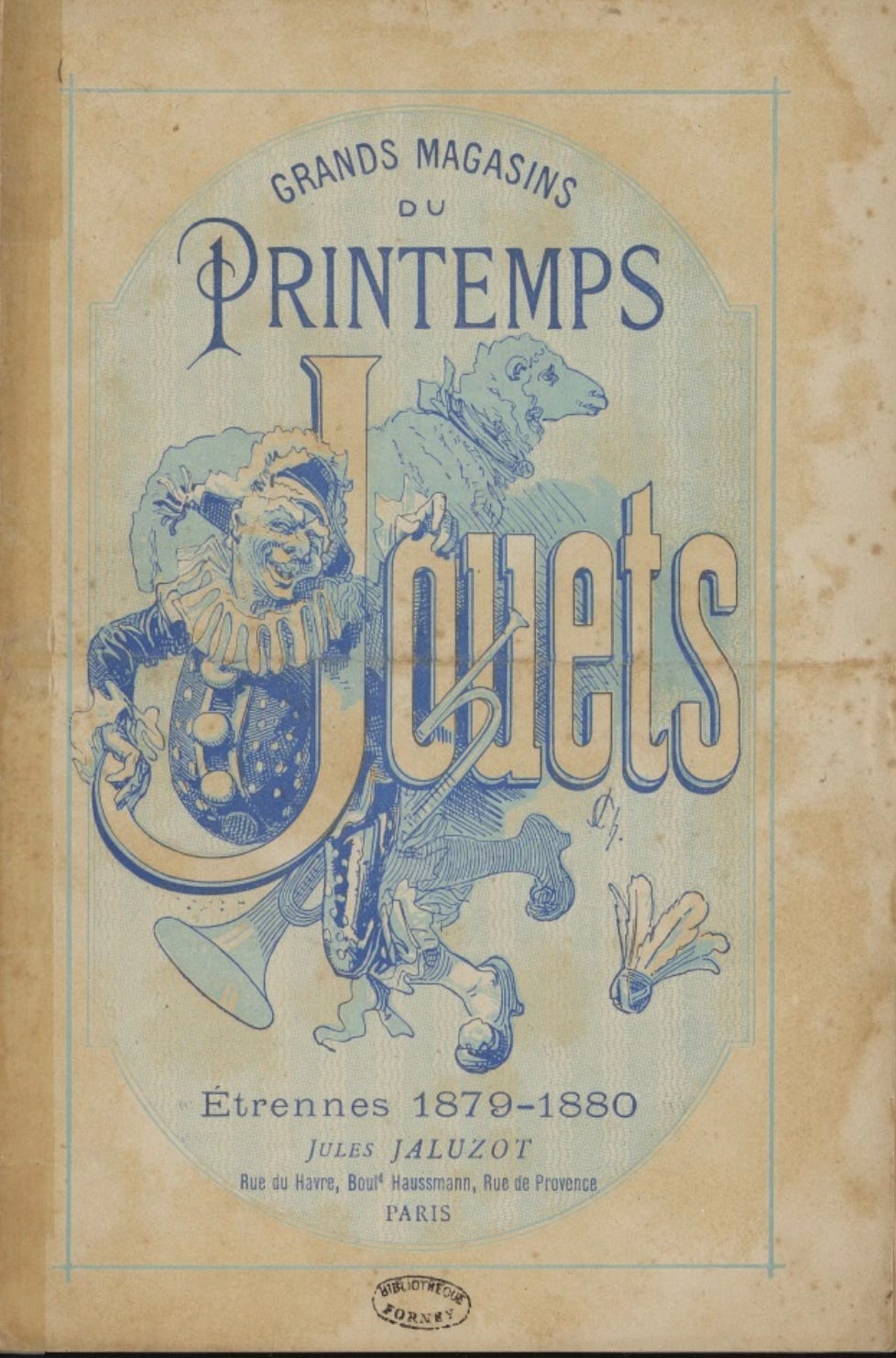
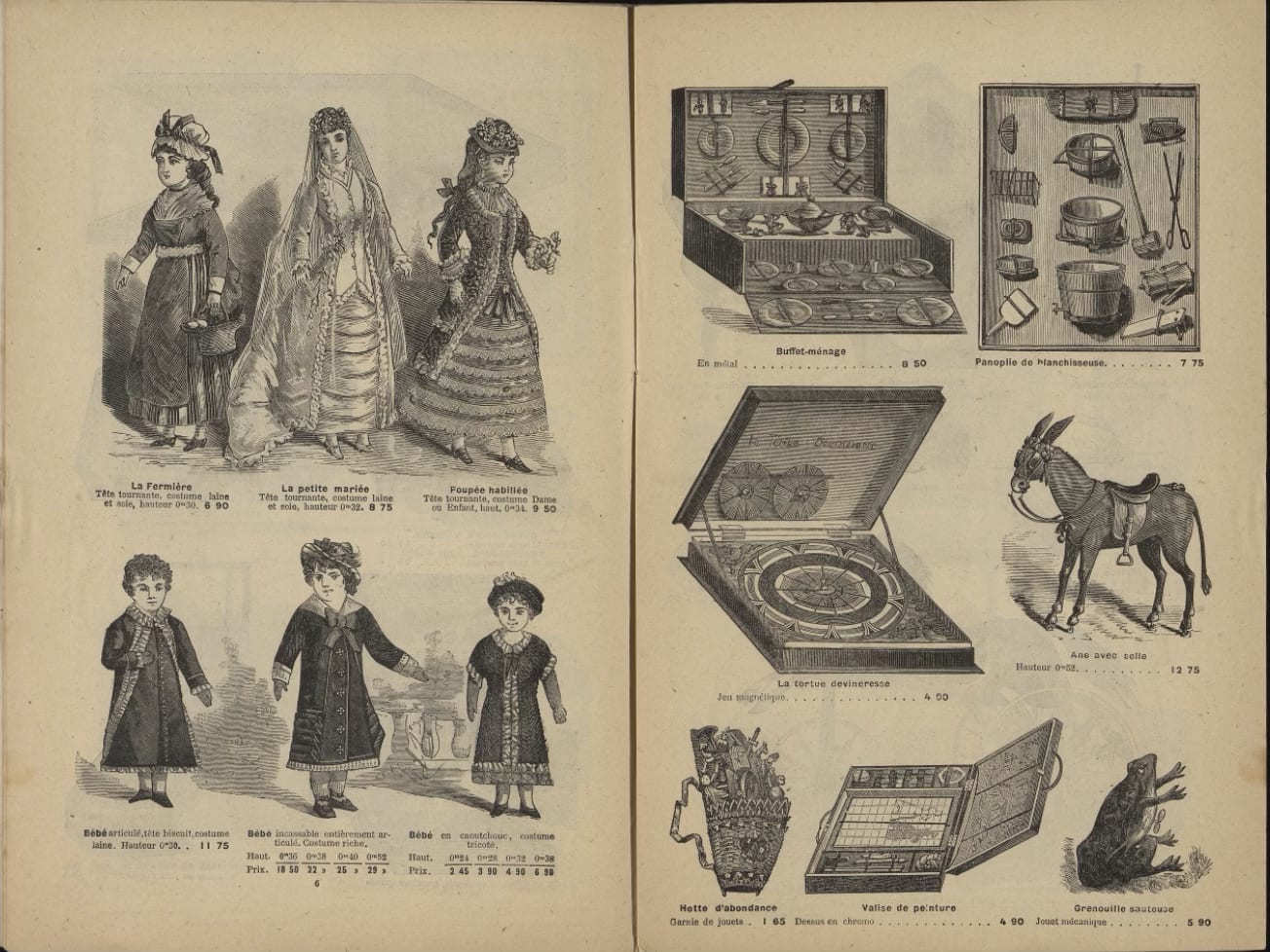
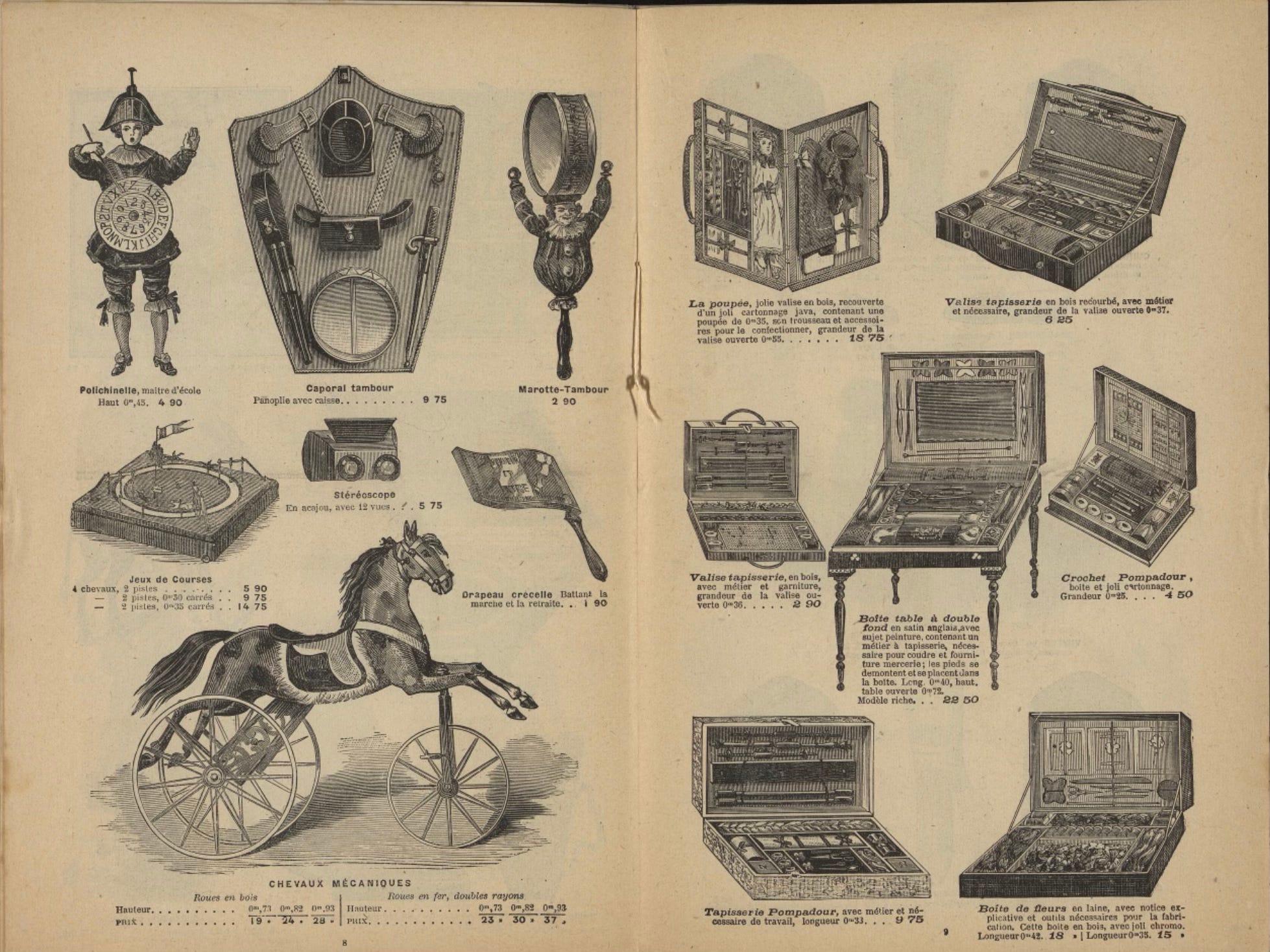
This is where the story gets interesting (for me, at least).
Stores that sold toys focused their advertising on ideas for étrennes. But what about Christmas? Well, even though Christmas was a major religious holiday in France, gift-giving was more customary on New Year’s Day during the 19th and 20th centuries. Eventually, a consumer culture started to take hold and Christmas took over as the main gift-giving holiday.
Adults received étrennes, too. For example, an employer would give a gift to an employee, or someone may give their postman a little token of appreciation.
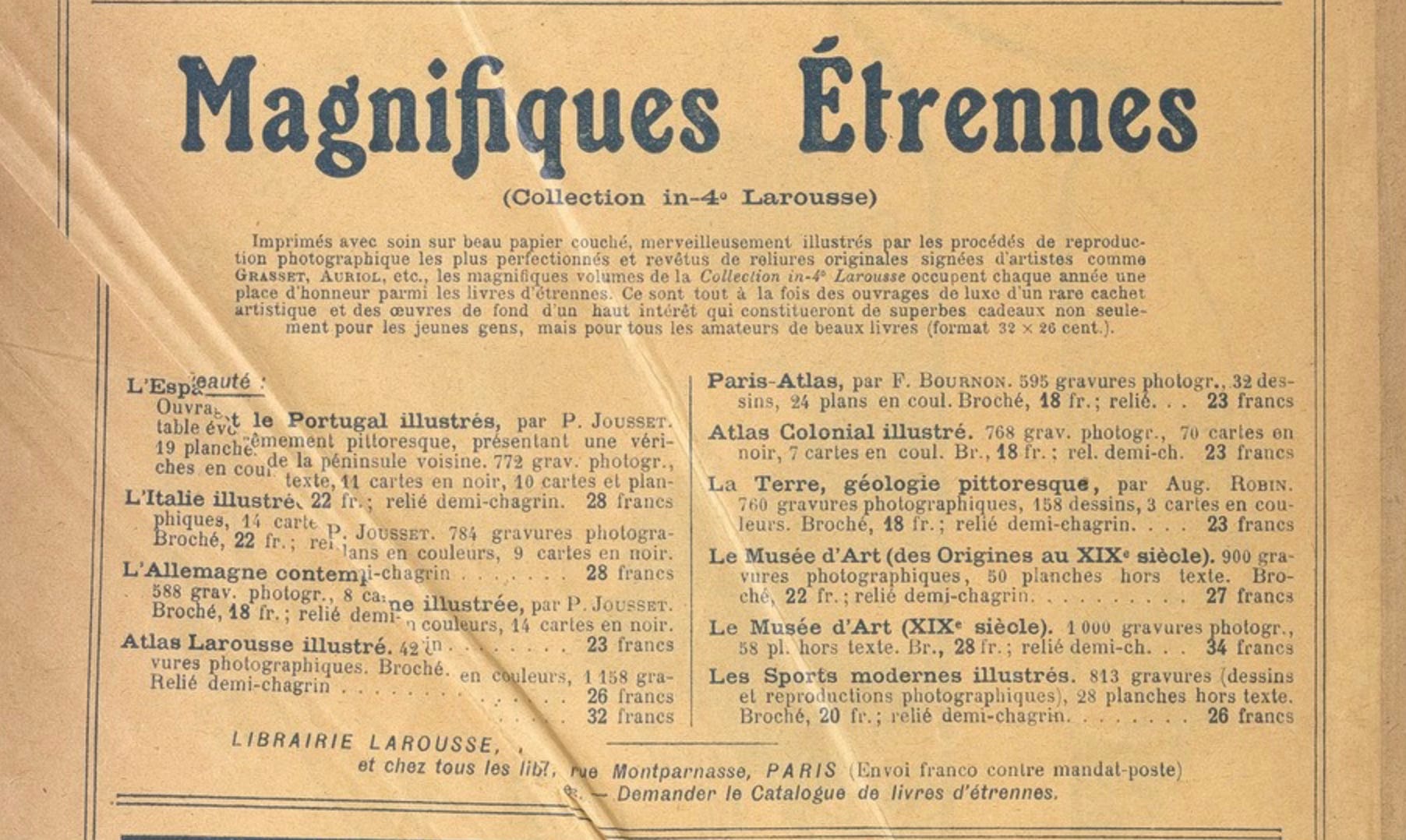
It seems the popularity of advertising étrennes inspired non-toymakers to think about marketing their goods this way. I came across a Larousse ‘Dictionary for Everyone’ published between 1907-1910 that recommended Larousse reference books as a good ètrenne for the New Year:
Of course, it’s all different today.
As we all know, Christmas today is the main day for gift-giving in France. Even so, a form of étrenne still exists today — in the form of cash gifts given out during the holidays (not necessarily on the New Year) to service workers like trash collectors, postal workers or the household help as a token of thanks.
Happy holidays, everyone!
Jenn
Sources:
Au Printemps catalogue of toys
Bibliothèque Nationale de France (BnF) write-up on historical gift-giving
BnF gallery of étrennes and toy posters
Introducing Contributor, Jenn Bragg
Immerse yourself in all of Jenn’s articles on her Contributor page.
Thanks for reading MyFrenchLife™ – MaVieFrançaise®! This post is public so feel free to share it.
As always, I love the historical images. I did know the word "étrennes", which I learned in high school -- so a long time ago! I also remember learning at the time that children in French were more likely to receive étrennes than Christmas presents, although I think the information my teacher taught us may not have been up to date. Oddly, I have rarely ever heard the word used in speaking, even back in the 90s. I'm sure families and regions have varying traditions, but around here it seems to be a time to give gifts in a professional context, for example to thank clients.