
Why Does France Feel So Paradoxical? (Spoiler: It’s Not Just France)
Every country contradicts itself. France philosophises about it, America ignores it, Australia jokes about it. Guess which approach makes you seem most hypocritical?


I need to admit something. I love paradoxes. Always have.
This particular one goes back quite a few years. I was on my way to a function, running a little late, not entirely sure of the address. I was walking with a younger French friend — we always covered a myriad of topics when we were together, and even rushing, the conversation never became superficial. That was simply how it was with her.
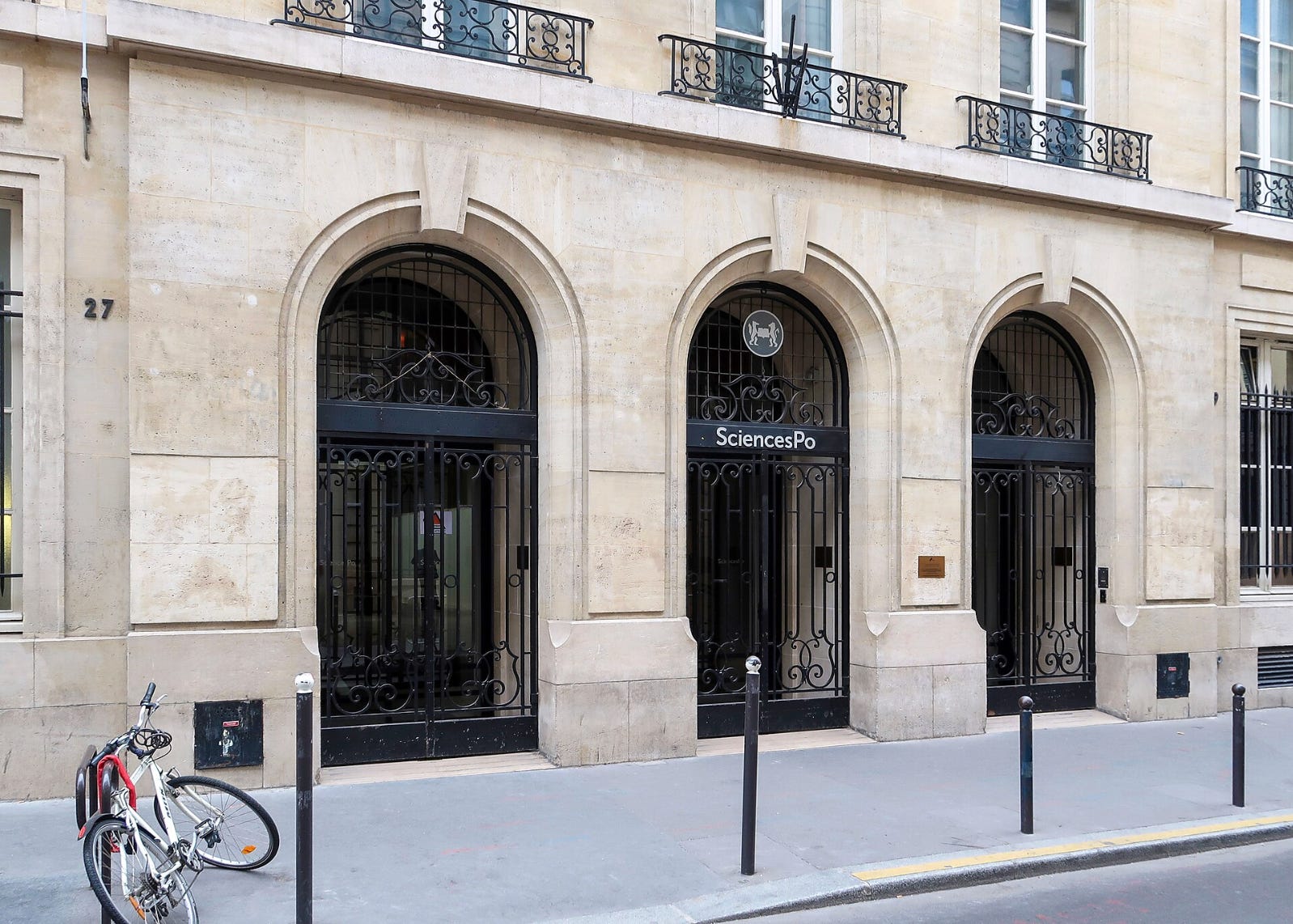
At that moment, she turned to me and explained, with complete sincerity, that France is the most egalitarian country in Europe. We were standing outside Sciences Po at the time, watching students who’d been groomed for elite education since they were twelve years old file past in their tastefully expensive casual wear.
“Everyone has the same chance here,” she said. “It’s pure meritocracy.”
I paused. A look of uncertainty crossed my face — I could feel it settling there.
She actually believed it. And that, I realised, is the thing about French paradoxes. They’re not cynical. They’re not deliberate hypocrisy. The French genuinely don’t see the contradictions, or if they do, they’ve built such elegant intellectual frameworks around them that the contradictions become features, not bugs.
Living in France means constantly experiencing whiplash between what the country says about itself and what it actually does. But here’s what I’ve started to suspect: France isn’t more contradictory than other Western democracies. It’s just louder about its ideals, so the gap is more obvious.
Let me show you what I mean.
Égalité in the Land of Grandes Écoles

France sent its aristocrats to the guillotine in 1789, then spent the next two centuries perfecting a new class system based on exam results.
The grandes écoles [elite higher education institutions] — Sciences Po, ENA, Polytechnique — are supposed to represent the purest form of meritocracy. Talent, not birth, determines who gets in. Except that two-thirds of Grande École students come from very privileged backgrounds. And here’s the thing: differences in actual academic performance explain less than half of the inequality in access to these schools.
It’s not about being smarter.
It’s about knowing which prep classes to take, understanding the unwritten codes, and having parents who can guide you through the system. The prépa [preparatory class] track that funnels students into grandes écoles requires resources and cultural capital that working-class families simply don’t have.
France abolished inherited titles and created inherited exam strategies instead. Same result, better paperwork.
The Secular Republic’s Very Catholic Calendar
France takes laïcité [secularism], so seriously that it’s practically a religion itself. Laïcité is little understood and has always intrigued me. The state bans religious symbols in schools. Girls wearing hijabs spark national crises. The separation of church and state is sacred, inviolable, and foundational.
Right. So why are half the public holidays Catholic feast days?
Ascension Thursday. Assumption Day. All Saints Day. Christmas. Easter Monday. The secular republic shuts down for the Virgin Mary’s assumption into heaven but loses its mind over a teenage girl’s headscarf.
It gets better. The French state funds Catholic schools to the tune of hundreds of millions annually, provided they follow the national curriculum. Recent reports suggest the state owes these schools nearly €1 billion in funding. That’s taxpayer money going directly to religious institutions, which seems a bit rich for a country that banned the burkini.
The logic appears to be: Christianity is cultural heritage, everything else is religion. Which is certainly one way to interpret “secular.”
We’re only halfway through. The next paradox is the one that made me laugh out loud the first time I lived it — and the final argument is the one I think about more.
This piece is part of the French Paradox Series in the French Culture Deep-Dive Collection, exclusively for Annual Subscribers and Mighty Supporters.