

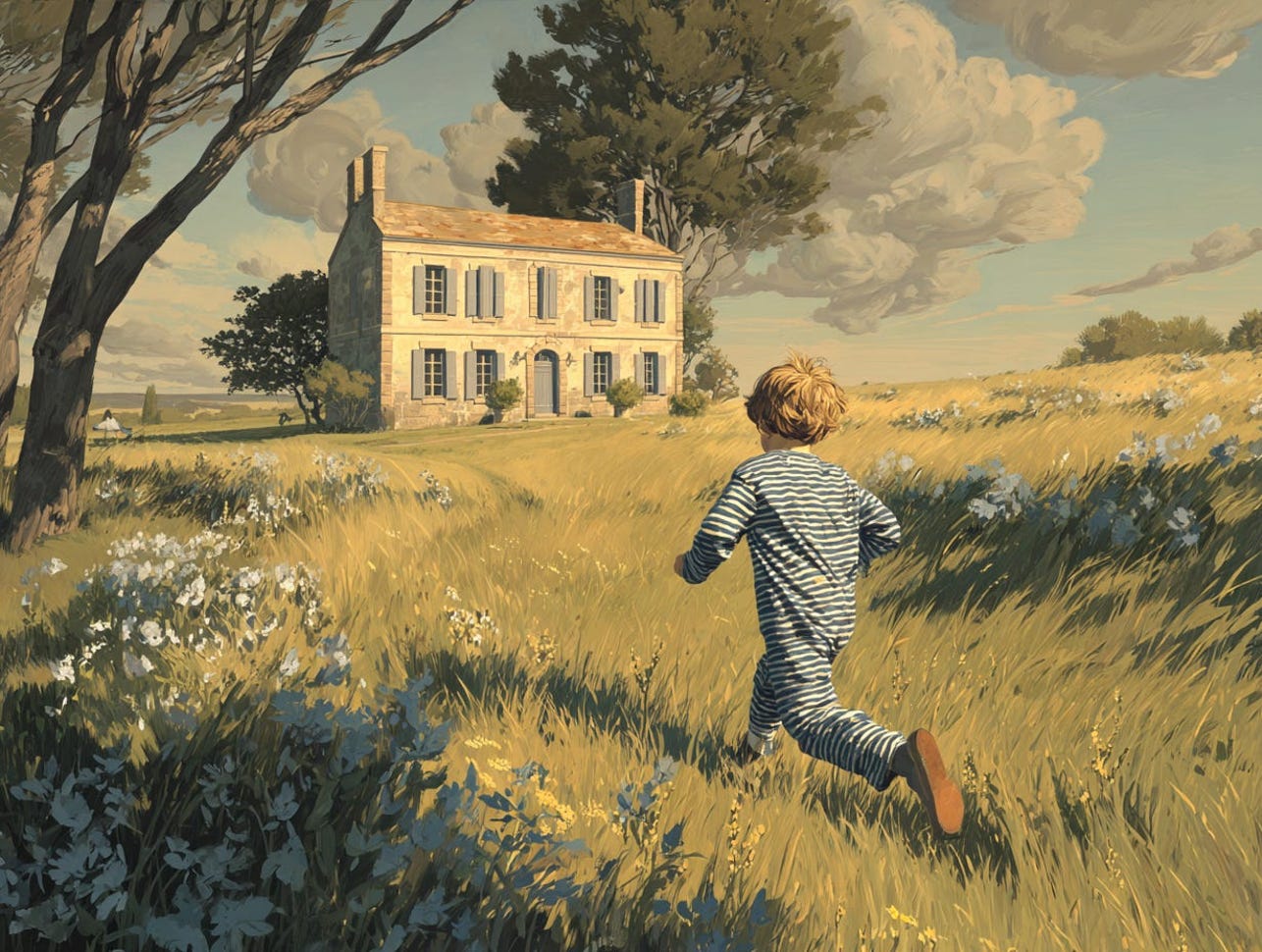
There was a time, not long ago, when my husband and I were in our ‘Very American Baby Era’ of sleep. For a couple of years, our evenings were run like a well-oiled machine, fuelled by our anxiety to get everything just right for our children. We had the whole sleep package: blackout curtains, white noise machines (set to mimic the whooshing sound of the womb), and baby monitors that would track every aspect of our children’s sleep, including their breathing and the temperature in their room.
So why set a 7 pm bedtime and adhere to a strict sleep schedule so religiously? I believed the books, the blogs of other sleep-deprived parents, plus my own peripheral observations. There were so many touting the growth of a child’s brain, and its potential for lost cognitive development with lost naps and late nights. They said children who go to bed late would be less than average human beings, suffering from mood and other disorders.
But then we moved to France, where sleep is…not quite so sacred.
A Country That Sleeps When It Feels Like It
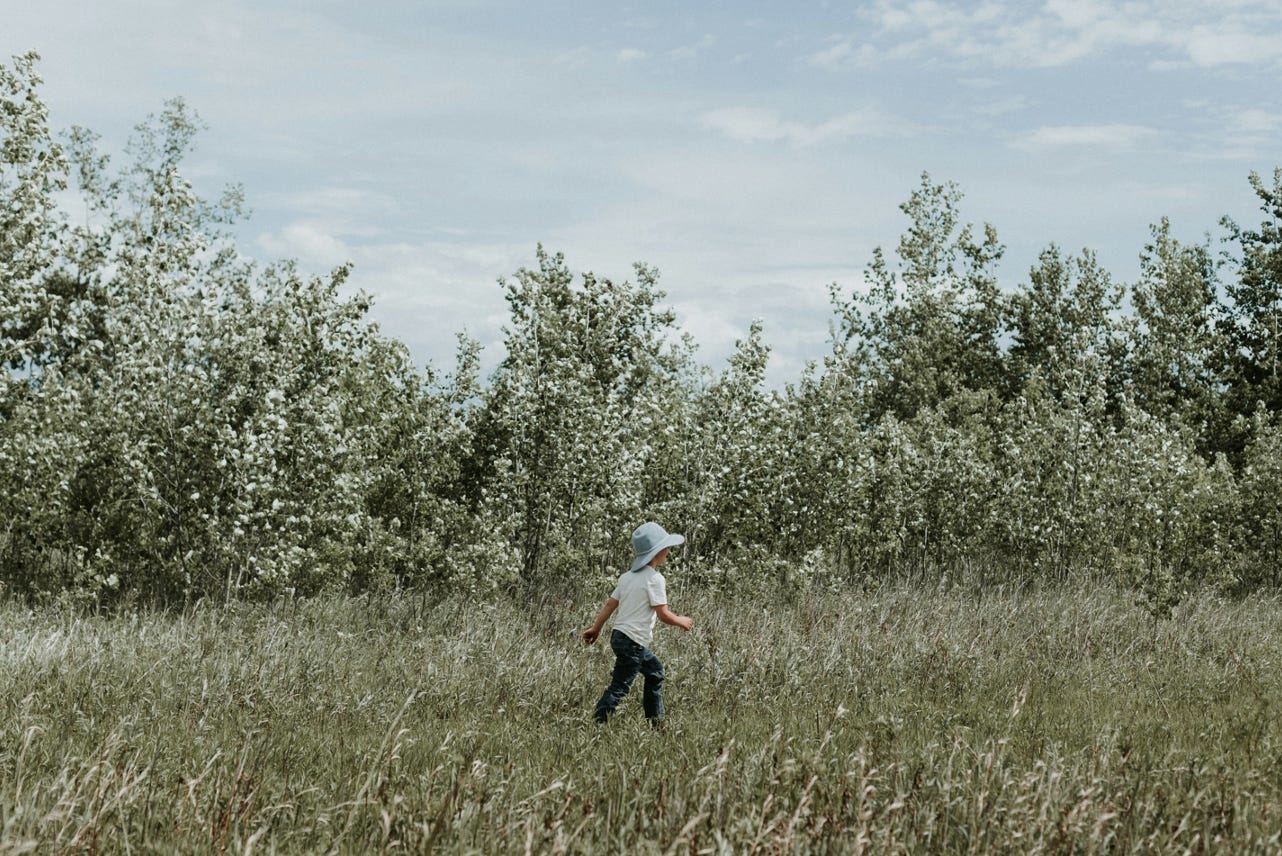
Bedtime in France is seasonal. When it gets dark at 4:30 pm in winter, we go to bed earlier. As the days get longer in the summer and it doesn’t get dark until after 9:30 pm, the kids are usually outside playing until nightfall. It would be considered depravity to have your kids inside for a bath, book, and lights out by 7:30 pm, when the rest of the village is still out for the evening, having dinner, enjoying life.
In the summer, dinner is typically around 7:30 or 8 pm. Yes, dinner starts at 8 pm, and yes, with the children. The children eat what the grownups eat. They sit and participate with the adults. And nobody’s bringing up their child’s circadian rhythm over a glass of rosé.
At first, this made my inner American twitch. How was this sustainable? Were all of these French children riddled with low IQs and the aforementioned mood disorders? Were they all underperforming students who would inevitably turn into unhappy adults? But no. As it turns out, it was quite the opposite.
These children were happy and bright and just genuinely lovely, as were the adults, and watching this, my brain slowly started rewiring itself.
What Happens When a Kindergarten Play Starts at 8pm
My next observation came when I saw the announcement of the date and time for the school performance: 20h00 it read. I was confused - surely this was a typo? Surely they actually meant 18h00? Surely they didn’t expect to start a school performance (for primary school-aged children) at 8 pm, which would inevitably end sometime around 10 pm? But no, that was indeed when the performances would be starting, and I couldn’t help but picture a large group of overtired, cranky kids, rubbing their eyes mid-song and stifling yawns from curtain up to curtain call.
It couldn’t have been more different.
What I saw that night was joyful, happy kids performing under the stars. They were proud to show off their talents in front of a crowded room full of applauding fans. It was, as it turned out, quite magical.
Sleep Still Matters, But So Does Sanity
Yes, we of course still believe in sleep, in rest, in routine. In getting kids to bed at a reasonable hour after a long day, or on school nights. But no longer as if our lives depend on it. And not as if a late bedtime is a moral failing on the part of the parent. We know that the stress of it all can do far more harm than a few lost minutes of sleep.
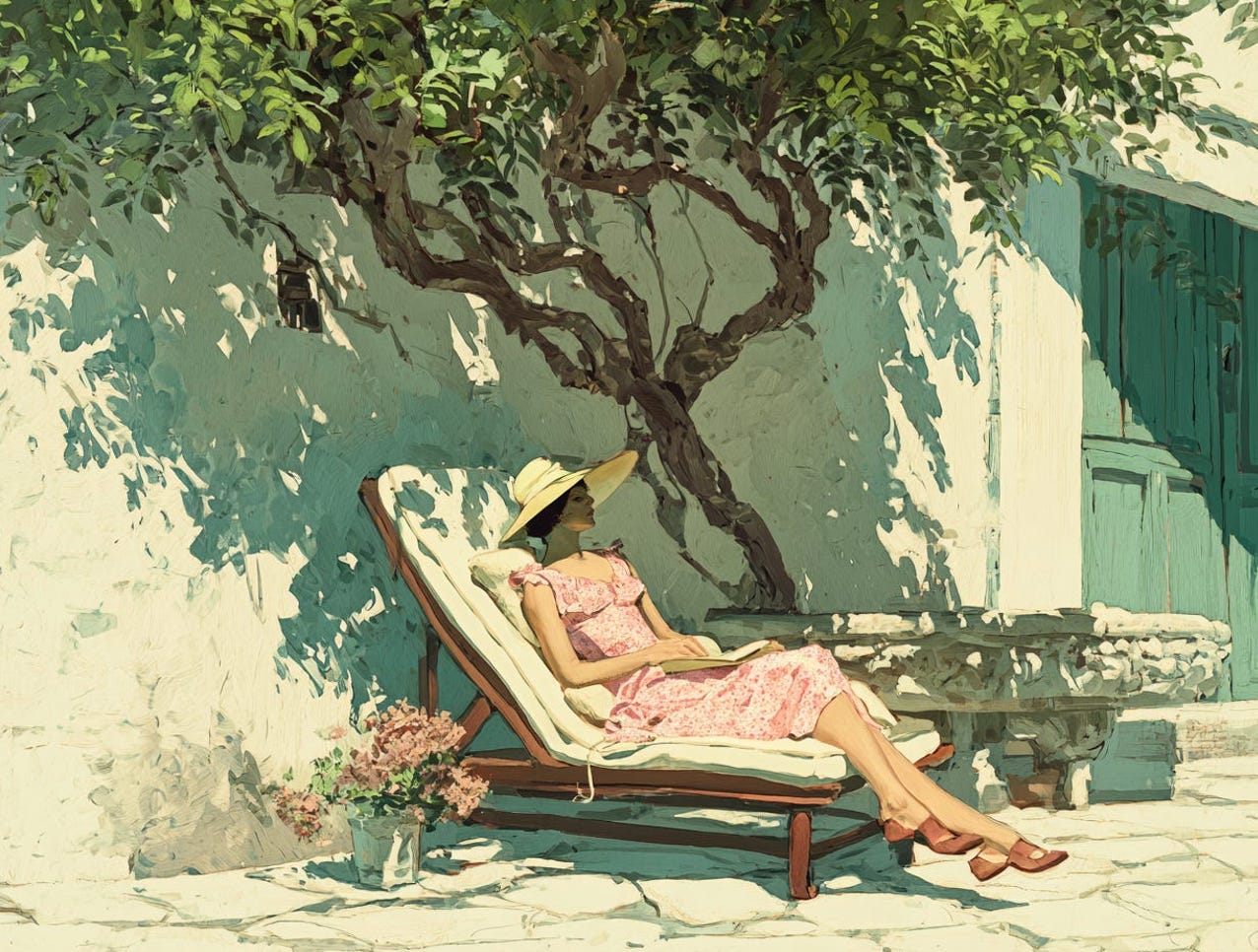
Sleep in France is socially and culturally acceptable and expected. It’s distributed throughout the day - shopkeepers close in the afternoon for la pause (usually an afternoon nap), August is one long month of rest, and children are given time to rest at school, even the older kids, sometimes with pillows and soft music.
The Real Gift: Letting Go of the Clock
France has taught us many things since moving here, like how to navigate French bureaucracy (with wine), the appropriate number of cheeses to serve at a dinner party (five), and that rushing rarely improves anything.
But I think one of the best things has been the more relaxed approach to bedtime, to rigid parenting methods in general. Bedtime is not a battleground anymore. It is instead a rhythm, or a guide. And while some nights are easier than others (and some children are more ready for sleep than others), other nights are still unwon negotiations with endless stalling tactics (‘can I have some more water?’) and existential questions. But we no longer see these late nights as failures. Instead, we’ve learned to zoom out of our house and our children and our own fatigue and see that it is all just a part of living, and living well.
Because bedtime is just one small part of a much bigger picture, a picture where connection matters more than control. Where slowing down matters more than locking in a schedule, and where the night, soft and glowing and sometimes a little too late, might just be where the best memories are made.
À bientôt,
Kamille
Introducing Contributor Kamille Longstreet
Visit her Contributor Page — Explore more of Kamille’s work→
Thanks for reading MyFrenchLife™ – MaVieFrançaise®! This fabulous article by Kamille Longstreet is public, and we encourage you to share it.
MyFrenchLife™ – MaVieFrançaise® is a reader-supported publication. To receive new posts and support my work, consider becoming a free or paid subscriber.