

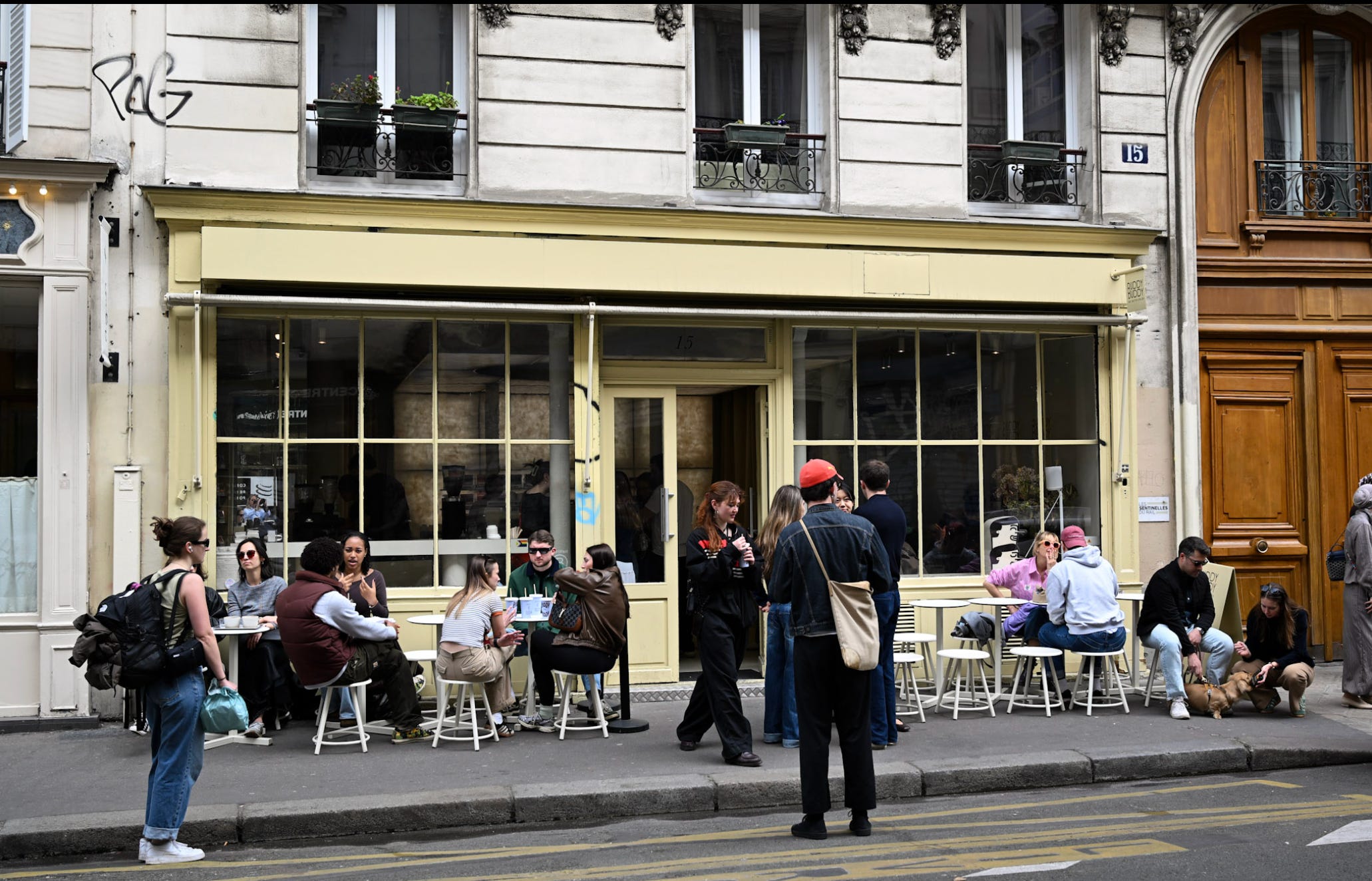
19 years ago, I visited Paris for the first time. A trip that was going to change my life – I just didn’t know it yet. The beauty swept me off my feet: the monuments, the parks, the architecture. But what made an even stronger impression were the terraces. I remember walking up the stairs from a metro station, seeing the lights and all the people talking, reading, and eating. That scene has stayed with me. Since then, I’ve spent hundreds of hours at Parisian terraces, and now, it feels like coming home.
Speaking of homes, Paris is a city of small apartments, many of them without balconies. The street is where life happens. Local authorities have long understood this, and consistently worked to accommodate it. A recent example is their decision to grant thousands of businesses a temporary permit for additional outdoor seating.
For the sixth time, April 1 marked one of the annual milestones in Paris: the return of the summer terraces. In addition to the roughly 13,000 permanent ones, you can now enjoy a glass or a meal at approximately 4,600 so-called terrasses éphémères, spread across the city.
They have been a hit from the start. At the same time, French drinking culture is shifting – a trend that may, over time, shape how Parisians gather and linger.
From test to tradition
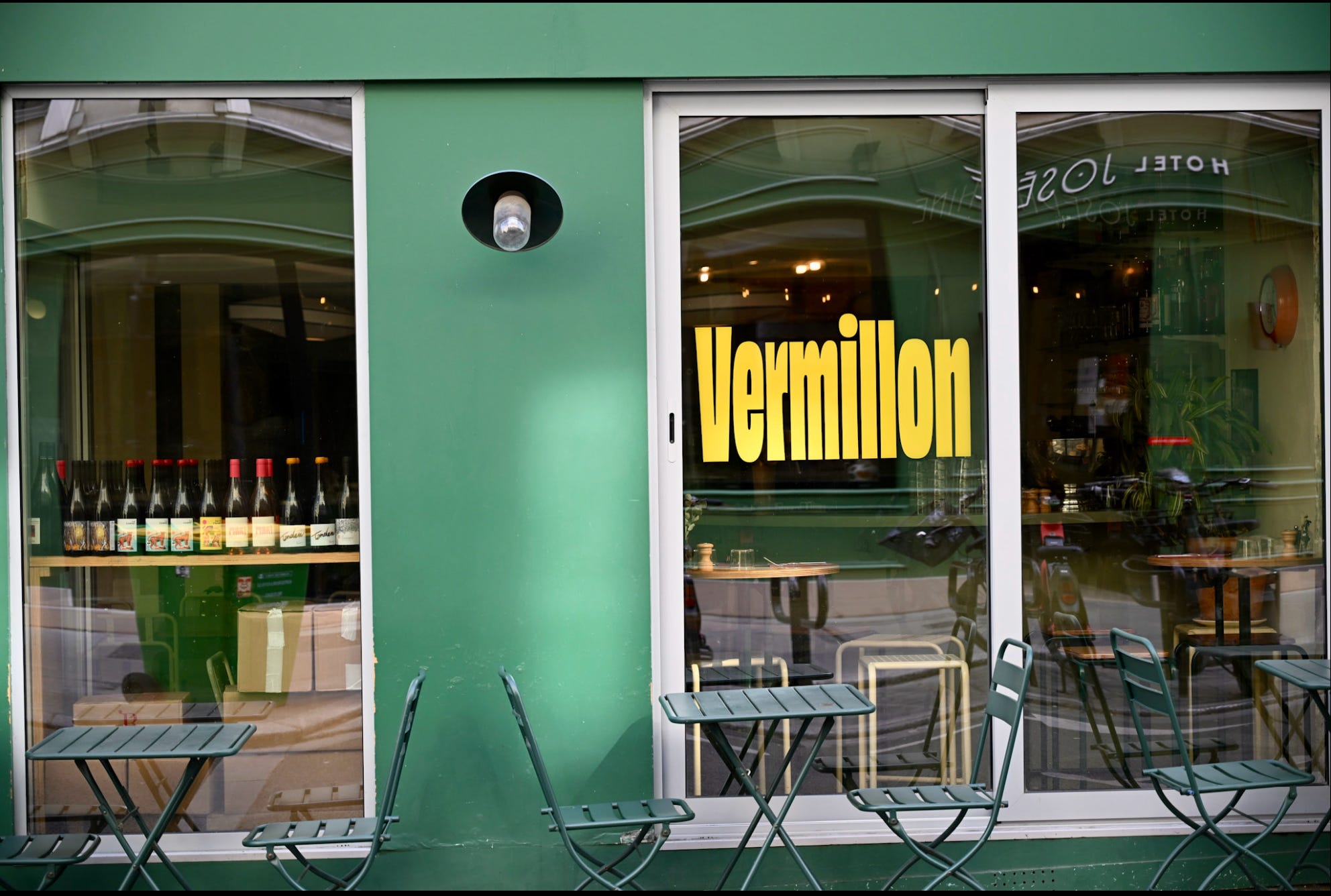
The preliminary terraces first appeared in 2020, when Paris’ former mayor, Anne Hidalgo, facing the economic fallout of the pandemic, issued emergency regulations allowing restaurants, cafés, and bars to expand into squares, sidewalks, and street parking spots.
The experiment worked so well that it was never fully reversed, even though there are regular complaints about the noise, as well as the reduced number of parking spaces.
Today, the summer terraces appear from April 1 through October 31 every year. Many of them are tiny, and only tables, chairs, and parasols are permitted. Some only have space for a couple of guests – which is quite charming, if you ask me.
The perfect fit for a summer terrace
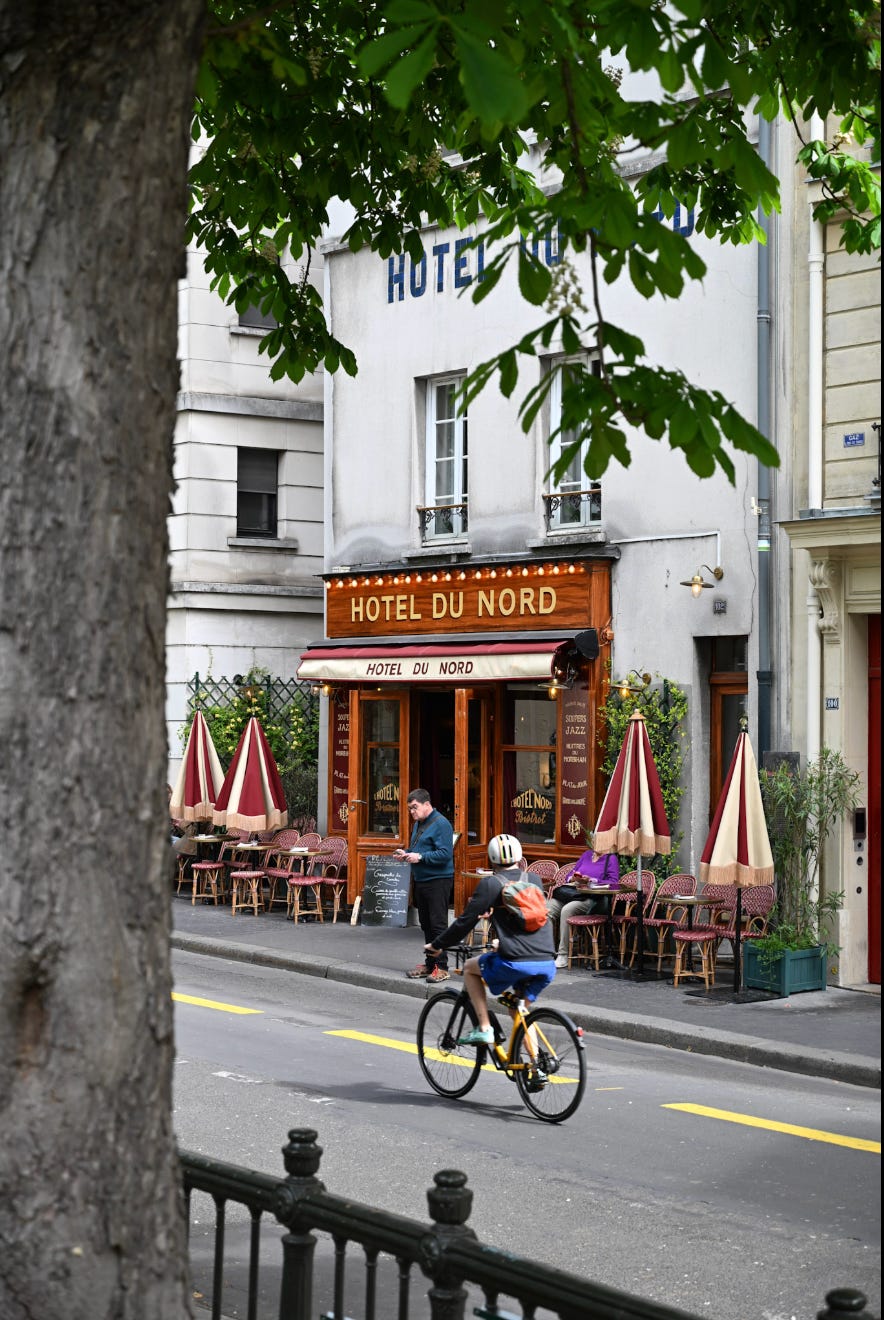
The wine bars, caves du vin, are especially grateful for the additional outdoor seating because few have permanent terraces. Most are simply too tiny to have one, and they’re often located in narrow streets where sidewalks and parking spots are the only options.
Paris has always had these bars, but for the past decade, there’s been a considerable increase in new establishments. A particular kind has emerged: smaller ones with a more personal touch. They’re often focused on natural and low-intervention wines and run by owners who want to be seen as innovative and environmentally conscious.
For example, you can find several of these wine bars near Canal Saint-Martin and around Oberkampf – where they fit perfectly into the trendy neighbourhood atmosphere.


When decline gives room for a different growth
The new generation of Parisian wine bars has changed parts of the city's drinking culture, pulling it towards something more intimate and experimental. Meanwhile, French drinking habits are undergoing a significant shift. Alcohol consumption has been declining for decades, but the pace has quickened. Younger French people, in particular, are drinking less and differently than their parents. According to The Economist (2024), 25% of the population between 18 and 34 years old do not drink at all.
At the Wine Paris trade fair in February 2026, producers of zero- and low-alcohol beverages set up alongside established négociants. In Paris, there are now around 30 specialty shops dedicated to alcohol-free alternatives – such as Le Paon Qui Boit, meaning the drinking peacock, which has one location on each side of the Seine. The first Parisian alcohol-free bar, Déjà Bu, opened in 2023 and specializes in 0% wines, beers, and spirits. Note that they close at 8 PM, as few guests stick around drinking for hours.
A new social contract
Time will tell how the so-called sober curiosity trend will affect Parisian restaurants, wine bars, and terrace culture in the future. For now, Parisians are crowding out onto the terraces for sunlight and apéro. The biggest change so far is the social contract around drinking: the assumption that a drink means something with alcohol is no longer valid. For the businesses, caught between a booming terrace culture and a generation reconsidering alcohol, it may turn out to be a creative and interesting next chapter.
You’ll never convince me to give up my wine, though.
Marie G.
Have you found your own corner of Paris terrace life — a favourite bar, a perfect apéro spot, a parking space turned into something worth lingering over? Tell me in the comments.
Introducing Contributor, Marie Gundersen:
Visit her Contributor Page — Explore more of Marie’s work
Image credits: all images copyright Marie Gundersen
Love this! And, I fell in love with Paris nearly 20 years ago too! So much has changed... 🤍
Paris (in summer) in a nutshell, perfect. :)