
Sequana: The Forgotten Goddess of the Seine
Returning to the Source in a City That Has Forgotten Her Name

Inspiration
Every river has a soul. Every soul remembers the source.
Before the Seine was lined with stone, she moved freely. Before Paris rose from her banks, there was a woman, a goddess, whose name is nearly lost to time.
Her name was Sequana.
And if you listen closely, beneath the sounds of traffic and tide, you can still hear her - and maybe even feel her too. I’ve been curious about this legend and the source of the Seine for many years; I’m sharing my findings with you in today’s post.
The Goddess Beneath the City
Long before Notre Dame was built, before Paris had kings or cathedrals, the Seine was sacred. And at the spring where the Seine is born, a goddess was once honored with offerings, prayers, and songs.
Her name, Sequana, is almost a whisper now.
But for centuries, she was worshipped as the guardian of the river’s source, a goddess of healing, flow, and feminine grace.
Her sanctuary, Fontes Sequanae, in what is now Burgundy, was a place of pilgrimage. Pilgrims came seeking cures and left votive offerings: small statues of eyes, limbs, lungs, and breasts, tokens of what they hoped she would heal.
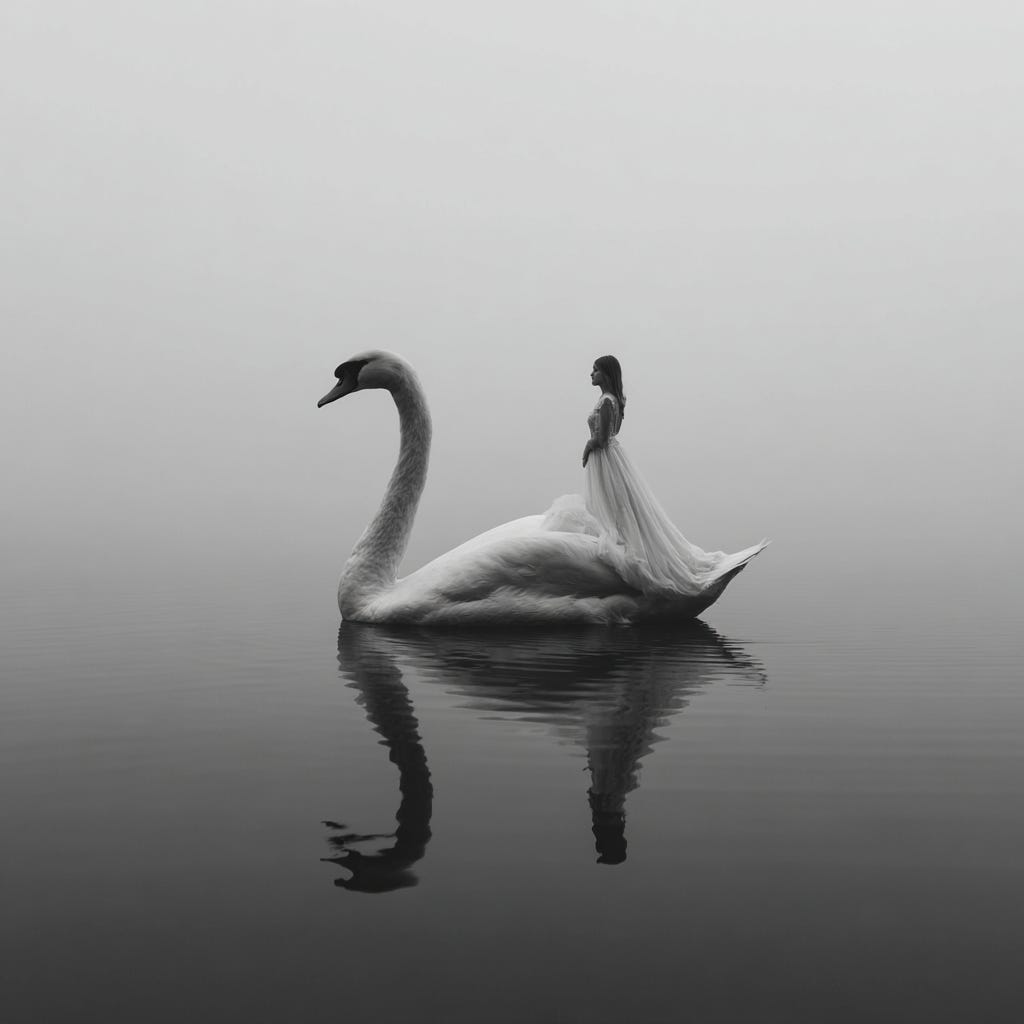
Sequana’s presence was embodied in a bronze statue discovered there: a woman standing in a boat shaped like a swan or duck, the vessel of a soul-guide, gently gliding across the liminal waters.
The Hidden Legend
There is no surviving Celtic myth to tell us who she was, no epic tale like those of Brigid or Isis. But in the silence of that absence, something softer emerges: Sequana is a goddess we must remember, not read about.
A deity of felt presence, not fixed mythology.
What we know:
She reigned at the source of the Seine.
Her waters were healing, her spring sacred.
People crossed long distances to pray, bathe, and be made whole.
She was called on in illness, but also in transition.
As a water goddess, she likely ruled birth and death, dreams and desire, all the thresholds where water flows between worlds.
The River Remembers
Today, the Seine is tamed. It no longer floods as it once did (well, beyond the stone banks that is); it no longer meanders wild. Its edges are dressed in stone, shaped by empire, cleaned for postcards.
And yet… she flows.
She flows beneath the Pont Neuf and beside the bookstalls.
She flows past the Île de la Cité, where sacred temples have come and gone.
She flows with the memory of Sequana, even if Paris has forgotten her name.
Modern Devotion
To walk the Seine with sacred awareness is to enter into an ancient prayer.
To gather water from her fountains is to carry a ritual born of rivers and time.
To speak Sequana’s name aloud is an invocation.
You can still honor her.
Leave a flower or a whisper at the river’s edge
Or toss rose petals in as offering
Collect sacred water and bless your altar
Trace the current with your fingers and ask: What am I ready to heal?
Sit on her banks, close your eyes and feel her presence
Create your own pilgrimage, a return to the source.
The Living Myth
“Once, there was a woman of the waters, cloaked in mist and crowned in silver light.
Her fingers touched the land and springs opened.
People came with broken bodies and heavy hearts.
She did not speak, but she flowed - cool, clear, and pure.
Her name was Sequana. And her gift was the return to Source.”
Sacred Paris is a reader-supported publication. To support this sacred work, please consider becoming a paid subscriber.
The Facts We Know
Sequana was a Celtic goddess worshipped in the 2nd century BCE through Roman times.
Her sanctuary was located at Fontes Sequanae, near Source Seine, the river’s origin in Burgundy.
Votive offerings included coins and bronze replicas of body parts to request healing.
A statue of her in a bird-headed boat was found in the sacred spring.
Though no written mythology survives, she is remembered through archaeology and modern devotion.
A Sacred Paris Practice
As part of my Sacred Waters walking ritual through Paris, we call on Sequana.
We walk not as tourists but as pilgrims, gathering sacred water, offering blessings, remembering the river’s soul.
She is with us.
She is the current beneath the concrete.
She is the wild feminine memory of Paris, still flowing.
Patricia
Introducing Contributor, Patricia Russo
Immerse yourself in all of Patricia’s articles on her Contributor page.
MyFrenchLife™ – MaVieFrançaise® is a reader-supported publication. To receive new posts and support my work, consider becoming a free or paid subscriber.